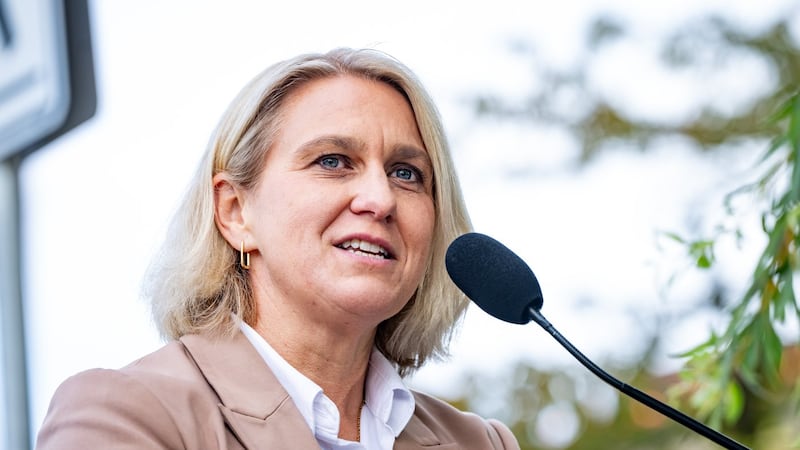
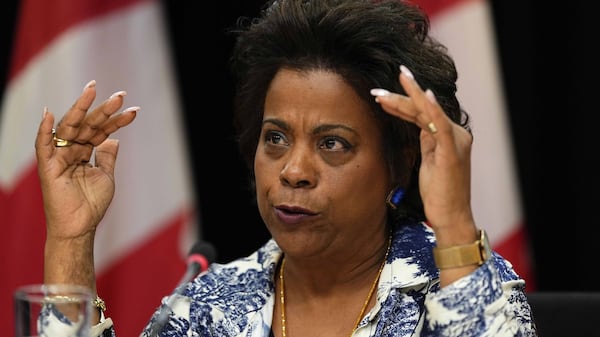
A new report is highlighting the barriers that Indigenous and racialized students are facing in post-secondary education. The Canadian Centre for Policy Alternatives, a progressive think tank, released a report Tuesday in partnership with Community Education Development Association Manitoba, an organization that helps students and teachers in Winnipeg’s inner city. The study followed 27 BIPOC (Black, Indigenous and People of Colour) students who graduated from high school between 2012 and 2021 for three years. The report found several major barriers for students in post-secondary environments: navigating complex systems, socioeconomic inequality, as well as intergenerational trauma/mental health and caregiver responsibilities. Janet Nowatzki, the co-author of the study, said the findings were not a surprise, noting the impacts of colonialism on students have been identified through the Truth and Reconciliation Commission and other organizations. She said one of the biggest things that would help students is increased funding. “We need to see a redistribution of wealth so that Indigenous and racialized youth can access post-secondary education,” Nowatzki said. “They need full funding supports. They need housing supports.” Institutional racism was also cited as a barrier for the people in the study for continuing their education. “Students felt alienated, like they had trouble making connections with other classmates,” Nowatzki said. “Some of them felt tokenized in their classes. They didn’t see a representation amongst faculty or within the curriculum.” The report is calling on universities to add more indigenous faculty members and staff and to “Indigenize” the curriculum. Nowatzki said some improvement has been occurring, but more needs to be done. “Some participants in the study did talk about finding safe spaces on campuses, Indigenous student groups or BIPOC student groups that provided a buffer to the rest of the post-secondary environment,” she said. “I think it’s slowly starting to happen. It just has a long way to go. We need to start seeing the results.” With files from CTV’s Will Reimer and Glenn Pismenny