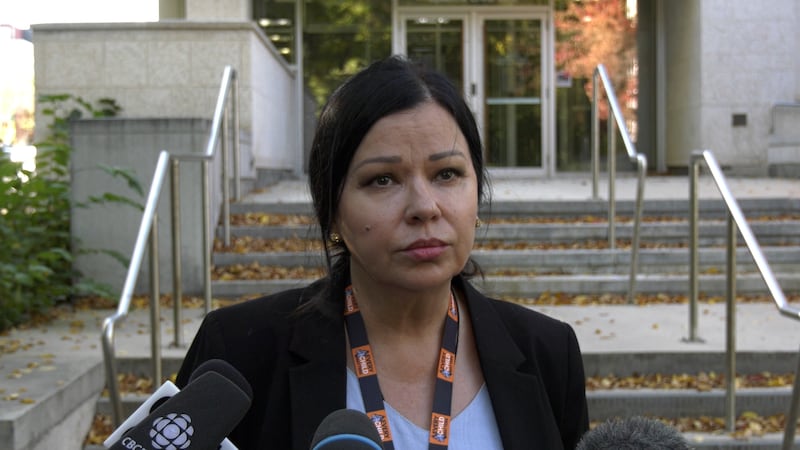
The federal government is set to consider legislation to bring about an Australian-style social media ban and a Windsor charity working with young people believes it’s high time for a serious conversation on the matter. On Wednesday, the Windsor-Essex-based Bulimia Anorexia Nervosa Association (BANA) issued a statement calling for policymakers to include healthcare professionals, educators, and families in the debate. “I think we all want our youth to be healthy and well functioning,” said Luciana Rosu-Sieza, the executive director of BANA. “I think [sic] we do it as a collective, whether it’s the cell phone ban, as well as this policy to sort of back up and maybe delay the usage of social media for those young youth — and parents will be informed.” In an interview with CTV News, Rosu-Sieza said 95 per cent of youth are using social media including 40 per cent of 8- to 12-year-olds. Rosu-Sieza said her concern lies in the increase in those seeking BANA services, but didn’t want to blame the entirety of that growing demand on the rise of social media. “I certainly think it’s a complex issue and I always say it’s the perfect storm,” said Rosu-Sieza. “But I would say that social media certainly is a factor in developing disordered eating, mental health concerns, anxiety, depression.” The challenges don’t end there, with doctors both in Britain and in Manitoba comparing social media use to the public health scourge presented by cigarettes and smoking, which has been a key target of healthcare policymakers for decades. As public policy and messaging evolve around the explosive growth and use of social media, Rosu-Sieza said that shift isn’t going unnoticed by youth. “I think they feel it, but I also think there’s an extraordinary pressure to feel like you’re on continuously,” said Rosu-Sieza. “It really creates a really difficult time to actually concentrate, right? Because it’s a continuous immediate gratification and so, having some of these discussions around — are we feeling like this is taking over a life?” Rosu-Sieza provided another statistic to highlight the love-hate relationship people seem to have with social media which showed 45 per cent of youth acknowledged social media overuse while 48 per cent said they didn’t feel good after using social media. The BANA head said a potential social media ban for those 16 years old and under, like in Australia, is an opportune time to talk about the impact the technology has on everyday life. She stressed its vital adults are informed on the impacts of social media use, noting many complain about “doomscrolling” for hours at a time themselves. Ottawa’s newly proposed online safety legislation includes age-restricted access for social media platforms with a proposed carveout for those that meet certain criteria.