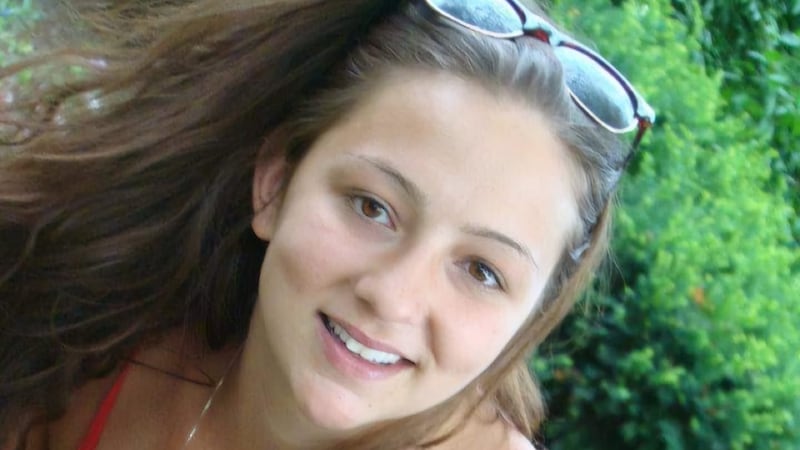
An inquest continues into the death of Joseph Gratton, 31, who died of a fentanyl overdose in October 2019 while incarcerated. The inquest jury learned Monday Gratton and his cellmate snorted the drug in their cell. Both were found unresponsive by corrections officers. They took turns performing CPR on Gratton and administered three doses of naloxone – a medication that reverses the effects of an overdose. Gratton was pronounced dead in hospital. His cellmate survived. Inmate requested suboxone The jury learned Tuesday Gratton was transferred from Niagara to SWDC on Sept. 29, 2019. He requested a urine test on Oct. 5 and then again two days later. “Requesting a urine test for heroin in my system. I need to get suboxone. I’m withdrawing,” Gratton wrote on a healthcare request form. “Been asking for almost a week since I got shipped back.” Healthcare staff ordered the test on Oct. 8, but he wasn’t seen by the jails registered nurse practioner until Oct. 21. Julie Macvoy walked the jury through her notes of that appointment Tuesday. She noted Gratton’s urine test came back negative for opiates, he did not exhibit any physical signs of withdrawal, and his chart does not include a diagnosis of opiate use disorder. However, Gratton requested suboxone; a drug that “reduces cravings and minimizes withdrawal” symptoms, according to Macvoy. Gratton, she noted, admitted to using “contraband” while at the Niagara Detention Centre but didn’t admit to any usage at SWDC. It was Gratton’s history, she told the jury, that ultimately lead her to deem the inmate “ineligible” for a suboxone prescription. “Mr. Gratton had a significant history of diverting medication,” she told the jury. “He was known to do that.” The jury learned Gratton had a prescription for Wellbutrin – a depression medication – which Macvoy says the inmate had diverted the medication. Macvoy explained many inmates had “creative” ways of taking medications but not swallowing them. She believed Gratton might have “hoarded” the medication as a “currency” in the jail. “Prescribing (suboxone) without a diagnosis comes with medical risks as well,” Macvoy said. Re-assessment “frowned upon” Macvoy testified in direct examination that it was “frowned upon” to do full re-assessment or drug screen on inmates after their initial admission is completed. “We don’t do that in corrections,” Macvoy recalls being told when she worked in the jail, but she couldn’t say who made the comment. Macvoy said diagnosis of any conditions or issues are only made at admission and not after transfer between facilities. Craig Allen, a lawyer for Gratton’s mother Lori Clifford, asked Macvoy why she didn’t call the Niagara facility to inquire about the previous drug use, why she didn’t take into account reported drug use to a jail psychologist and why she felt suboxone could be “diverted” when its typically administered in front of a jail guard. “’I believed my assessment was sound enough,” she replied. “I could not make a diagnosis of opiate use disorder.” Allen also had Macvoy agree the urinalysis was “too late” to indicate any “recent drug use”. Gratton autopsy In the postmortem exam done on Gratton one day after he died, the toxicology report indicated he died from “fentanyl toxicity’. The examiner also found a baggie of drugs hidden in his rectum. Gratton also had naloxone in his bloodstream. The jury has learned corrections officers administered the spray three times to stop the drug overdose. “I can’t be certain suboxone would have changed the outcome,” Macvoy concluded.