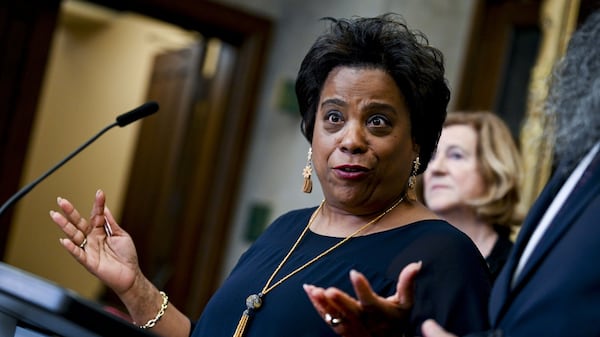
Canada’s premiers met Tuesday with Prime Minister Mark Carney to talk tariffs ahead of President Donald Trump’s August 1 deadline, alongside efforts to unite Canada in the face of those threats. Carney described the premiers as “a group focused on building our country, building positively, building here at home, building one Canadian economy.” B.C. and Ontario signed one of various deals to remove inter-provincial trade barriers - their memorandum of understanding relating to alcohol. Yet pipeline politics were less pleasant, and kept re-emerging as a point of contention. Alberta’s Danielle Smith was leading the charge by several provinces, pushing for a new pipeline through B.C. and the removal of tanker bans “Our project that we want on the national project list is a bitumen pipeline to the B.C. coast,” Smith told reporters Tuesday. In response, Premier David Eby again expressed resistance to the idea. “There is no project, there is no proponent, there is no private sector money involved at all,” said Eby. Coastal B.C. First Nations were more adamant in their opposition, sending an open letter to Carney. “The lifting of the oil tanker ban is not something that we can support, nor will we ever provide our consent to,” Chief Marilyn Slett, with the Heiltsuk Tribal Council, told CTV News on Tuesday. The prime minister didn’t directly address the issue of pipelines, but said approved nation building projects would inevitably involve multiple regions and First Nations support. “It has to benefit multiple stakeholders, multiple provinces, advance our interests, advance the interests of Indigenous people,” he said. As for U.S. trade negotiations there were few details Tuesday, and a range of views on whether Canada should launch counter tariffs if American ones go ahead next month. Premier Ford advocated for dollar for dollar retaliatory tariffs, if Trump’s threatened tariffs come into effect. “He’ll roll over us like a cement roller if you show an ounce of weakness,” said Ford. Carney did indicate the August 1 deadline might be extended, and there was only a willingness to agree to deal if it’s a good one for Canada.