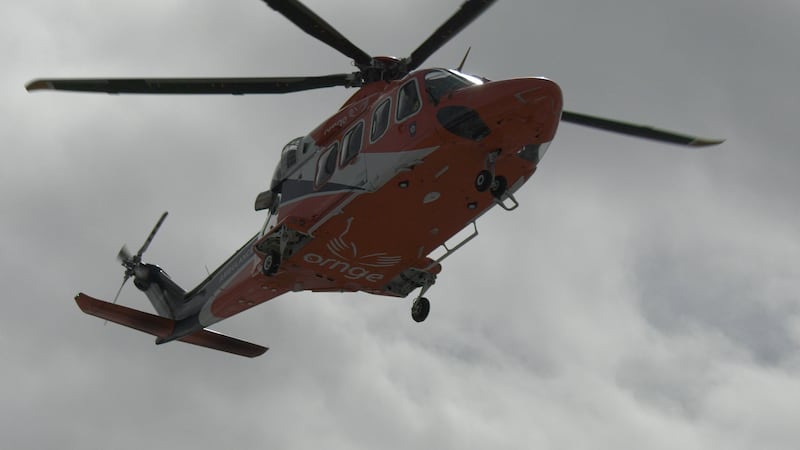
A wildfire in the wrong part of the forest could have serious consequences for Greater Victoria’s drinking water, and the Mount Jack blaze near Sooke offers a reminder of what is at stake. The fire burned within the Capital Regional District’s protected water supply lands in September, becoming the largest wildfire recorded in the area in more than three decades. CRD watershed firefighters joined BC Wildfire Service crews in efforts to bring the blaze under control, working on the ground and in aircrafts to help contain the flames. But where the fire burned was significant. The Mount Jack wildfire was located in the Leech watershed, which the CRD plans to use as a drinking water source in the future. It does not currently supply drinking water to Greater Victoria, and preliminary assessments point to a low risk to water quality. The same outcome could not necessarily be expected if a comparable fire swept through the Sooke watershed. That area supplies drinking water to the region, and Greater Victoria’s system relies on water that is not filtered before it reaches consumers. Protecting the natural environment around the water supply is therefore an important part of keeping that water safe. When a wildfire destroys vegetation and damages the ground, the effects can extend beyond the burned area. Rain can carry loosened soil, ash and other debris into waterways, potentially making the source water harder to manage and compromising its quality. The CRD considers wildfire the most significant threat to water quality originating on land within its water supply area. “Thank you to the CRD’s Watershed Protection Team and BC Wildfire Service for their work protecting these important lands and our region’s drinking water,” the Capital Regional District said in a social media post. CRD says preventing fires is one reason the watershed lands are closed to public access. The restrictions are intended to limit human activity that could put these protected areas and the water sources they contain at risk. For Greater Victoria, the concern extends beyond the damage caused by any single wildfire. A large fire in the watershed that supplies the region could create challenges for the drinking water system long after the flames have been extinguished.