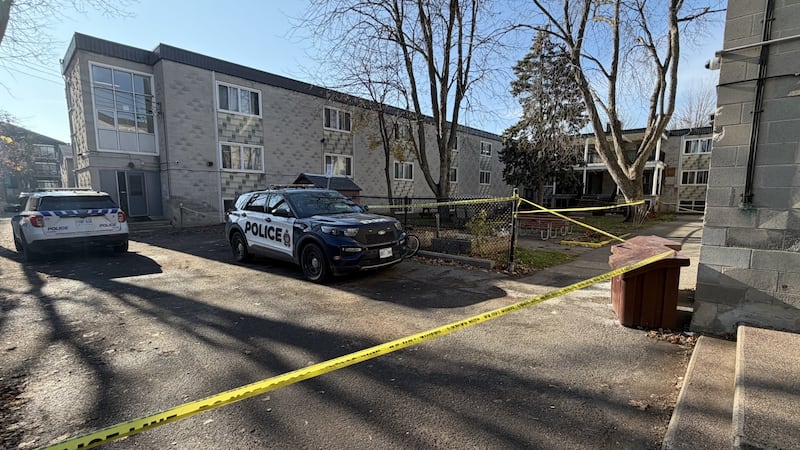
A Vancouver restaurant has had its liquor licence suspended for seven days for “allowing violent, quarrelsome, riotous or disorderly conduct” on the day of a popular street festival, according to the provincial regulator. Loula’s Taverna was found to have contravened the terms of its licence on June 14, 2026, when the Italian Day festival drew a crowd estimated at 300,000 to a 14-block stretch of Commercial Drive. According to a decision of the general manager of B.C.’s Liquor and Cannabis Regulation Branch posted online this week, the Vancouver Police Department responded to “multiple disturbances” at the packed establishment before a brawl broke out around 9 p.m. “Once the altercation had been brought under control, the VPD Officers determined that the establishment could not continue to operate safely given the significant overcrowding, the apparent intoxication from over-service of liquor, and the incident of violence,” the decision said. “The VPD officers therefore ordered the immediate closure of the establishment for the remainder of the evening.” The restaurant’s capacity is 91 people, but police estimated between 150 and 175 patrons leaving after the restaurant was shuttered, the branch heard. Some customers “became verbally hostile towards the VPD Officers, expressing dissatisfaction, shouting profanities, directing derogatory comments at the VPD Officers, and questioning the authority of the VPD officers to make the closure order.,” according to the liquor inspector’s notice of enforcement action. The owner, Marco Mirisklavos, admitted to the branch that he was intoxicated and upset about the closure order because of the potential financial loss, including between $3,000 and $4,000 in unpaid customer tabs. He was arrested outside of the restaurant, where police said he was displaying “aggressive and confrontational behaviour” which included “clenching his fists and adopting a fighting stance,” according to the decision. Loula’s, which is licensed to stay open until 1 a.m., was closed by 10:15 p.m. Restaurant or nightclub? R. John Rogers, who wrote the branch’s decision, noted that Loula’s is licensed as a “food primary” restaurant and not a “liquor primary” bar or nightclub. “Under the terms of the licence, the licensee must ensure that within the establishment there exists the atmosphere of a restaurant, with the primary focus on selling food, and not the atmosphere of a nightclub with loud music, patrons dancing, and a focus on the sale of liquor,” he explained. On the night of the contravention, the branch said several factors combined to create the atmosphere of a nightclub. Those included clearing tables from the dining room, setting up an unlicensed liquor service booth, changing the lighting, allowing dancing and allowing overcrowding. Rogers’ decision pointed out that the restaurant was not facing enforcement action on account of being over capacity, serving liquor in an unlicensed area, or allowing dancing despite a prohibition on “patron participation entertainment.” At issue was whether Loula’s had created an environment conducive to the violent alteration that broke out, thereby allowing the conduct to occur. Rogers found the restaurant had allowed the type of conducted prohibited under the terms of the licence but next had to determine what consequences—if any—the eatery would face. In cases where a contravention of has occurred, an owner or operator can argue all reasonable steps were taken to prevent it, thereby avoiding liability, the decision explained. Loula’s owner and manager told the branch the atmosphere on the night in question was “social and celebratory and non-confrontational.” They also said security had been hired to prevent or respond to any safety issues that arose and that action was taken immediately when the fight broke out. Rogers rejected the defence of due diligence. “It is obvious from the evidence before me that the licensee did not take such reasonable measures at the establishment during the Italian Day event. Indeed, the opposite was true,” Rogers wrote, finding the evidence demonstrated “a clear and intentional approach to permit over-capacity in the establishment, a high level of intoxication among the patrons, the service of alcohol in an unlicensed area, and through the removal of furniture, the intention to create an atmosphere of a nightclub.” The seven-day licence suspension will be in effect from Jan. 2 to Jan. 10, 2027. Rogers allowed it to be delayed until the new year only because the process of determining a penalty had been stalled by factors outside the restaurant’s control.