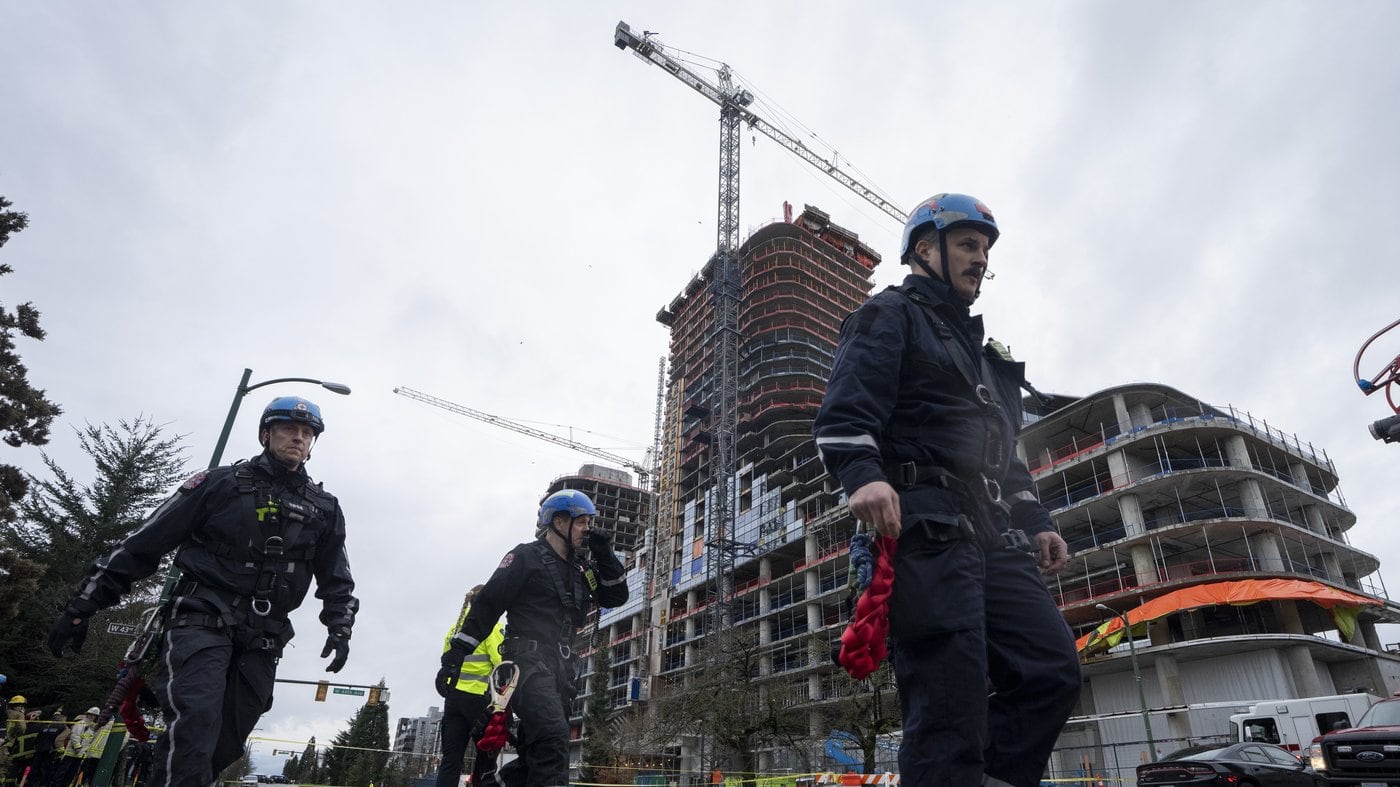
After a deadly few years on construction sites, the province is now aiming to be a leader in crane safety, with the introduction of a new licensing and permitting program. Currently, crane operators in B.C. must be certified and registered with an oversight body, but that requirement does not extend to workers that repair, disassemble or are responsible for cranes in other ways. The province says the new WorkSafeBC crane licensing and permitting program introduced Tuesday is in response to that gap. The program is based on recommendations brought forward by the Crane Safety Table, which was established in June 2025 by Labour Minister Jennifer Whiteside. The group, made up of regulators, industry leaders, labour representatives and technical experts, was created to identify ways to improve crane safety, after several crane-related fatalities. “Licensing and permitting are proven tools for reducing risks in high-hazard industries,” said Bryan Railton, business manager for the International Union of Operating Engineers Local 115, in a news release Tuesday. “By ensuring that only qualified employers oversee crane work and operations, we can continue to help reduce the risk of catastrophic failures before they happen.” Seven workers have died in the province in the last five years as the result of safety incidents involving cranes. These include the death of a woman killed by material that fell 26 storeys at Vancouver’s Oakridge Park development in February 2024, as well as the collapse of a crane in Kelowna in the summer of 2021 that killed five men. The deaths have come at a time when the number of active tower cranes in the province has rapidly expanded. There were 261 active tower cranes on worksites in B.C. in 2021, a number that jumped to 409 cranes in 2024. Currently, the number sits at about 373. That is compared to about 106 active tower cranes in Toronto.