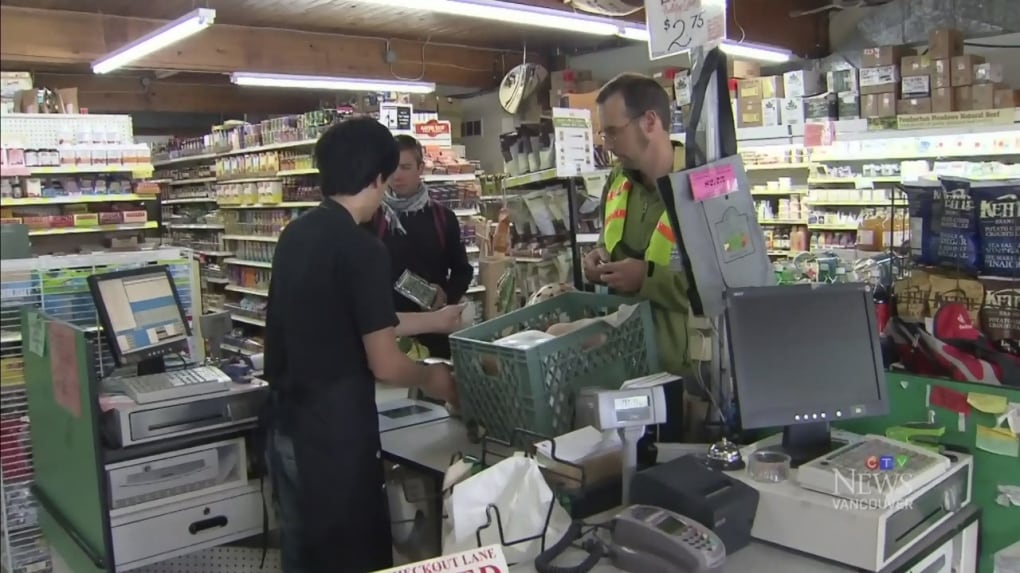
B.C.’s minimum wage is set to increase to $18.25 per hour on June 1 as part of the province’s efforts to keep pace with inflation. The change represents a 40‑cent increase from the current rate of $17.85 and is tied to B.C.’s average inflation rate in 2025, which the province says was just over 2.1 per cent. A June 1 increase is also coming for app-based ride-hailing and delivery workers, whose minimum rate will rise to $21.89 per hour of engaged time. “Working people in our province are feeling the pressure of inflation,” Labour Minister Jennifer Whiteside said in a statement Thursday. “That’s why we acted to bring in annual minimum‑wage increases… This matters for everyone, and especially for minimum‑wage workers, the people doing the jobs so many of us rely on every day.” Since 2024, B.C.’s minimum‑wage system has automatically increased each year based on the previous year’s inflation. The province says B.C. now has the highest minimum wage among Canadian provinces, whereas in 2011 it was the lowest in the country at $8 per hour. A full list of historical minimum‑wage rates was included in the government’s announcement. Ugo Chukwurah, a former junk‑removal worker in Burnaby, said predictable, inflation‑linked increases make a real difference. “When the government changes the law to make sure the minimum wage keeps up with the cost of living, it means something real to workers like me,” he said in Thursday’s release. The announcement has B.C.’s fastest-growing chamber of commerce heeding caution about the impact on both employers and the next generation of employees. “For many local employers and small businesses, this is just the latest in a long list of rising costs — from payroll taxes and property taxes to the recent expansion of the PST in the latest provincial budget. At some point, the cumulative impact becomes too much to bear for small and medium-sized businesses,” Langley Chamber of Commerce CEO Cory Redekop said in a statement. He also raised concerns about rising levels of youth unemployment, which surged in 2025, reaching its highest point since the early pandemic. “If the government is going to continue on this path with minimum wage, it might be time to consider options, resources or supports to help small businesses afford to keep creating those entry-level jobs that our next generation depends on,” said Redekop. The province says most minimum-wage earners are young adults, women and racialized workers in retail, food services and care industries. The next increase is scheduled to set in right as Vancouver prepares to host seven matches of the FIFA World Cup in June and July—and minimum wage workers will likely be hot commodities as the city looks to meet a surge in tourism demands.