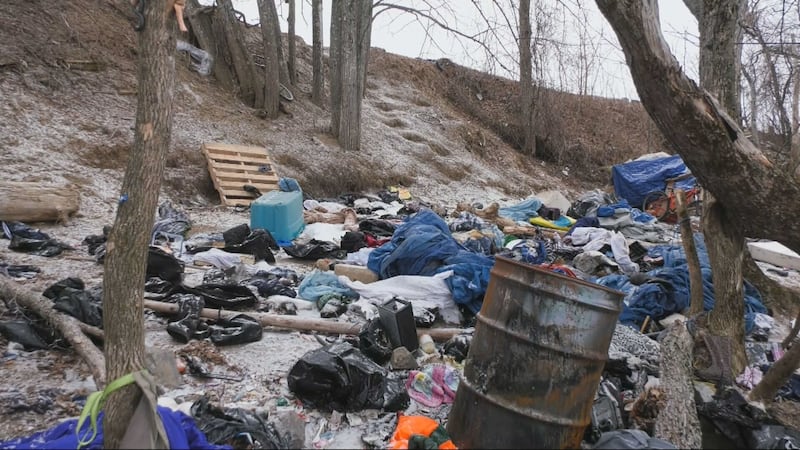
A former Vancouver mayor says his six‑month review of the Downtown Eastside has left him both alarmed by conditions on the ground and hopeful that change is still possible. Larry Campbell was hired by the province last fall as an advisor to better understand the core challenges facing the neighbourhood. His mandate was to meet with residents, non‑profits and front‑line organizations and identify what is contributing to a crisis many say continues to worsen. He was paid a salary of $92,000, plus up to $10,000 in expenses. “The first couple of months were rough for me,” said Campbell. Campbell previously served as Vancouver’s mayor in the early 2000s, when heroin use dominated the Downtown Eastside. He says the current situation is markedly different, with toxic drugs such as fentanyl and animal tranquilizers now driving overdoses and long‑term health damage. “The thing that shocked me the most is the normality, the fact that it was normal for people to be laying on the sidewalk for people to be stepping over them,” said Campbell, who also previously served as B.C.’s chief coroner. According to Campbell, his early observations point to a deadly drug supply, a shortage of supportive housing and mental health services, and the need for better co-ordination among government and community organizations working in the area. “We spend a lot of money down there, and it’s not about the amount that we spend, it’s about the results that we get. And I go down, and I look, and I don’t see a huge amount of improvement,” Campbell said. He says his focus is not on cutting funding, but on finding ways to improve collaboration. “I’d like to find some way of co-ordinating the money, the organizations, to the point where there’s a co-operation there. And I want to make this absolutely clear: I don’t want to take one cent away from what’s going to the Downtown Eastside,” he said. At the Union Gospel Mission, Nick Wells says front‑line conditions have become more challenging in recent months. “In the last six months, we’ve seen a more toxic drug supply,” said Wells. “We’re seeing more health issues.” Wells says his organization has had productive discussions with Campbell, particularly around the importance of stable housing and wraparound supports for people struggling with addiction. “That’s kind of our message, and what we hope what Mr. Campbell and the provincial government takes away is the need for those wraparound support systems in place when you are looking to help someone deal with substance abuse,” Wells said. The provincial government has extended Campbell’s contract for another six months. “Larry’s work to date has laid the groundwork for some upcoming next steps – and we are now at a critical juncture in the work he has been doing,” said Christine Boyle, Housing and Municipal Affairs Minister, in a statement. “He has been connecting with people in the community week after week, reviewing the co‑ordination of organizations and initiatives, such as day spaces, to further support their meaningful impact in the neighbourhood, and leveraging his experience as mayor and senator to advocate for and advance efforts toward multi‑government co‑operation on housing in the DTES.” Not everyone supports the approach. Critics argue the province is relying too heavily on external advisors instead of elected officials. “What’s frustrating for me is that we’re continually hiring these other consultants and having these other special contracts. But this is work that actually should be getting done by sitting MLAs,” said B.C. Conservative MLA Claire Ratte. Campbell is expected to provide a report of his findings later this year, which he hopes will lead to concrete action. “Initially I felt despair, and now I feel hope,” he said.