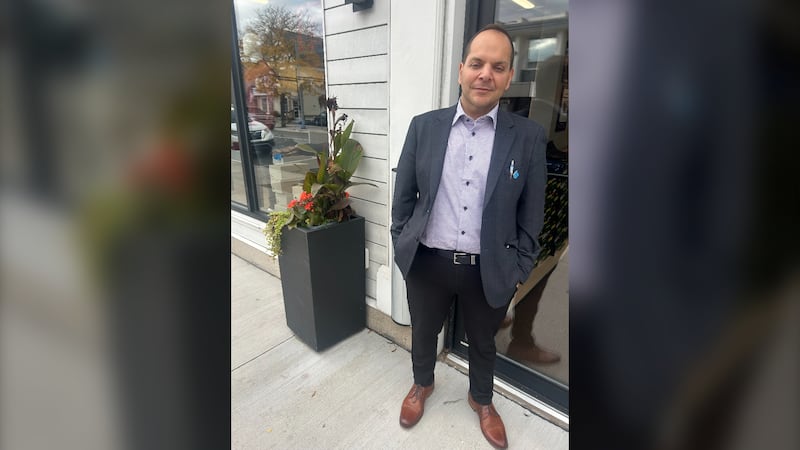
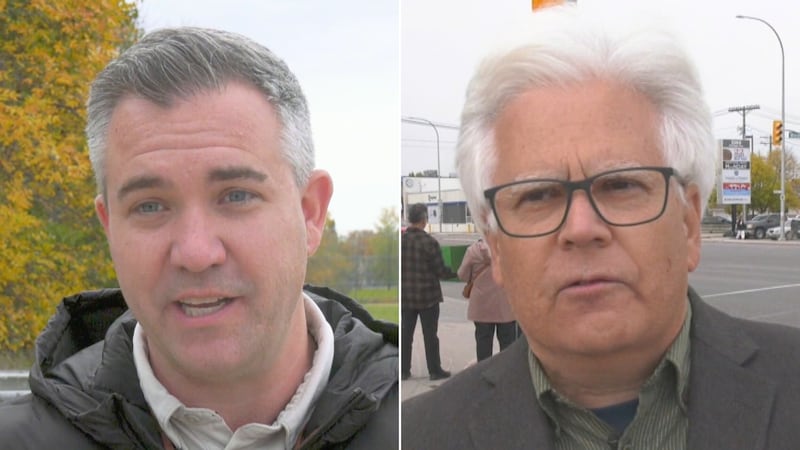
In the city of Vancouver alone, $1 billion worth of property is occupied by private and independent schools, while the region has hundreds of places of worship, charities, and even a “cult” that enjoy freedom from property tax bills. Now a growing number of people are questioning whether the automatic statutory annual exemptions should be re-visited to determine who’s still providing value for the community and taxpayers. Kareem Allam, a mayoral candidate in Vancouver and board member of the Overdose Prevention Society, has observed some churches in the city stepping away from frontline humanitarian support and believes “after 56 years of this system, it’s worthwhile to reexamine” who gets an exemption. Sitting OneCity councillor Lucy Maloney, has been advocating for a change to provincial exemptions to allow all vertical farms to get the same property tax breaks as conventional farms. “I think it’s very important that we take the time to do that analysis and work out where we’re giving tax breaks that aren’t making a contribution to society,” she said. The B.C. Humanist Association, which represents atheists and agnostics, has spent years advocating for a community benefit test, even if it’s a one-page questionnaire, and the ability for municipal councils to decide whether the impact is sufficient. “How many volunteers do you have? Who do you serve? What benefits do you give to the community?” said executive director, Ian Bushfield. “We don’t deny a lot of churches do a lot of good that’s necessary in the community, but is that promotion of faith itself charitable? We don’t think so.” Some stand-out exemptions and deals CTV News has learned that private and independent schools in the City of Vancouver occupy properties and buildings worth a combined $1 billion. They receive an automatic property tax deferral every year and form part of the staff report made annually to council on exemptions. Nestled in the heart of Vancouver’s upscale Shaughnessy neighbourhood are two addresses classified as “farm buildings” in the city’s database of 2024 exemptions. Both are 2.5 acre properties with massive homes and beautiful landscaping. Unlike neighbours – whose BC Assessment listings indicate a land value of approximately $10 million – separate from the houses’ values, the two farm properties have land values of just $11,000 and classified as “farm land.” “It’s its own separate tax rate within the prescribed classes of property regulation,” explained BCA spokesperson, Bryan Myrao. “With those (approved) properties, you have usage requirements and you also have income requirements.” Eastward in the city’s Fairview neighbourhood is a large character home with high fencing, security cameras, and gated entrance next to a sign confirming it is the headquarters of the Society of Kabalarians. It’s listed in Vancouver’s exempted property directory as a “charitable organization.” A 2002 Supreme Court of Canada decision described the group as a “cult” and its website describes their belief that harmonizing birthdates and finding a “balanced name” which “will be in harmony with your purpose, your unique path as determined from your date of birth which defined your core purpose of life.” The faith community’s ongoing role in the community The Lower Mainland is home to hundreds of gurdwaras, temples, meditation centres, mosques, and churches with virtually every neighbourhood containing some kind of house of worship. And while many people may associate them with milestone life events like weddings and funerals, many of them have dedicated volunteers who are serving their communities on a daily basis. “Everybody knows that many churches, many gurdwaras are feeding the people,” said Dr. Kala Singh, chair of the Multi-faith Summit Council of BC. He shot down the idea of regular reporting of charitable activities as “not feasible” since they don’t question or track who comes for a free meal or benefits from clothing drives and other philanthropic pursuits. In an email statement, the Catholic Archdiocese told CTV News that their church is among the largest charitable entities in BC driven by volunteers at its 77 parishes throughout the Lower Mainland, including those serving 300 people a day at their outreach centre in the Downtown Eastside. “Some examples include soup kitchens, settlement support for new immigrants, and Christmas hampers for families in need,” wrote a spokesperson. “Each local community finds ways to engage with their neighbours and help those most in need.”