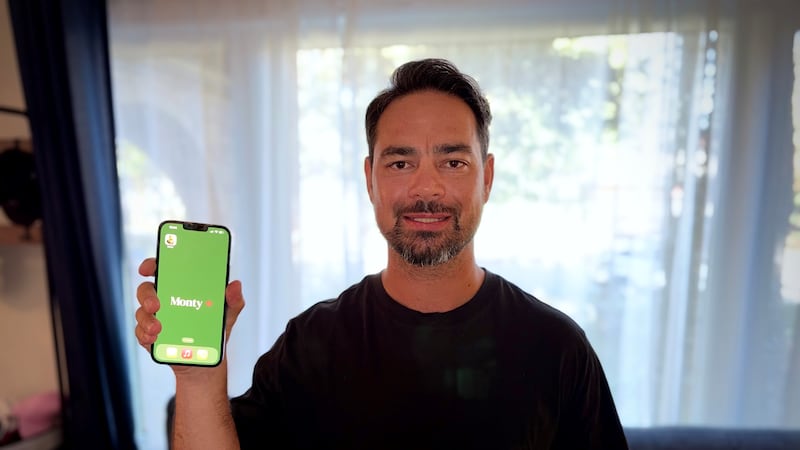
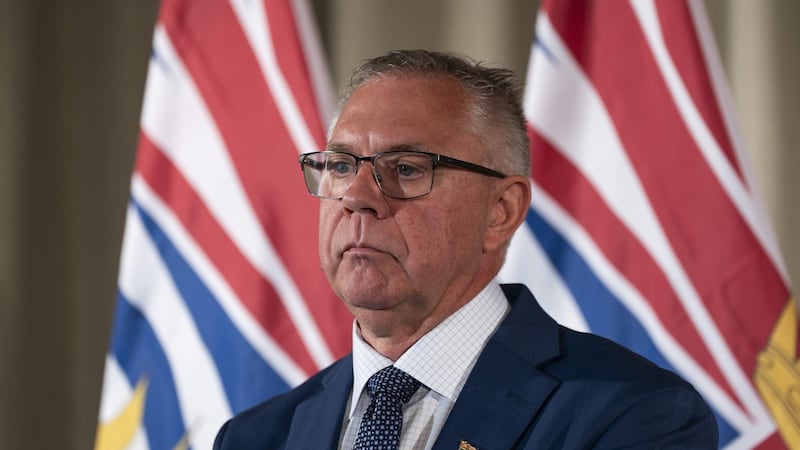
A day after Elections BC published the final list of candidates for this month’s provincial election, parties traded barbs as a deeper analysis raises questions about whether some names on the ballot are simply there as placeholders. The B.C. Conservatives are touting their full slate as a sign they’re “a strong, stable government-in-waiting,” according to Kelowna-Mission candidate Gavin Dew, who criticized the B.C. NDP for putting candidates in just 92 of the 93 ridings. “This is not a serious NDP campaign at this point; it seems it’s falling apart at the seams,” he said. But when CTV News pointed out his party’s 75 per cent male candidate ratio and asked whether he thought it could alienate female voters, Dew said he hadn’t looked at his team’s demographics. While many of the Conservatives’ candidates are long-time politicians or business leaders, some candidates have very thin resumes for the job of MLA. Jordan McIntosh is a university student working towards a BA in geological engineering, according to his biography, and is also a mineral exploration field worker. Alexander Muir is the party’s candidate in Vancouver-Little Mountain and, according to his LinkedIn profile, is a second-year University of British Columbia student who interned at federal Conservative Leader Pierre Poilievre’s office over the summer. NDP has its own problems The B.C. NDP blamed “paperwork problems” for the lack of a candidate in Peace River North, which is likely to go Conservative, with Eby slamming his key opponents. “What we’re seeing them do is fill up their roster of candidates with some of the most extreme and repugnant views that British Columbians have seen, and a leader that refuses to stand up to the extremist elements in his own party,” Eby said on Monday. “Every single one of our candidates I would put up against any one of the B.C. Conservatives.” However, one of those candidates is missing from the list of aspiring office-holders on the NDP’s website. Elections BC identifies Miram Rycroft as the party’s candidate in Kelowna-Mission. Her LinkedIn page appears dormant, without a photo, but the federal Registry of Lobbyists has a 2012 entry identifying her as a legislative assistant in the House of Commons, with another entry that year naming her as an NDP policy officer in foreign affairs in the House. Dew is her political opponent and believes she currently lives in Alberta. An online search suggests she has recent professional activity in that province. Why the numbers matter While the ability to claim a full slate is typically a bragging right among parties, there’s also significant money at play. Since 2018, Elections BC has been allocating funding to political parties on a per-vote basis in a move designed to eliminate big-ticket corporate and union donations; the move has irked party leaders at a disadvantage. The B.C. Greens have collected millions in these annual allowances, despite only a handful of MLAs in the legislature, since they have enjoyed broad support across the province. It appears current leader, Emily Lowan, is eager to grow their future war chest as she fields a whopping 73 candidates who can help fill party coffers whether they win or not. Centre B.C.’s leader opted to focus on the quality of candidates, rather than the quantity, with the fledgling party already strapped for cash since it didn’t exist during the last election and therefore has no Elections BC allowance to boost its bank account. “We actually had more people applying than those that we actually selected as candidates because we wanted to put our best foot forward,” said Elenore Sturko, who applauded those who put their names forward while slamming the premier. “Vetting for us was a big thing, and it’s not easy, especially when you have a premier that, for his own reasons, is calling a snap election,” she said. “In the last ten days we probably did six months to a year’s worth of work.”