Here's how taking a picture of your backyard or hike could help save species at risk
An annual photography event is encouraging Canadians to get out and see nature. The Big Backyard BioBlitz is the Nature Conservancy of Canada’s (NCC) way to document biodiversity across the country with the help of everyday people.
Published:
Image 0 of 18
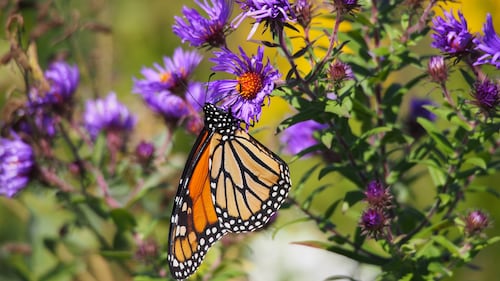
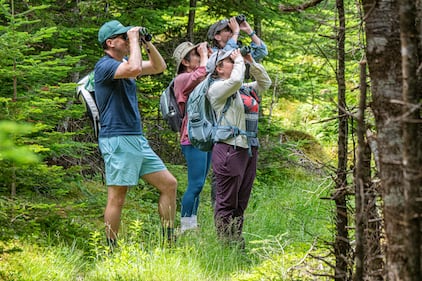
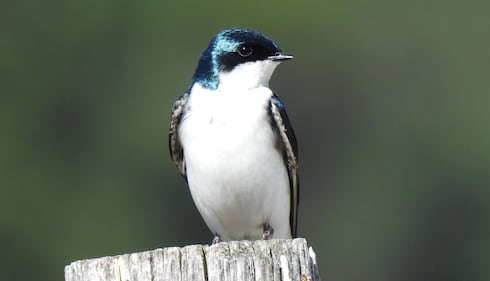
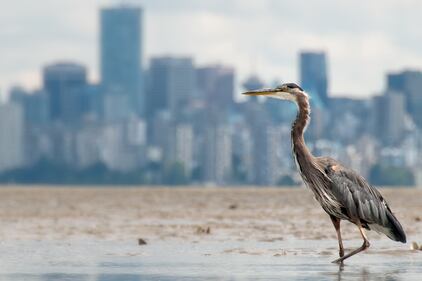
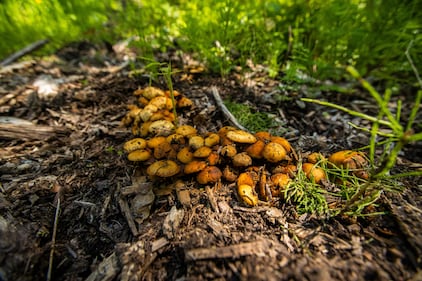
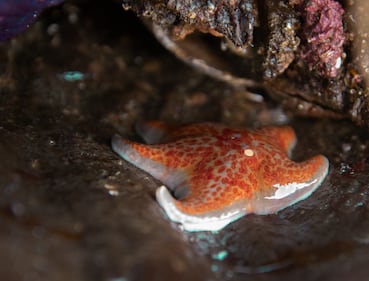
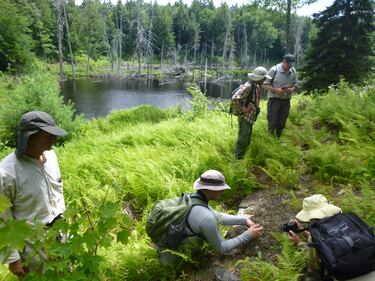
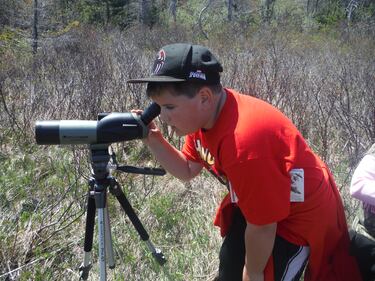
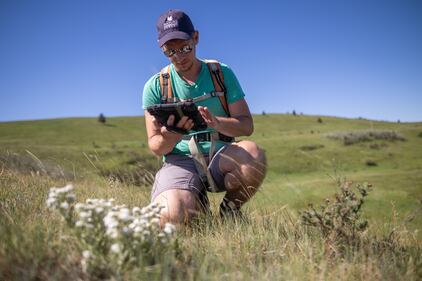
Big Backyard BioBlitz The Big Backyard BioBlitz, organized by the Nature Conservancy of Canada, has returned for a fifth year and people are encouraged to take photos of biodiversity they see anywhere in the community—even their own backyard—to help scientists track what animal and plant species are up to across Canada.
Big Backyard BioBlitz “It's a community science event and a way to get everybody involved in the work that we do,” said NCC coordinator of conservation biology Sara Meyer in an interview with CTV News Toronto. “It's a way to collect and gather more observations, which helps us with the work we do.”
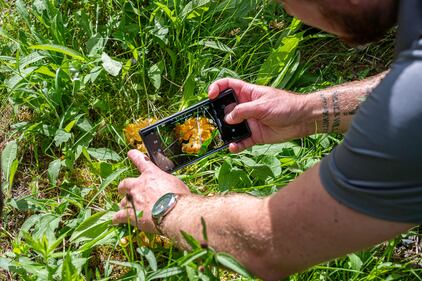
Big Backyard BioBlitz The public is being asked to take pictures and then upload them to an app called iNaturalist.
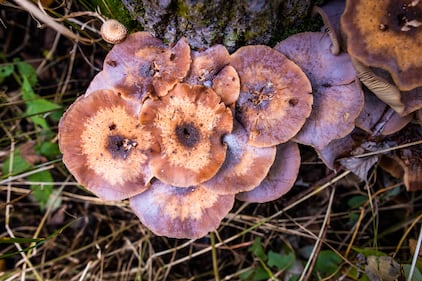
Big Backyard BioBlitz "Whatever you're able to take photos of, (the app) will help you identify what species you're looking at, whether it's plant, animal, fungi, and then we can use that information to help influence the work that we do,” said Meyer.
Big Backyard BioBlitz The NCC said 2024’s BioBlitz saw more than 47,800 photos of various plant and animal species from 21,849 locations in Ontario uploaded to iNaturalist.
Big Backyard BioBlitz So, what types of pictures should you snap?
Big Backyard BioBlitz “It's whatever you see. Nothing's too rare. Nothing's too common,” said Meyer. “Really, what it's doing is helping us get an idea of what's on the ground right now. So, if you're searching for something specific, you may be missing other things that are more common but are still important information for us to have. Something as common as the common milkweed is important because we can see when it's starting to bloom, when the seed pods are starting to develop, and that helps us get an idea of what it's looking like right now on the ground.”
Big Backyard BioBlitz Scientists can’t be everywhere, the NCC says, and the data collected during the BioBlitz contributes to “conservation planning, species protection, and ecosystem monitoring.”
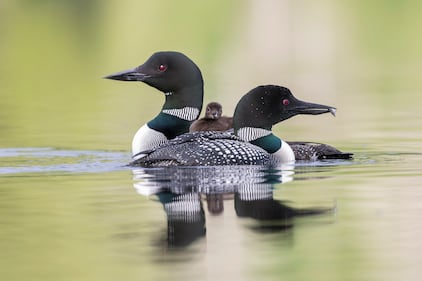
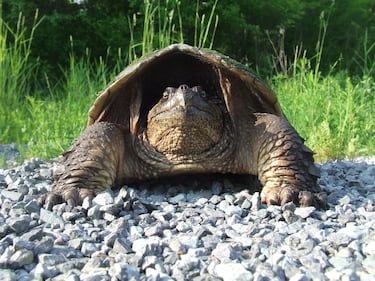
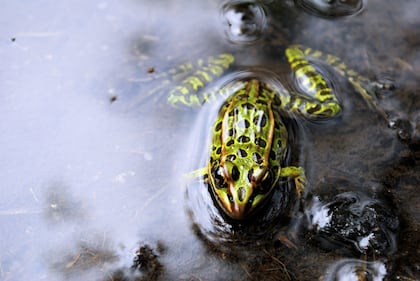
Big Backyard BioBlitz The Conservancy says since the annual event began five years ago, over 193,000 observations have been submitted, documenting more than 8,600 species, including many that are rare, at-risk, or endangered.
Big Backyard BioBlitz The NCC says the discoveries provide “a snapshot of what is happening in communities and on the ground” and gives them valuable information on the range and migration of species, helping them support adequate habitats and resilient landscapes.
Big Backyard BioBlitz “A lot of the work that we do on our properties is invasive species control,” said Meyer. “That's things like garlic mustard, dog strangling vine and different species that are impacting and taking over the native biodiversity. So, being able to see where they are from the pictures that get uploaded to iNaturalist we should be able to control them at certain life stages.”
Big Backyard BioBlitz Meyer also said the program helps them identify species at risk, allowing them to find out if endangered species are around and where they should be looking for them.
Big Backyard BioBlitz Because of how large Canada is, the BioBlitz allows researchers to see into areas they otherwise may never go and assess the biodiversity there, Meyer said.
Big Backyard BioBlitz Biodiversity encompasses the number of different species within an area or ecosystem. The hope is to study how climate change and other impacts are placing stress on these systems from the data collected across the campaign.
Big Backyard BioBlitz “If a virus were to come through and impact one species and wipe it out, if you have a diverse number of species that all work together in their food chains there's still many other moving parts of that ecosystem that can regenerate and create more places for that species to come back.”
Big Backyard BioBlitz Biodiversity also impacts humans. Meyer pointed to the Happy Valley Forest, just north of Toronto, on the Oak Ridges Moraine. “(The moraine) is an amazing feature that allows water to filter through and that creates clean drinking water for millions of people in the GTA and beyond. So, by keeping it protected and having many different diverse species, it allows that area to absorb stormwater, prevents flooding, and then provides that clean drinking water.”
Big Backyard BioBlitz The Big Backyard BioBlitz officially ends on Aug. 4, but Meyer and the NCC say Canadians can contribute to iNaturalist year-round.
Big Backyard BioBlitz “Everybody's welcome to continue using (the app) throughout the year. It’s even a great tool to identify something you see that you’re unsure of because it helps you identify what you're looking at. It's a great tool, and it's a lot of fun too,” said Meyer.