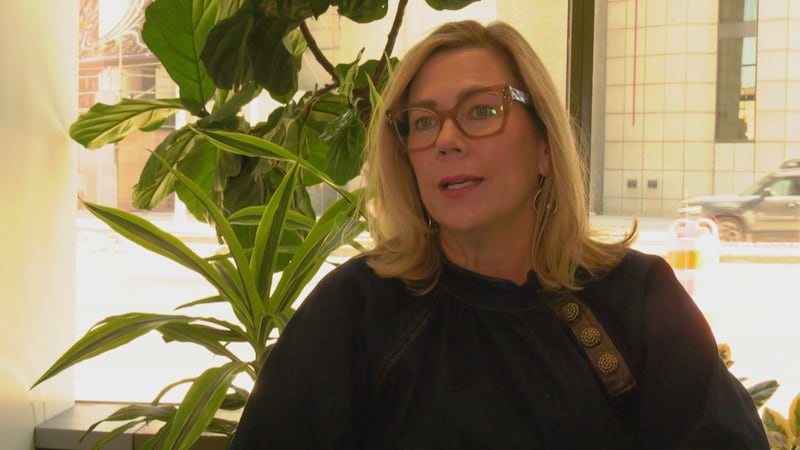
Lemon batteries, analyses of the solar system, cloud seeding. These are just a few examples of the interesting projects showcased at the STEM fair in Lebret, Sask. on Wednesday. Shasta Hanna works as the literary consultant for the File Hills Qu’Appelle Tribal Council, the organizer of the event. She believes events like this can ignite that spark in young minds. “[The students] are going to ask themselves, ‘What do I enjoy learning about? What do I find interesting? What kind of questions do I have about the world?,’” Hanna told CTV News. “They come up with a hypothesis and then they do the scientific method from there.” Over 100 students from Treaty 4 territory participated in the STEM fair, presenting 88 projects. One project, discussing cloud seeding, was presented by a student who advanced to the national STEM fair last year. “Cloud seeding is increasing the likelihood of precipitation using compounds like silver iodide, potassium iodide, or even dry ice,” Seraphine Bellegarde explained. Bellegarde’s dream is to become a physician. She was recently accepted to study at the University of Regina. “[Participating] actually really improved my people skills. I used to be a very heavy introvert so I didn’t talk to a lot of people,” she told CTV News in front of her booth. “Being and doing the science fair, especially talking to judges and other contestants really took me out of my comfort zone, which I think is really important to building those skills.” She thinks that science fairs are not popular among her peers. “I’m the only kid from my school to participate,” she said, shaking her head. “The teachers didn’t even how to get me here or get started.” It was her mother, a science teacher, who encouraged her to participate last year. It is that encouragement, which carried her and her presentation of bioremediation to the nationals in New Brunswick. “It was chaos, and I’m not a very social person but I made a couple of friends and I’m still in contact with them,” she explained. At the event in Lebret, some students were quietly waiting for the judges by their boards, others were having a lively chat outside as part of the break-out sessions. “We have moose meat making and bannock making over the fire. We have archery happening, [students learn about] the physics of archery. And then we have some robotics,” Hanna listed the fun events students could partake in. “They’re all tied to STEM.” Hanna hopes that this event will help student find new interests which could help them meet the demands of tomorrow’s job market.