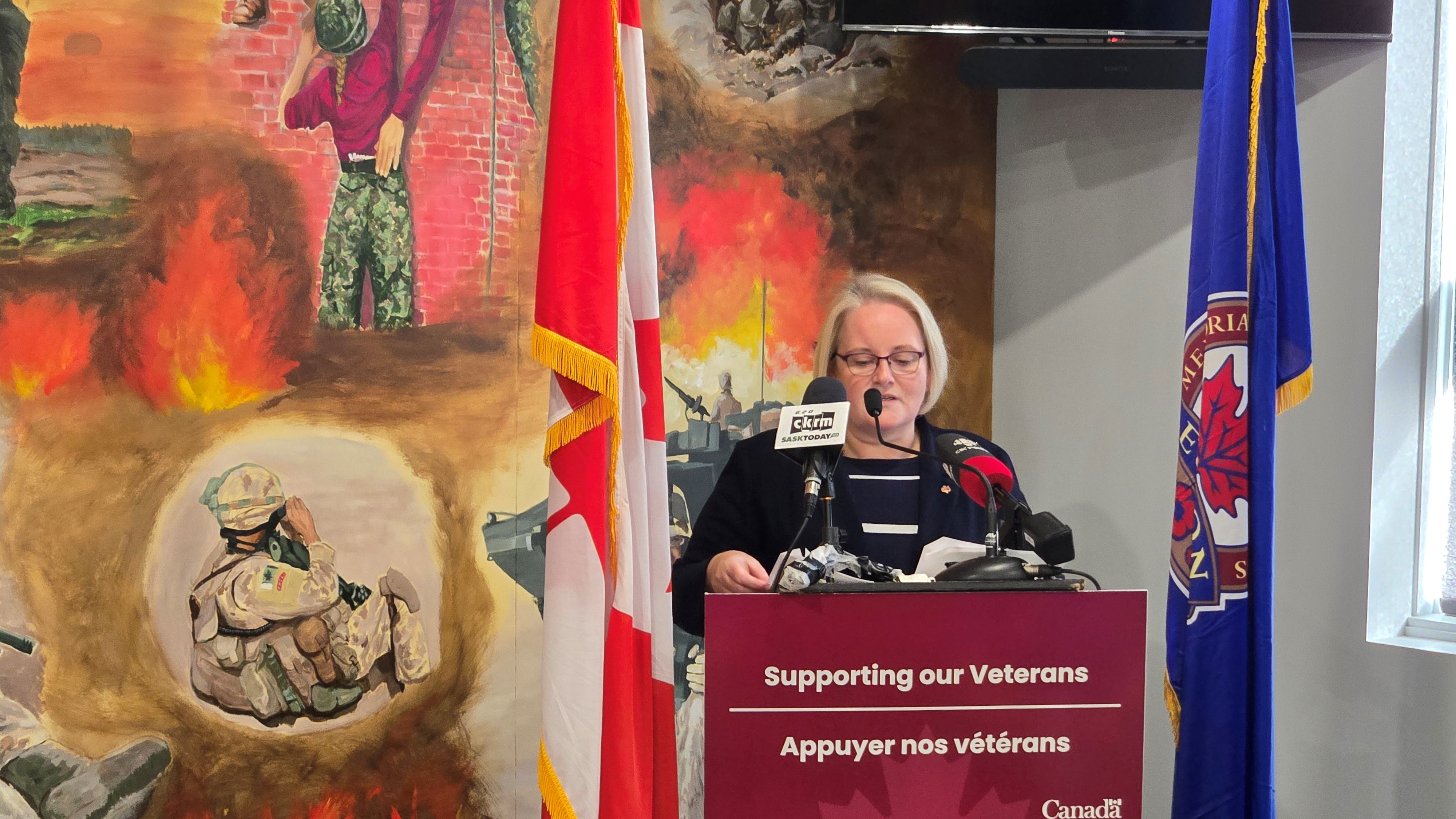
The government of Canada says it has formally recognized Gulf War Illness as an official diagnosis, making those who suffer from the condition eligible for disability benefits – something veterans have been requesting for years. In a release Thursday, the government said Minister of Veterans Affairs Jill McKnight met with representatives of the Persian Gulf Veterans of Canada earlier this week “to discuss the importance of Gulf War Illness being formally accepted as a diagnosis for disability benefit applications.” “As announced during the Minister’s appearance at the Standing Committee of Veterans Affairs on December 2, this update became effective immediately,” the release read. Veterans Affairs Canada (VAC) says it has streamlined the process for Persian Gulf veterans, and benefits applications will be reviewed and processed by nurse adjudicators who will have the ability to render decisions without any further consultations with medical advisers. “This updated process removes the additional level of review that previously existed and allows for a more efficient client experience for eligible veterans,” the federal government said. Gulf War Illness, often referred to as Gulf War Syndrome, is a widely used term that refers to a range of unexplained symptoms experienced by veterans of the 1990-91 Persian Gulf conflict, in which more than 4,000 Canadians served, according to the federal government. In a written statement included in the release, the president and vice-president of the Persian Gulf Veterans of Canada said the official recognition of the illness is a long time coming for its members, many of whom have been seeking additional support for the illness for decades. “This will help many Canadian veterans who put their lives on the line in service of our country,” wrote Harold Davis and Michael McGlennon. “We congratulate Minister McKnight and the government of Canada for making this important change.” The federal government’s decision to formally recognize the illness comes after the U.S. Centers for Disease Control and Prevention made a similar announcement in October in an effort to better understand the condition that has impacted tens of thousands of American veterans. Common symptoms of the illness include chronic fatigue, persistent headaches, joint and muscle pain, memory and concentration issues, sleep disturbances, and gastrointestinal problems, according to VAC. “Persian Gulf veterans with this diagnosis,” the release read, “or those who may have experienced symptoms not previously accepted as Gulf War Illness, are encouraged to reach out to VAC through their MyVAC account, by email or by phone to have their case file assessed.”