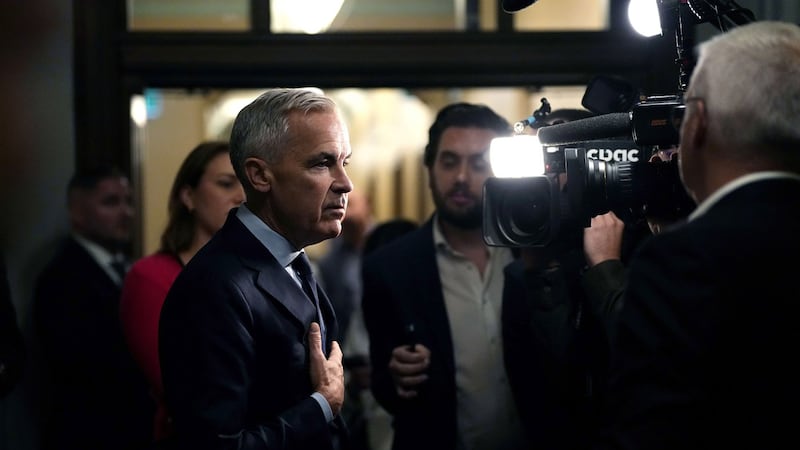
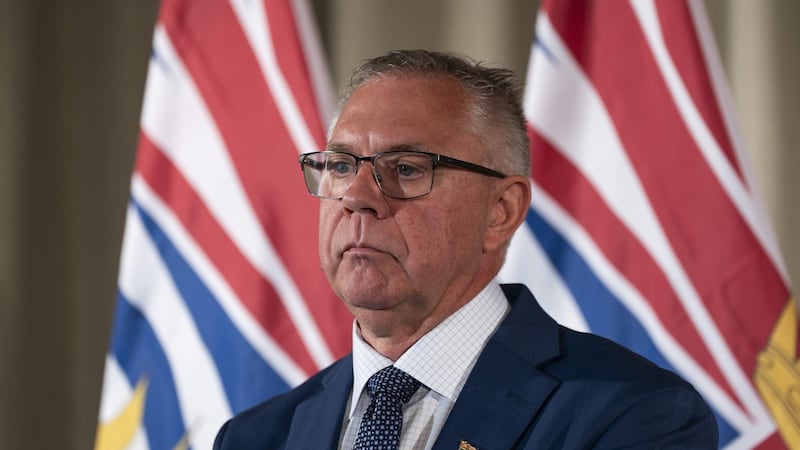
With five weeks to go until the federal government’s highly anticipated budget, Bloc Quebecois Leader Yves-François Blanchet says it’s unlikely his party will support it. Speaking to reporters on Parliament Hill Wednesday, Blanchet said the Liberals haven’t consulted with him at all on the budget’s contents. “The government did some private pre-budget consultations, and like in anything else, they will decide privately in the PMO what will be in the budget,” he said, adding he anticipates Finance Minister François-Philippe Champagne will then “convey that to the population. “And, they will face Canadians and Quebecers with the unbelievable deficit, which looks like madness,” he also said. “So, there is no consultations, and there will be no legitimacy to this budget.” Debate around the deficit and the potential size of it has dominated Parliament Hill in recent weeks. Prime Minister Mark Carney has signalled the deficit will be “substantial” due to tariff supports, defence spending and tax cuts to help with affordability. Meanwhile, a recent report from interim Parliamentary Budget Officer Jason Jacques pegs the deficit at $68.5 billion this year, up from $51.7 billion dollars last year. Jacques also projects that the federal debt-to-GDP ratio — one of the government’s fiscal anchors — will increase over the medium-term, and remain above its pre-pandemic level. In an interview with CTV Question Period last week, Jacques said Canada’s fiscal outlook is “at the precipice.” Blanchet said he’ll wait to see what’s in the budget before deciding whether or not he’ll support it. “But as I said, I don’t see how,” Blanchet said on Wednesday. ” I cannot see how we could support a budget, which is first based on some taxes reductions, electoral gifts and some fantasies in many regards.” “I cannot support that,” he added. “I don’t see how we could support that.” Blanchet said the government should “take note” that, at this point, the 22 Bloc MPs are planning to vote “no.” Three seats shy of a majority government, the Liberals will need votes from another party to pass the budget. The long-delayed budget — set for release on Nov. 4 — will be the first with Carney as prime minister, and the first test of his government as a confidence vote. Carney has described the budget as one of both “austerity” and “investment,” which has prompted some to question how the federal government can earmark billions of dollars in new spending while also balancing the operational budget in three years, as pledged during the federal election. The federal government’s last full budget was in April 2024 under former prime minister Justin Trudeau, followed by a fall economic statement at the end of last year.