ADVERTISEMENT
WWF gives stark warning for Canada’s declining biodiversity
The 2025 World Wildlife Fund Canada's Living Planet Report reveals the most severe average decline in the size of monitored wildlife populations in Canada since reporting two decades ago.
Updated:
Published:
Image 0 of 13
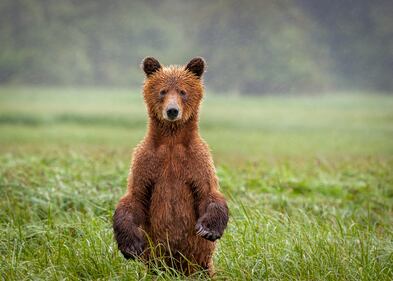
'Western populations of grizzlies — those in Yukon, Northwest Territories, Nunavut, B.C., Alberta, Saskatchewan and Manitoba — are categorized as Special Concern in Canada, with variation among regional trends and distributions,' WWF says.
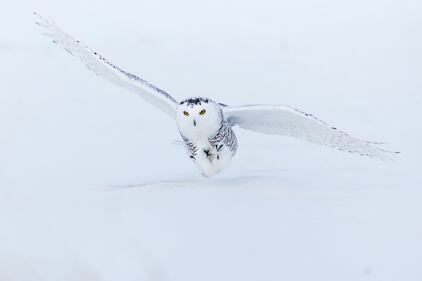
'One of the main threats to snowy owls is climate change, particularly as the global Arctic is warming at four times the rate of the rest of the planet,' WWF says.
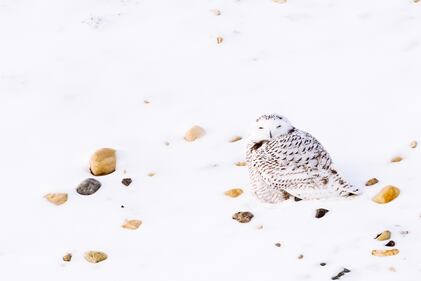
'One of the main threats to snowy owls is climate change, particularly as the global Arctic is warming at four times the rate of the rest of the planet,' WWF says.
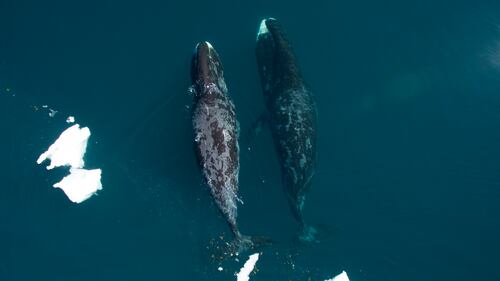
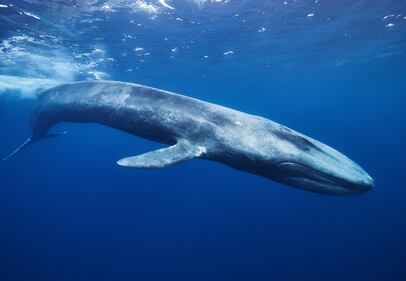
‘The biggest animal on Earth had all but disappeared from Canadian waters because of high levels of commercial overexploitation prior to Canada’s commercial whaling ban in 1972. In the Atlantic Ocean, commercial overexploitation reduced the population by approximately 70 per cent,' WWF says.
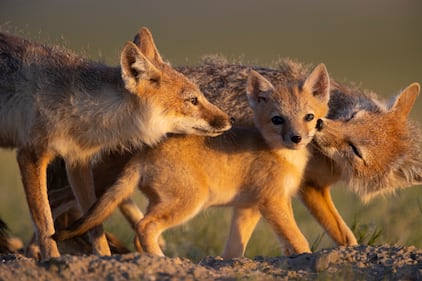
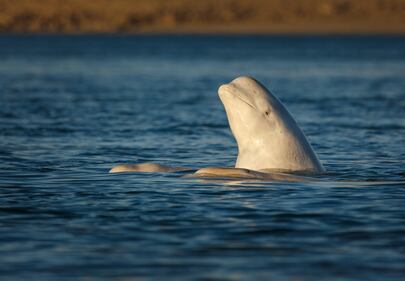
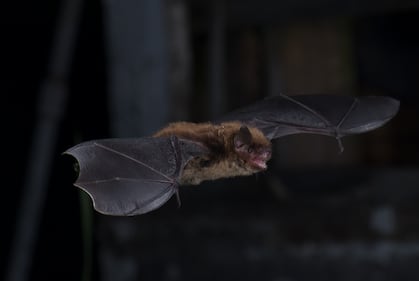
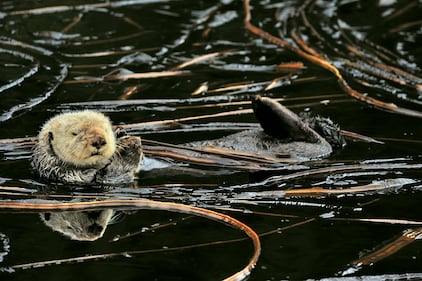
'Low numbers relative to historic abundance, combined with the species’ susceptibility to oil spills among major tanker routes, mean that this species is categorized as Special Concern in Canada,' WWF says.
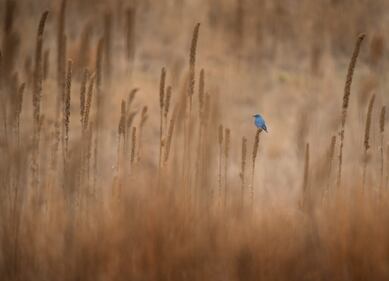
‘Their dependence on insects means that heavy applications of insecticides impact the quantity and quality of food available for chicks during the nesting season. Extreme weather events such as unpredictable, heavy rainfall or early-season storms due to climate change also impact mountain bluebirds at all life stages, in addition to ongoing threats driven by forestry and agricultural practices,' according to WWF.