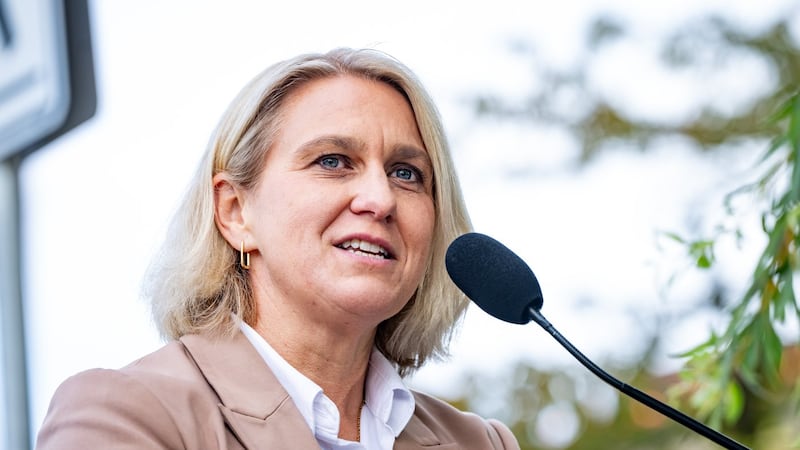
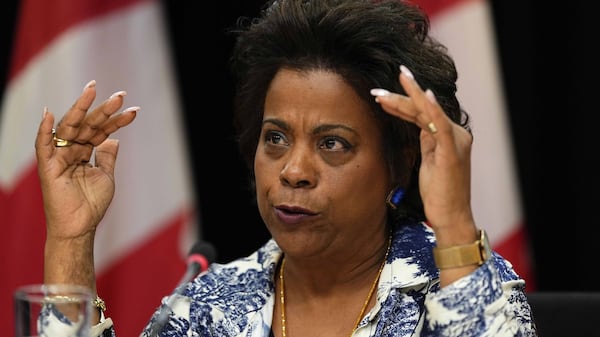
As rural communities across Ontario struggle to attract and retain doctors, the mayor of Sault Ste. Marie is calling for federal intervention to level the playing field, while medical leaders argue broader systemic fixes are needed first. Sault Mayor Matthew Shoemaker wants the federal government to ban municipal financial incentives for physicians, arguing that smaller communities like his cannot compete with wealthier regions offering lucrative signing bonuses. Meanwhile, Dr. Zainab Abdurrahman, the new president of the Ontario Medical Association (OMA), says addressing systemic pressures on family medicine – such as underfunding and administrative burdens – must take priority. Both agree, however, that multiple factors influence where doctors choose to practice, from training opportunities to cost-of-living pressures. “Nominal” incentives versus six-figure offers Shoemaker said Sault Ste. Marie has lost potential recruits to municipalities offering “$50,000 to $125,000 as a direct payment” for return-of-service contracts, while his city only provides a $10,000 moving allowance. “We’ve got a small moving allowance that’ll cover the costs of your movers up to $10,000, but it’s very nominal in terms of what other communities are offering,” he said. The mayor also noted that doctors often settle near their training sites, underscoring the city’s push for a stronger Northern Ontario School of Medicine (NOSM) presence in the city to boost local recruitment. Systemic Barriers First: OMA Abdurrahman argued that financial incentives alone won’t solve the shortage without addressing the challenges driving doctors away from family medicine. “We haven’t really ensured funding to keep up with the rising costs of inflation and the ability to really operate their practice,” she said. “And we have so much administrative burden with paperwork. If we actually address that system, then we’re going to have more people going into this, and then all these communities can have access.” Common ground Both Shoemaker and Abdurrahman acknowledged that rural retention hinges on more than money, including professional support, spousal employment, and community amenities. While their approaches differ – Shoemaker seeks policy intervention to curb bidding wars, while Abdurrahman advocates for systemic reforms – the debate highlights the complex barriers facing rural health care in Ontario.