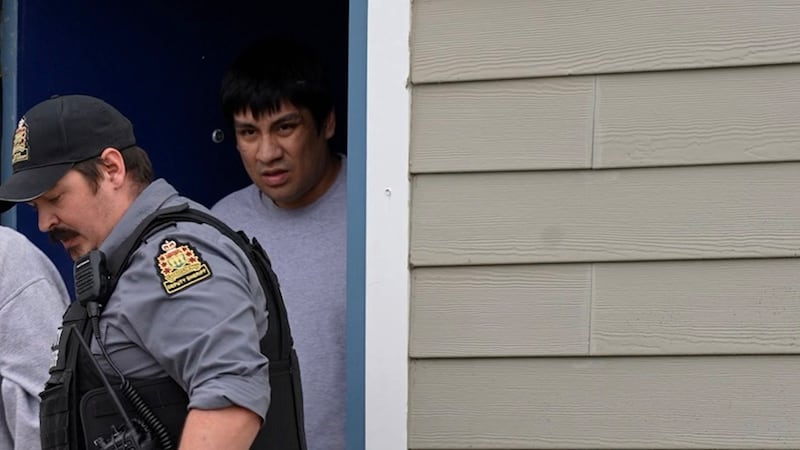
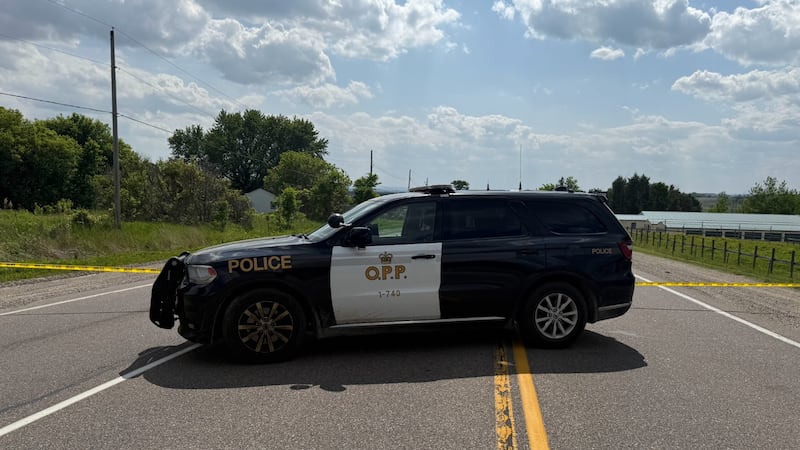
A Sudbury jury has found David ‘Not Nice’ Pusey of second-degree murder in the shooting death of 24-year-old Andrew ‘A.J.’ Mackey, ending a three-week second-degree murder trial that began Sept. 16. Pusey, 31, was also convicted of possession of a prohibited firearm without a licence. He had pleaded not guilty to both charges. The charges stemmed from an altercation outside a housing complex on Louis Street in the early morning hours of Aug. 5, 2023. Greater Sudbury police responded to a weapons complaint at approximately 6:45 a.m. and found Mackey suffering from a gunshot wound to the chest. He was later pronounced dead at Health Sciences North. Jury recommends 25 years Following the verdict, the jury recommended that Pusey serve 25 years before becoming eligible for parole. In Canada, the maximum sentence for second-degree murder is life in prison. The court then dismissed the jury, thanking members for their weeks of service. Defence seeks cultural assessment Defence lawyer Denis Michel is requesting a Morris report — a cultural assessment that allows the court to consider the impacts of systemic anti-Black racism and a defendant’s unique social history when determining sentencing. The case has been adjourned to assignment court on Oct. 27, when a sentencing date is expected to be set based on when the Morris report is expected to be completed. Neither Michel nor assistant Crown Attorney Stephanie Baker commented to media following the verdict. Baker did not make herself available to reporters after court was adjourned. Evidence heard at trial During the trial, the Crown called approximately a dozen witnesses, including people who attended an after-party at the apartment where the shooting occurred. The Crown argued its case was built on multiple independent sources of evidence, including surveillance video and a six-minute timeline between the shooting and the arrest of two men on Notre Dame Avenue. One man matched the description of the shooter and police located a firearm during the arrest. The defence did not call witnesses. Lawyers Michael and Denis Michel suggested gaps in the Crown’s case, including what they described as an insufficient police investigation following the arrests and concerns about witness intoxication affecting recollections of the events. They also pointed to gaps in the surveillance video presented during the trial. With files from CTVNewsNorthernOntario.ca journalist Angela Gemmill