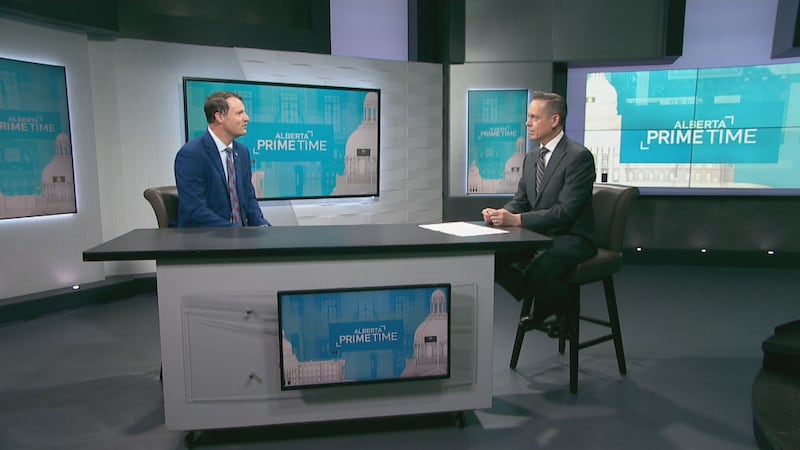
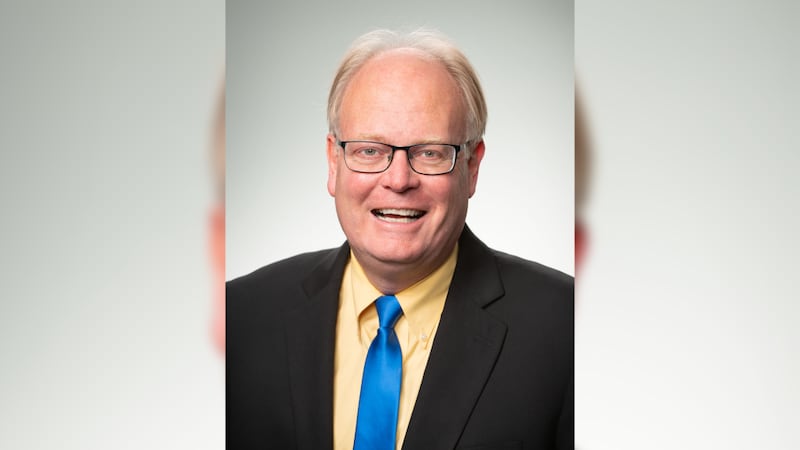
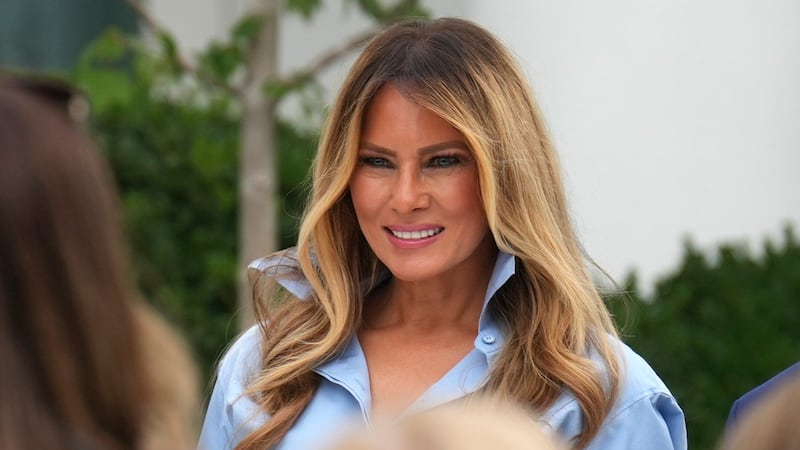
MNA Marwah Rizqy says after seven-and-a-half years as a Quebec Liberal, she was hoping for a different end to her political career. She will see out the rest of this term as an independent after being kicked out of the caucus by former leader Pablo Rodriguez. Since then, she has stayed silent about her decision to fire her chief of staff that ultimately led to a string of scandals and a change in leadership. On Tuesday, she reflected on that decision in an interview with CTV News anchor Matt Gilmour and said she has no regrets. The following article has been edited for clarity and length. CTV: You wrote an op-ed this morning about the lack of funding for fertility treatment in Quebec. Why did you decide to speak up? RIZQY: I just don’t find it normal that here in Quebec, infertility is considered in law a sickness but it’s the only sickness that we have to give a credit card to be treated. Right now, there’s only one treatment that is actually covered by RAMQ, which is not OK, because a lot of people will experience the IVF treatment and see that their first experience would not be successful like I did. It took me two treatments to get my first baby, Gabriel, and then I was lucky when I tried with Abe. I was lucky in the sense that I had the money to pay for my treatments. But I remember when I was at the MUHC Reproductive Centre, I was sitting next to a teacher who told me between the third and the fourth treatment she took a year off, not because she was not willing to go through the process, which is very demanding mentally and physically, but because she didn’t have the money. She was running out of time. She was 40 years old already. I just feel this burden on the parents already, who want to have, one day, their baby. They want to become parents and probably already have the bedroom ready. The only thing that is missing is the baby, because they don’t have the means to pay for it. CTV: How much does it cost? RIZQY: You have to spend at least $10,000 per treatment. If you’re lucky, the first treatment will be successful. Otherwise, it can go up to $40,000 for two, three, or four treatments. Yes, you can ask for a tax credit that will come next year, and it’s only 20 to 80 per cent that will be covered. CTV: So you used IVF treatment for both of your kids? RIZQY: Yes. Unfortunately, a lot of parents experience miscarriages and all the burdens that go with that, but imagine the other financial stress that you go through during the process. I think Quebec should think about the future. For two years in a row, the birth rate is down. It was previously 1.38 kids per woman, and this year we’re talking about 1.33 which is very, very low. I don’t understand, because we spend less than 1 per cent out of the health budget to help people to get kids. I don’t understand that. Doesn’t make any sense. How come a vasectomy is free, but not IVF? CTV: Do you have a sense of how many people are struggling with this in Quebec? RIZQY: That’s actually a very good question because I tried to find the data of 2024. I had to go back to 2011 to find the statistic of one out of six couples who cannot have a baby. I don’t find it OK that here in Quebec, we don’t have data on the rate of infertility for both women and men because we have to know that 25 per cent of all the cases are on the side of the men, and the other 30-35 per cent on the side of the woman. So I find it quite surprising that we don’t have correct data. It’s a high number, and pretty sure it’s an underestimated number. CTV: You’re coming to the end of your political career. Is this what you’d like the last few months in office to be working on? RIZQY: I have a few topics I would like to work on during the rest of my mandate, including education. I’m still doing a conference on the education of boys. I did a documentary on it and I’m still working on two other documentaries. But yes, this is a topic that I find very important to talk about. CTV: You’re nearing the end of your political career. You mentioned in an interview that it’s not the way you would have liked to end it, but you stand by the way you handled the situation with the Liberal Party earlier this year. RIZQY: I spent seven-and-a-half years in my party and I was very intense and dedicated to every topic that I took and I’m grateful for the years that I had. But now, the situation that I had to deal with, I never asked for it. But I had to deal with it and I did it in private. And I do respect the process, including all the investigations that are ongoing. I hope that one day, people will have the full picture. CTV: Do you have any regrets about how it all turned out? RIZQY: You only can control how you react when you’re facing a situation, and the way I reacted was in accordance with all the rules governing me. I am a sitting MNA with a code of ethics, but I’m also a lawyer who has a code of ethics and I truly believe in the rule of law. CTV: You were excluded from joining the Liberal party after the second leadership campaign. Were you hoping to return? RIZQY: I want to say thank you to Charles Milliard because he had the decency to meet me, to call me, to ask me how I was and how my husband was because he’s still part of the Liberal party. He also called me back before announcing the decision and that was a very nice way for him to handle this situation. But now, I’m at peace, and I can only wish well to everyone. CTV: You haven’t said much about it in four months. How has this whole process affected you? RIZQY: It was hard, of course, and hopefully no one will have to face what I did. The same for my husband and my mother, to see all the news, and then you have to go outside and defend yourself. It was hard. But today, I am at peace. CTV: Any plans to come back again in the future after spending some time with the family? RIZQY: No, I said that it will be at least 15 years before I will consider coming back to politics. I just want to go back to what I know, being a law tax professor, back to what I love to do, like research. I don’t see any comeback for me right now.