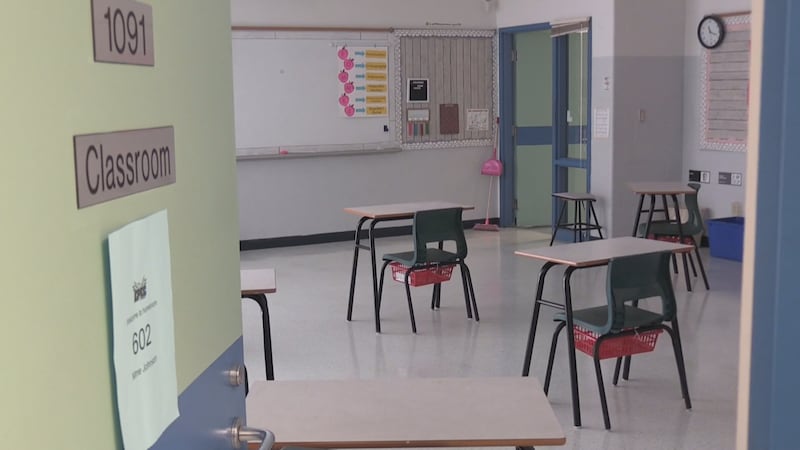
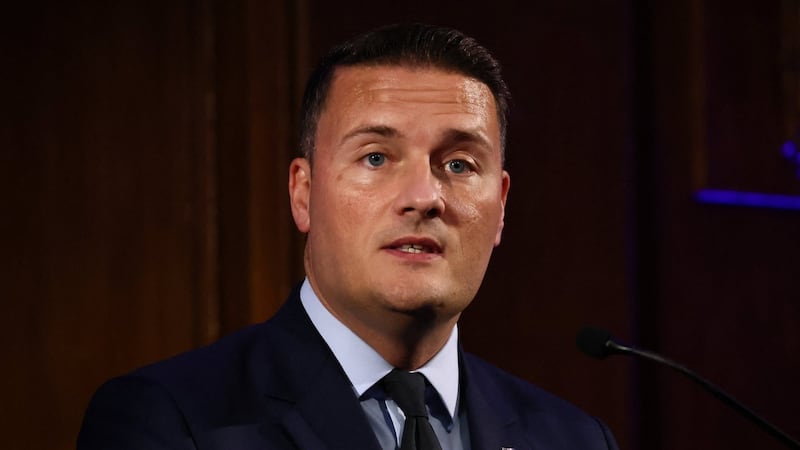
Medical students in Quebec are warning they could be placed at a disadvantage compared to their peers elsewhere in Canada as doctors intensify pressure tactics that have halted teaching across the province. The Canadian Resident Matching Service (CaRMS) process, which determines where medical graduates complete their residency training, is already underway. Applications are being submitted this fall, with interviews scheduled for January and February. Students must complete their internships to remain eligible, but thousands in Quebec have now seen weeks of training disrupted. The Fédération des médecins spécialistes du Québec (FMSQ) suspended all teaching-related duties last week, leaving medical students without instruction. On Tuesday, the Fédération des médecins omnipraticiens du Québec (FMOQ) confirmed it will join the action. Out of roughly 10,000 members, 2,811 took part in the vote, with 91 per cent in favour of pressure tactics. Family doctors will stop teaching sometime next week. Medical students demonstrate To draw attention to their situation, medical students from all four faculties staged a demonstration Tuesday afternoon at McGill University. They say losing internships could leave them less competitive for residency positions, since placements not only allow them to test different specialties but also provide opportunities to secure letters of recommendation from supervising doctors. With programs already at full capacity, it remains unclear how missed placements could be rescheduled. The cancellation of current six-week internships could also delay the entry of about 1,000 new doctors into the workforce next year. Calls to withdraw Bill 106 The dispute stems from Bill 106, which would tie part of physicians’ compensation to performance indicators. The FMOQ, FMSQ, Fédération des médecins résidents du Québec (FMRQ) and Fédération médicale étudiante du Québec (FMEQ) are now united in demanding the bill’s complete withdrawal. In a statement Tuesday, the FMOQ called the suspension of medical education “serious, both for the next generation and for patients,” adding that while doctors’ groups are willing to find solutions, the government must return to the bargaining table. “Patients cannot wait any longer,” the federation said. ‘Ball is in their court’: health minister Health Minister Christian Dubé responded on social media, saying the government has already made concessions to move negotiations forward. Last week’s offer included lowering the proposed portion of compensation tied to access and quality objectives from 25 per cent to 15 per cent, introducing accommodations for doctors nearing retirement, and offering flexibility to reflect regional realities. Dubé urged the federations to return to talks before the parliamentary session resumes. “The ball is in their court,” he said. After discussing the matter together, the two medical federations, the FMEQ and the Fédération des médecins résidents du Québec (FMRQ), announced on Tuesday that they had agreed to jointly request the withdrawal of Bill 106. “Regarding the adoption of Bill 106, the FMEQ went before a parliamentary committee last spring and, like most stakeholders, we lamented that this bill did not provide a real solution to the problems in the health-care system. If the government decides to be closed-minded and not listen to the concerns and demands of the medical federations, we can expect consequences for the healthcare system,” said FMEQ vice-president Félicia Harvey. - With files from Swidda Rassy of CTV News and Katrine Desautels of The Canadian Press