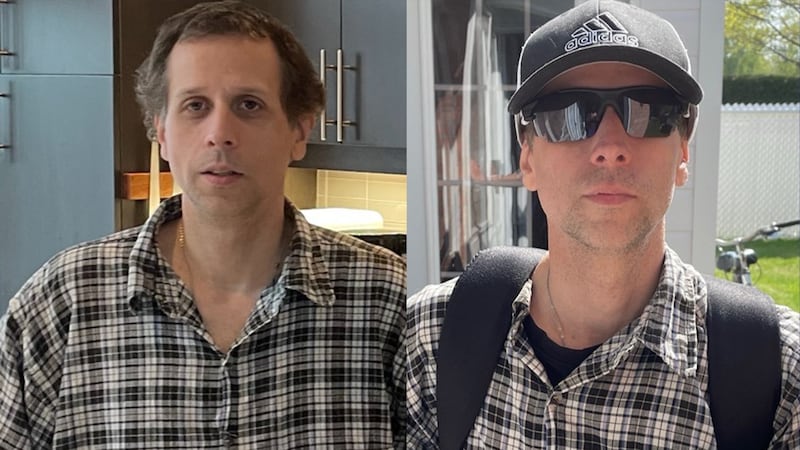
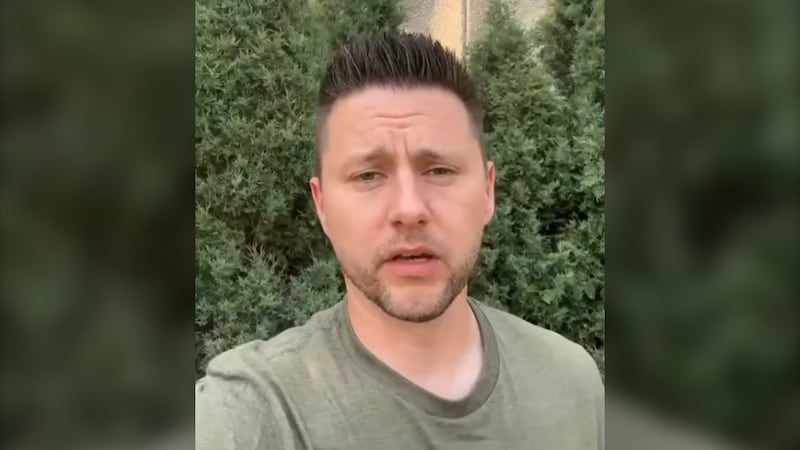
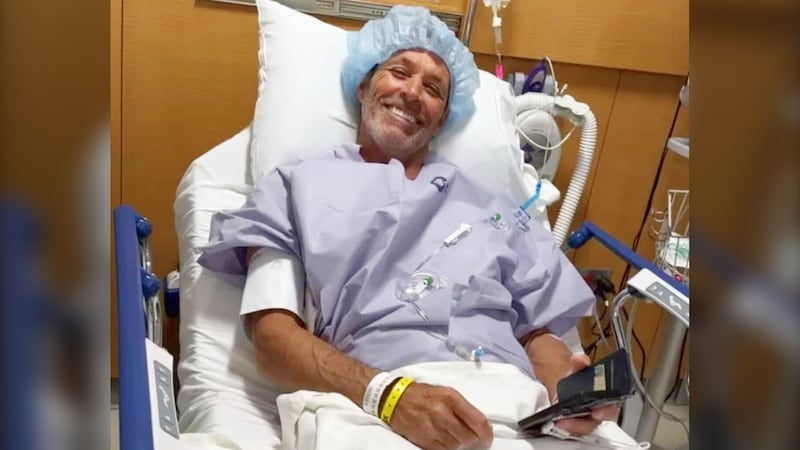
Having reached the end of his rope, Dr. Trevor Hennessey is packing his bags and leaving Quebec. For the Chief of the Department of Anesthesiology at the CISSS de l’Outaouais, Quebec’s new doctor salary law is the “straw that broke the camel’s back.” “I realized I had no more hope for improvements in our region, that the targets would be impossible to meet in this law. After nine years of fighting the government for our region, they’ve succeeded in breaking me, and I knew I just needed to move on,” Dr. Hennessey said in an interview Thursday with CJAD 800 Radio. He says the last several years working in the health-care system in Quebec have put enormous strain on him and his colleagues, and the new law will only make the system suffer even more. He’s not alone. Doctors have been signalling their exodus from Quebec in recent weeks in response to the provincial government’s controversial law, commonly known as Bill 2. The law links a portion of doctors’ salaries to certain performance targets, including seeing more patients, that are set by the government. It also introduces stiff penalties, some reaching a maximum of $20,000 a day for physicians, for “concerted actions” that the government deems to challenge the new policy or slow down their work. Without more resources, doctors fear the new rules are unrealistic and that they’re being set up for failure. Doctors leaving for neighbouring provinces According to the latest figures provided to CTV News, approximately 100 more doctors have applied for licences to work in Ontario in the last week. Since the law was adopted, the College of Physicians and Surgeons of Ontario has received more than 240 applications from Quebec doctors. Of those, 26 certificates of registration have been granted. Doctors are looking to start practising in New Brunswick, too. That province’s college of physicians and surgeons told CTV News on Friday that it has received 70 licence applications from Quebec doctors since the beginning of October, and that so far two licences have been granted. The College of Physicians and Surgeons of New Brunswick said it typically receives three or four such applications in a month. Letter of resignation Opponents of the law also slammed the CAQ for passing Bill 2 under closure, a parliamentary tool that limits debate on proposed legislation and forces an early vote. Dr. Hennessey said he has already submitted his resignation in protest and his last day will be Dec. 31, just before the new law takes effect. He said other doctors are under pressure to make drastic decisions about their professional careers since they are required to give 60 days’ notice before leaving the public system. Highlighting what he calls a dire situation, he said next Monday his region’s trauma hospital is only going to have one operating room out of five open because of a lack of nurses, “while our surgeons and myself, or other anesthetists in my department, are actually going to be sitting at home.” “It’s just really morally distressing to see all this happen,” he said. Hennessey and the heads of medical departments in the Outaouais are planning to hold a press conference next week to highlight the “direct consequences” of Bill 2 on access to care in the region and how it’s leading to an exodus of doctors from Quebec. “These departures add to a long series of human resource losses in a network already weakened by more than $1 billion in cumulative underfunding over the past 20 years. The current situation no longer only jeopardizes the stability of the network: it compromises the quality, safety, and continuity of care for the region’s citizens,” reads a news release from SOS Outaouais, a coalition of organizations and citizens to advocate for the region’s health and social services system. On Thursday, medical specialists asked the Quebec Superior Court to temporarily suspend certain parts of Bill 2, which they call a “draconian law, unprecedented in modern Quebec.” The Fédération des médecins spécialistes du Québec (FMSQ) argues the bill “will significantly reduce the remuneration of medical specialists in just two months,” with the stay application citing income losses from 21.4 per cent to 65.6 per cent for some doctors. The federation says certain elements of the bill are unconstitutional and it “compels obedience and collaboration.” In an attempt to extend an olive branch to doctors’ federations, Health Minister Christian Dubé said he would suspend two parts of the bill. He said doctors would instead be able to keep a premium some doctors receive for a patient referral and a portion of funding for office expenses. Critics of the law were not satisfied. Vincent Marissal, the Québec solidaire health critic, called on Dubé to withdraw the law or reconsider his role as health minister “rather than continuing to worsen the fiasco that we have been seeing unfold for several months.” CAQ members leave in protest The contentious doctor salary law has already cost the ruling Coalition Avenir Québec (CAQ) party two of its members. Lionel Carmant, a pediatric neurologist who served as junior health minister before taking the lead on the social services post, resigned last week in protest of the law. He said his wife and daughter, both medical professionals, were upset by the impact of the law, with this daughter writing an opinion piece in Le Devoir that she had no choice but to seek employment in another province. Then, on Tuesday of this week, the CAQ kicked MNA Isabelle Poulet out of the party after she had discussions with the Quebec Liberal Party. After being expelled, Isabelle Poulet says she was “profoundly disappointed” by how the CAQ government has handled doctors’ remuneration. “The status quo is no longer possible. The health care system must be reformed. But I cannot support the proposed solution,” she wrote in a post on Facebook. “This reform has been poorly conceived and poorly communicated.” Her sharp comments about the law came, however, after she in fact voted in favour of it in the National Assembly along with her CAQ colleagues. With files from The Canadian Press