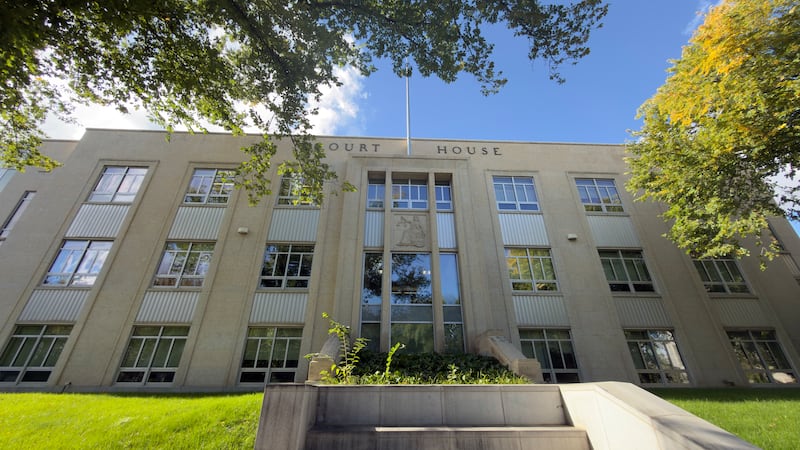
A Plateau-Mont-Royal tenant who has lived in the same apartment for more than a decade went before Quebec’s housing tribunal on Friday to fight to keep their home — and their dog. M Desjardins has lived in the apartment with pets since 2011. But in 2022, when the building was sold to a new owner, a long-overlooked no-pets clause in their lease was suddenly enforced. The new landlord brought the case to the Tribunal administratif du logement (TAL), demanding Desjardins either give up the animals or move out. Desjardins told the tribunal in an emotional speech Friday afternoon that their dog was essential to their mental health and well-being. They once had a cat as well, but it died after the legal battle began. SPCA intervenes The Montreal SPCA stepped into the case, arguing that no-pets clauses are harmful to both animals and people. “This really tears families apart and affects the most vulnerable members of our society,” said Sophie Gaillard, the organization’s director of animal advocacy and legal affairs. She pointed to people living alone, seniors and others who often rely on their pets for comfort and daily companionship. SPCA board chair and lawyer Marie-Claude St-Amant said the court must take the housing crisis into account when weighing the validity of such clauses. “It’s something that is well known by the court — that it’s very hard to find a place to live,” she said. “We need to take those elements into account.” St-Amant also argued that the growing number of abandoned pets in shelters shows the real-world impact of restrictive lease conditions. ‘Not really about animals’ Desjardins’ lawyer, Kimmyanne Brown, who is the co-founder of the firm Défends-toit, said landlords should not be allowed to use no-pets clauses as a pretext to remove tenants. “We are hoping that this case helps other tenants, and prevents landlords from using that clause in the future to evict someone just because they have a dog or a cat,” she said. Brown suggested that the landlord in this case may be using the rule for another purpose entirely. “When the landlord testified, he mentioned that he had no problems with animals,” she said. “That suggests to me that the real issue is the tenant’s rent.” A growing crisis The SPCA says it sees the consequences of restrictive housing policies every day. In the first six months of this year, the organization took in 6,284 animals. Gaillard said more than 2,100 of them were pets surrendered because of housing issues. That figure marked a 32 per cent increase compared to the same period last year. The shelter expects to take in another 4,000 animals by the end of the year. Staff say housing is now one of the top three reasons people abandon their pets — a trend that has continued since the pandemic began five years ago. The SPCA argues that pets should not be treated as disposable property, but as family members and living beings, as recognized under Quebec law. The case is scheduled to return before the tribunal for arguments on Nov. 14 and the outcome could have far-reaching consequences for tenants across the province.