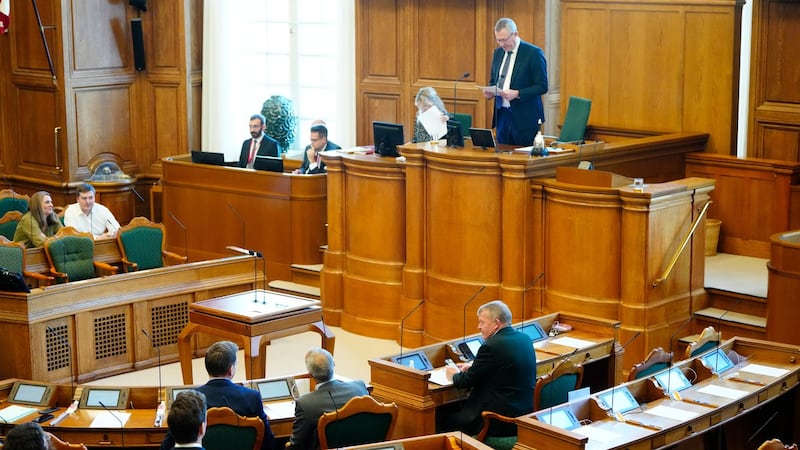
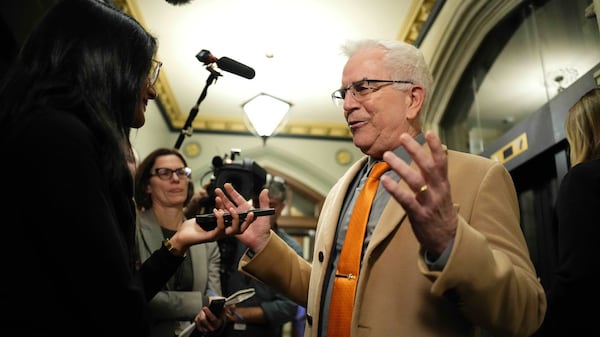
The Parti Québécois (PQ) is vowing to put an end to the twice-annual time change, saying this weekend will “very likely” be the last time Quebecers turn back the clocks. Premier Paul St-Pierre Plamondon took to social media on Wednesday morning to reiterate that his party has “taken a stand several times” against the time change. He pointed to studies showing that the practice is “counterproductive for health and poses adaptation challenges for children.” St-Pierre Plamondon stated that his government plans to “act properly and intelligently” by consulting “all the specialists” in the coming months as part of a parliamentary committee. He said he hopes to determine whether Quebec will remain on daylight time or standard time. If Quebec stays on standard (winter) time, the change would mean that at the summer solstice in Montreal, usually around June 21, the sun would rise at 4 a.m. and set at 7:45 p.m. Not the first time This isn’t the first attempt by a Quebec government to address the time change. In 2024, the former Coalition Avenir Québec (CAQ) government launched a public consultation on the abolition of daylight time. It found that 91 per cent of the 214,000 respondents wanted the time change to end, with 72 per cent wanting to stay on daylight time. At the time, the party did not commit to a timeline for legislation, and nothing came of it. Standard or daylight time? A recent analysis published in the Canadian Medical Association Journal examined multiple studies and concluded that health evidence favours moving to permanent standard time — not daylight time — in part because it better aligns with the body’s rhythm. If Quebec were to move forward with abolishing the time change, it would follow in the footsteps of several Canadian provinces, including British Columbia, Alberta and Manitoba, which ended the practice this year. The three provinces chose to keep daylight time year-round, as has the Northwest Territories. In Ontario, certain regions in the northwestern part of the province are set to also maintain daylight time year-round to align with Manitoba. In 2020, Ontario passed a law to make daylight time permanent, but it has not yet taken effect. READ MORE: The province noted that coordination with its neighbours, such as Quebec and New York, was essential. Saskatchewan has not changed its time since 1966, while the Yukon ended the practice in 2020. The time change is set for this weekend, with Quebecers expected to “fall back” and rewind their clocks by one hour at 2 a.m. on Sunday, Nov. 1. With files from The Canadian Press.