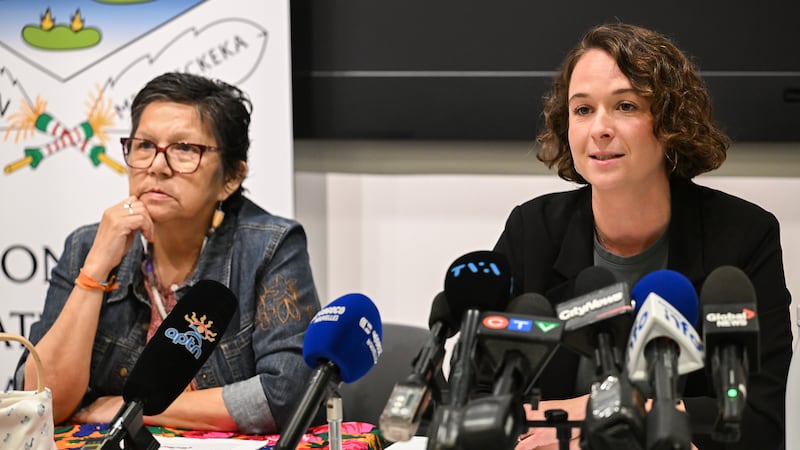
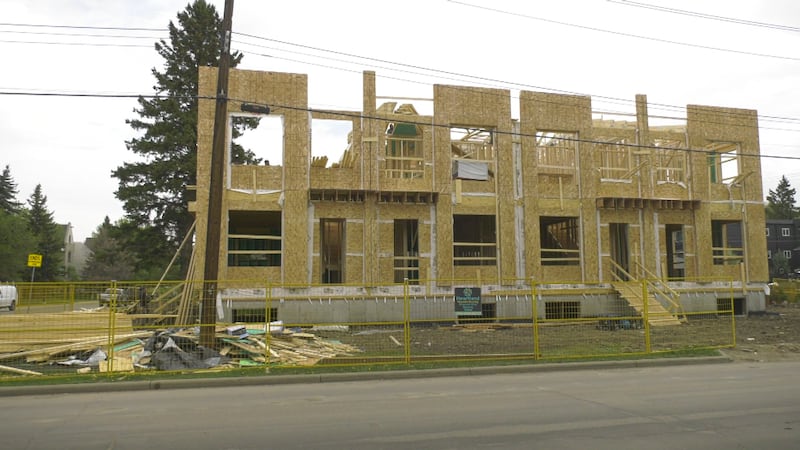
Despite record demand, bureaucratic red tape is slowing the process of opening more shelters for victims of domestic violence. Some shelters have had their projects greenlit but say conflict between the federal and provincial government funding is halting their construction. Constance Laurin of Alliance MH2, a network of women’s shelters, said the funding for three projects that were approved was withdrawn. “Because we had to meet the demands from provincial structure, we no longer meet the demands of the federal. It’s one way or the other and it’s really a big maze where we are running against the clock,” she said. She added that three more projects need to be greenlit before construction can start. “We are ready to do so but we cannot do it until we have the answer from the federal on how much money we’ll have,” she said. But the need is urgent. SOS Violence Conjugale, one of the province’s first-line services for women escaping domestic violence, received more requests for shelter than ever in 2024-2025. Of the nearly 20,000 request, over half were turned away. Quebec has seen seven femicides so far this year. “It’s really unfair because we’re talking about the safety and the lives of women and children victims of conjugal violence,” said Laurin. “The demand right now exceeds the capacity, so that’s an issue. That project was supposed to bring 70 new places for women and children and victims of violence to go, but now we are stuck.” The Canada Mortgage and Housing Corporation (CMHC) told CTV News it is working with the organizations to make the shelters happen and remains flexible when it comes to project deadlines. “If the file remains inactive and does not progress despite this flexibility granted by CMHC, the sums conditionally withheld are then redirected to avoid penalizing other similar projects in the pipeline and ultimately to avoid delaying units to support people in need of shelters and transitional housing,” it said. It said organizations that exceeded the deadline and whose funding has been declined can submit a new application. “CMHC recognizes the urgency for increasing the number of shelters and transitional housing units in Quebec and across the country. Shelters and transitional housing provide women and children fleeing violence safe places to turn to, providing the foundation they need to rebuild their lives, heal, and gain independence,” it said in a statement. Quebec’s Housing Ministry also stressed that combatting violence against women is one of the government’s top priorities. It said the Société d’habitation du Québec (SHQ) is monitoring project costs and supporting organizations to make sure as many projects are completed as quickly as possible. But Laurin is still worried about what will happen to Alliance MH2’s projects. She wants the government to put its money where its mouth is. “We need support from the governments, from Mr. Legault and Mr. Carney, to ensure that we have the capacity to meet the needs because right now that’s not the case,” she said. “We want to see accountability and leadership from the government for long-term solutions.” Some of those solutions include dedicated program for women and children victims of domestic violence, building transitional housing, and greenlighting projects in the works. With files from CTV News Montreal’s Kelly Greig