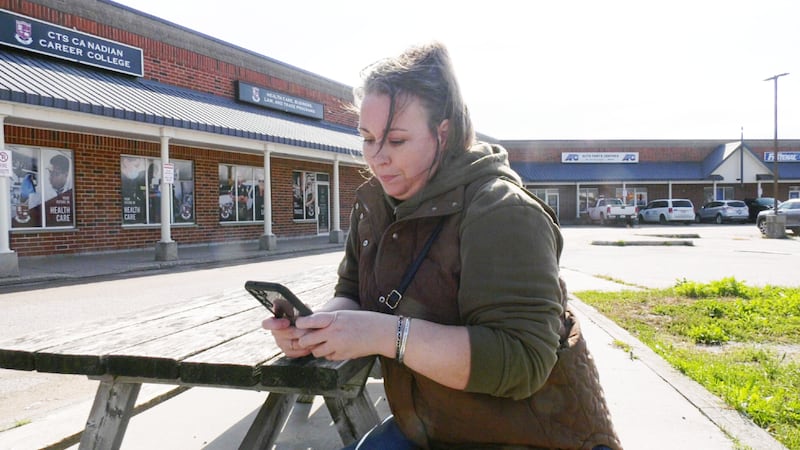
Rashelle Campbell, a Cree textile designer based in Edmonton, says SSENSE owes her over $10,000. With the company having filed for creditor protection, she isn’t sure when she’ll be paid. “I literally just felt like I got slapped in the face,” she told CTV News. “Having to work with them for four years now and not have that type of respect for my business really was gut-wrenching.” On Thursday, the Montreal-based fashion platform told its staff it is filing for creditor protection amid plans for company restructuring. CTV obtained a copy of the letter sent to employees. Campbell’s collaboration with SSENSE began in 2021. She designed colourful hand-tufted rugs and flower candlesticks exclusive to SSENSE with an April 2025 deadline and says she received a 30 per cent deposit. She says everything went smoothly on her end — she shipped her products to Montreal in March and the collection hit the shelves a few weeks later. She then sent her invoice, which was meant to be paid by May 26. She says they then pushed the deadline to June, which passed without payment. “I just didn’t really hear from them, and I kept following up,” she says. Her cheque is now 14 weeks overdue despite her collection having been available to purchase for months. Her rugs on the website retail from $700 to $2,550. In a statement, SSENSE said it is working “tirelessly and in good faith” with financing partners to recapitalize the business amid financial stress. It also said its primary lender placed the company under CCAA (Companies’ Creditors Arrangement Act) protection and started “a sale process without our consent.” It added it will file its own CCAA application to safeguard the company and retain control of its assets. It did not address the issue of non-payment for artists. “I just don’t know what else to do other than contact a lawyer,” says Campbell. “When the news broke yesterday, it kind of all made sense as to why they were being so sneaky about this. I do feel that they’ve had financial woes for a long time, and they never really communicated that, and just kept doing purchase orders with vendors.” Campbell then decided to take to social media and put the retailer on blast. Her Instagram post about SSENSE owing her money has over 1,300 likes, 100 comments and was shared extensively, including by other artists. As one of the few Canadian brands and Indigenous artists in SSENSE’s catalogue, she feels especially disappointed by the experience. She says she had some hiccups with the retailer in the past, but nothing as serious as non-payment. “You’re always risking it when you have a small business and you’re working with bigger retailers, you truly are,” she says. “A lot of the contracts, they pay you once they receive the product, but you’re really trusting them, and you’re trusting this relationship you have with them.” She says that small businesses should receive money up-front instead, as losing upward of $10,000 could put her out of business. Now she hopes SSENSE will pay her in full despite its financial troubles.