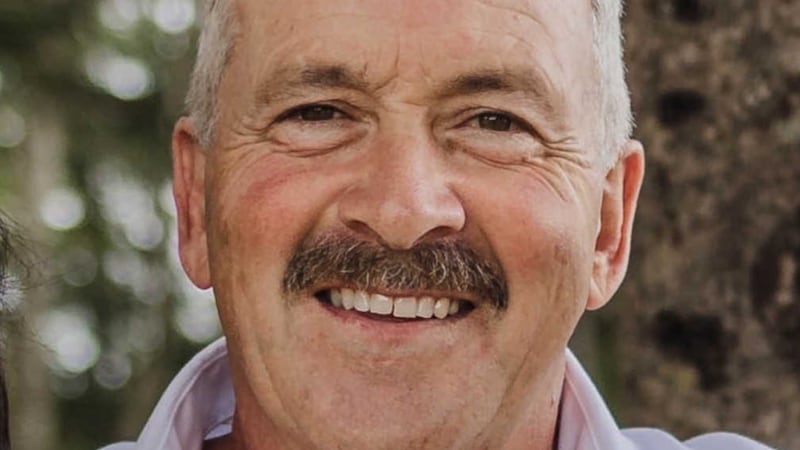
A new treatment for blood cancers is giving some patients a second chance at life, and it all began in a Montreal lab. But the treatment is not yet available in Canada. François Lucas Alzate was diagnosed with leukemia for the first time in 2014. Six months later, he was in remission. In 2015, the cancer came back, and doctors told him he needed a bone marrow transplant. “Sadly, the hospital was not able to find a compatible donor for me,” said Alzate. He seemed to be out of options until his doctor suggested an experimental treatment called UM171 cell therapy, designed specifically to fight blood cancers. The process begins with doctors collecting stem cells from a baby’s umbilical cord. In a lab, those cells are multiplied using the UM171 molecule. After the patient undergoes chemotherapy to destroy the cancer, they are then infused with lab-grown stem cells, similar to a blood transfusion. For Alzate, the treatment worked. “I am cancer free. The treatment worked well,” he said. Canadian approval still years away Anne Marinier is the head chemist in the lab that developed UM171. She is also the principal investigator at the Institute for Research in Immunology and Cancer (IRIC) at Université de Montréal. “It saves lives, so I think it’s a breakthrough,” said Marinier. Hematologist Guy Sauvageau, also a principal investigator at IRIC, explained that the therapy helps rebuild the patient’s immune system. “About 15 days later, it will reconstitute your entire blood system,” said Sauvageau. UM171 was first developed in 2014 and has since helped 120 patients worldwide. Last month, the European Commission fast-tracked the approval process for the therapy. But in Canada, Sauvageau says approval is still years away. More testing is needed, and the regulatory process is expected to take time. “This is more like five years from today,” said Sauvageau. He hopes the European authorization will pave the way for similar authorization in Canada. Alzate, who is now 33, says he is grateful that he received the treatment as part of the clinical trial. “I think it probably saved my life,” he said.