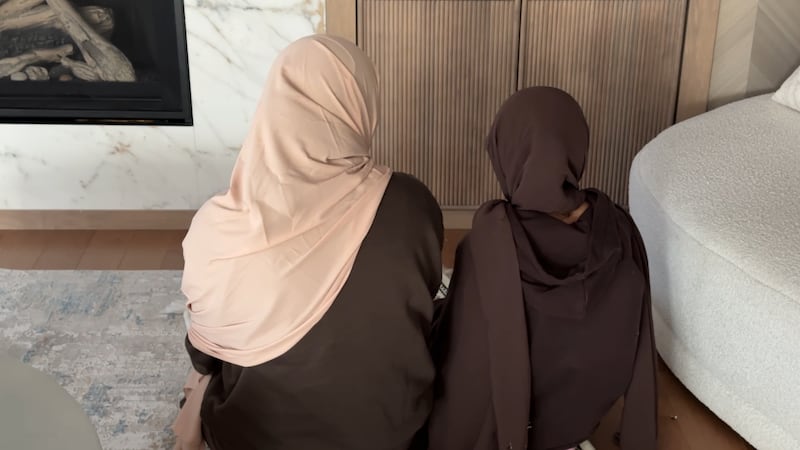
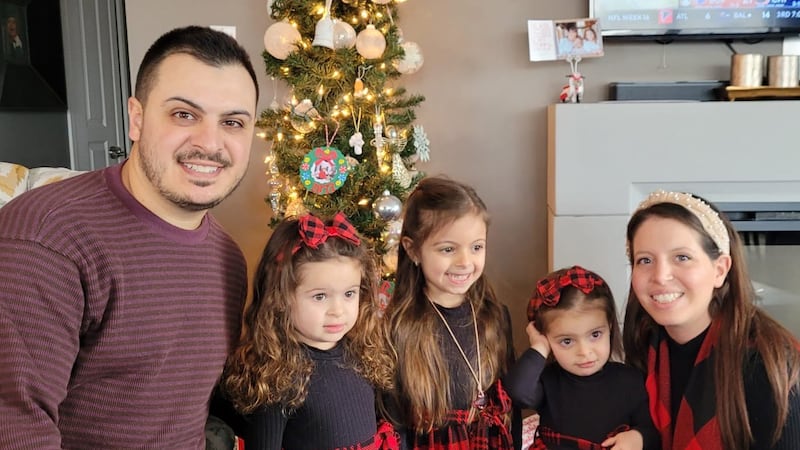
Amid a proposed ban on religious symbols among elementary school students by Quebec’s provincial government, an 11-year-old girl may be forced to leave her school behind - because she decides to wear a hijab. Mother, Mehwaish Raja, says her daughter started wearing a hijab last August as a personal choice. CTV News is protecting the identity of Raja’s daughter at the family’s request. However, Raja says her daughter’s decision was so meaningful that it inspired her to wear a hijab herself. The proposed student ban would go beyond Quebec’s existing secularism law, Bill 21, which restricts certain public employees from wearing religious symbols. The Supreme Court of Canada will rule on the constitutionality of Bill 21 on Friday. While the case doesn’t address students, it could influence the broader debate on religious expression in Quebec. “If the government is going to decide that they are going to remove certain symbols from being in the school, then they should make a decision for everybody that it should be uniform for everyone. So your hair color should be the same? Should your skin color be the same? Should your eye color be the same?” Raja asks. “It’s not fair for our religion. It’s like a sign, like a crown that I am modest and I wear it cause I’m happy with it,” Raja’s daughter explains. CTV News reached out to Quebec’s Ministry of Education for comment but did not hear back in time for publication. Meanwhile, lawyer Pearl Eliadis says the proposed measure in schools has several human rights law implications. “You’re obviously dealing with discrimination on the grounds of religion first and foremost - but also in this case, on the grounds of age and possibly parental status because of the religion of the parents, which would often be passed on, especially to small, you know, younger children,” Eliadis says. The Parti Québécois’ idea would not affect private schools. Though it would be a tough decision, Raja says she and her daughter would be prepared to make the move to private school to continue practicing their religious beliefs.