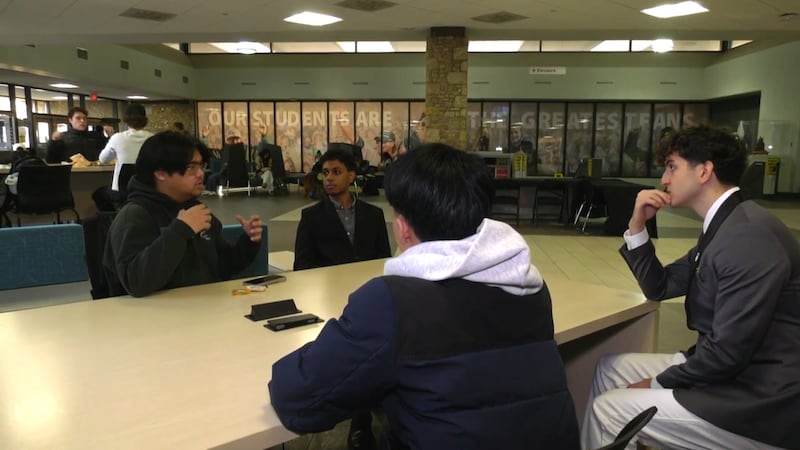
Londoners headed to polling stations Monday to cast their ballots in the 2026 municipal election, with incumbent Mayor Josh Morgan and a field of challengers vying for the city’s top job. Voting is open from 10 a.m. to 8 p.m., with unofficial results to be posted on the City of London’s website as they become available after polls close. Morgan arrived at his polling station with his 18-year-old daughter, while first-time mayoral candidate Kirsten Krose also brought her daughter along to vote. Mayoral candidate Susan Stevenson says she voted in the advance polls, and was out canvassing voters on election day. For many Londoners, voting was an opportunity to take part in the democratic process and encourage others to do the same. “I just wanted to model a civic engagement for my son, start him early,” said voter Michael Yang. “And it’s, you know, very important to be involved.” Imaan Saeed said she believes voting matters because of the people who fought for the right to participate in elections. “So many people have fought for our ability to be able to vote,” Saeed said. “So yeah, I think it is important that even our little vote will make a difference.” However, not everyone who went to the polls was able to cast a ballot. Jesse Clay said he was unable to vote after discovering his name had been crossed off the voters’ list by mistake. “The rest of my family went into an advanced poll last week, and I’ve just come in to vote today, and it turns out they accidentally crossed my name off instead of my 19-year-old’s name,” Clay said. “So I am not able to vote today.” The experience raises questions about how election officials handle potential errors and ensure votes are counted accurately. Matt Farrell, a politics professor at Fanshawe College, said human error is possible but that safeguards are in place to help protect the integrity of elections. “Now these things don’t happen very often,” Farrell said. “And generally speaking, there are some procedures in place and oversight and redundancies to ensure that that kind of thing doesn’t happen.” Farrell said that when errors do occur, they are typically isolated and unlikely to change the outcome of an election. He added that recounts are a normal part of election administration and may be triggered when results are particularly close, depending on the rules in place. “For London… if it’s a really close election that looks like a tie, that’ll be a recount,” Farrell said. There are different types of recounts, Farrell explained. Administrative recounts are conducted by election officials, while judicial recounts can be ordered through the courts in certain circumstances. A candidate who believes there was a problem with the counting process may also seek to have a recount ordered by a judge, he said. Despite the possibility of isolated errors, Farrell said voters can have confidence in the overall process. “By and large, our elections are safe and they’re reliable,” he said. “And Londoners can feel confident that their vote is being tabulated and reported accurately.” More information about the election is available on the city’s election resources webpage.