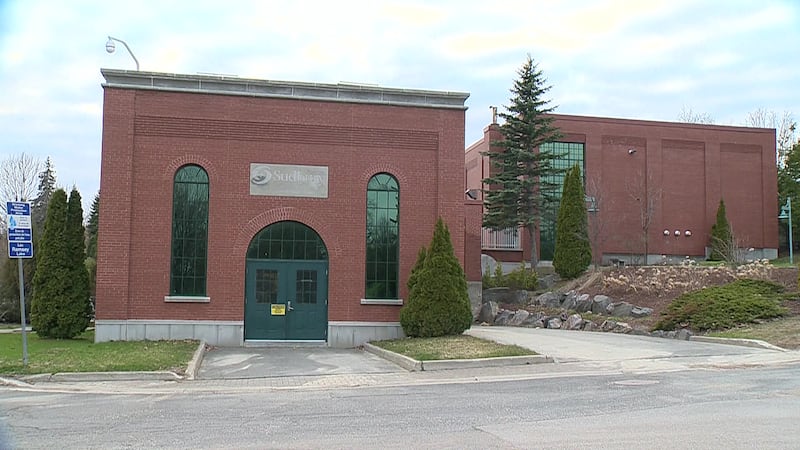
Confirmed measles cases have prompted the closures of two high schools in Kitchener. The Waterloo Region District School Board (WRDSB) said at least one illness was linked to Eastwood Collegiate Institute. Students and staff there were told they may have been exposed to the virus on May 7 and May 8, in a statement posted on the school’s website and on the front door of the school. Eastwood Collegiate Institute was closed Thursday and the school board said it would remain closed on Friday. Public health officials said the person who has measles was last at the school on May 8 but they only found out about the confirmed case Wednesday. “It’s still too early to know whether this has been transmitted,” said David Aoki, the director of infectious disease for Region of Waterloo Public Health. “Most people who may have been exposed won’t start developing symptoms… until day seven. But it can be anywhere up to 21 days after their exposure.” The school board said public health would contact anyone who may have had direct exposure to the contagious illness. The region said it is up to the school boards to make a decision to close a school but it would be done to for the safety of students staff. Officials said those who aren’t fully vaccinated would be more susceptible to measles and ask those people to be extra cautious. “Avoiding people who have children under one [year of age], pregnant individuals or again, those immunocompromised persons.” said Aoki. Aoki said they are not suggesting strict isolation unless symptoms develop. An infectious diseases specialist, Dr. Isaac Bogoch, told CTV News the decision to keep kids home after a potential exposure at a school might be the right move. “The key thing here is communicating not just to the students, but also to their parents and the family members, that day there was a potential exposure,” Dr. Bogoch said. Matthew Tenenbaum, the associate medical officer of health at Wellington-Dufferin-Guelph Public Health, said no matter what community, measles in a school setting is risky. “If you have someone who is infectious with measles inside a school, others who are inside that school are at risk of being exposed. And a single case of measles in a school can have a dramatic impact on that school population,” said Tenenbaum. Another high school closure The Waterloo Catholic District School Board said it decided to close St. Mary’s Catholic Secondary School on Friday after they learned of a confirmed measles case. They said the call was made “out of an abundance of caution and to help limit potential exposure to measles.” “This closure allows Region of Waterloo Public Health the time needed to identify and connect with staff and students who may not be fully immunized with the measles, mumps and rubella (MMR) vaccine,” they said in a statement to CTV News. “We continue to work closely with Public Health, and the situation is being assessed daily, with each case carefully considered. At this time, no decision has been made regarding the need for continued closure beyond Friday. We expect to provide our school community with an update by Monday.” Measles in Waterloo Region and Wellington-Dufferin-Guelph Public Health Ontario also released its latest measles update on Thursday. Between Oct. 18, 2024 and May 13, 2025, a total of 1,622 cases were reported across the province. That’s 182 more infections since the previous report on May 6. Public Health Ontario also showed 59 measles cases in Waterloo Region, an increase of 11 in the last week. Wellington-Dufferin-Guelph Public Health reported seven new illness as of May 13, bringing their total measles cases to 53. The infections reported by Public Health Ontario may not be reflective of the actual number of cases in each region. The agency said their totals should be considered as tentative due to a lag in reporting. What to know about measles Measles is a highly contagious virus. The disease can spread through the air when an infected person coughs, sneezes or breathes. Even brief exposure to measles can result in illness. Symptoms include a fever, runny nose, cough, red watery eyes, small white spots inside the mouth and a red blotchy rash. Other signs of measles include diarrhea, ear infections and pneumonia. In severe cases, measles can cause brain inflammation and death. It usually takes between seven and 21 days for symptoms to show up. Anyone who believes they may have been exposed to measles is asked to stay at home and avoid contact with others. If medical treatment is needed, people are urged to contact their health provider ahead of time to prevent the illness from spreading to other patients. - With reporting by Heather Senoran