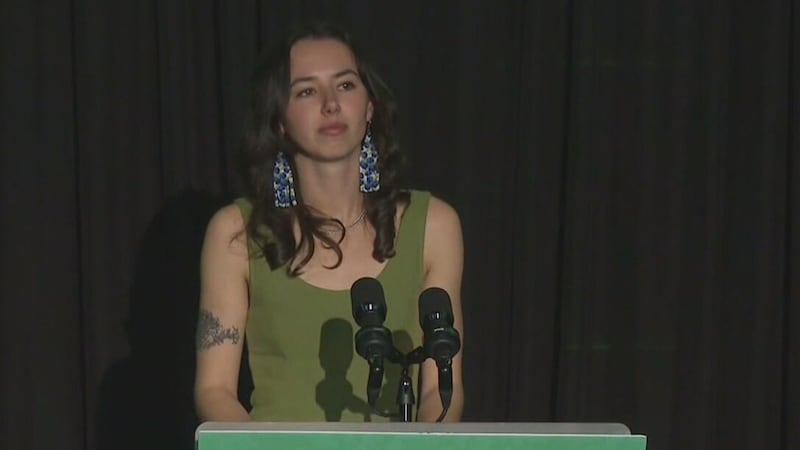
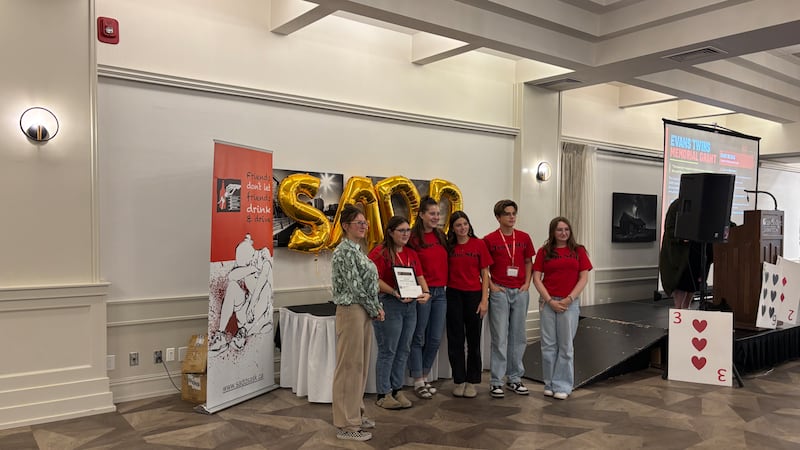
A rally in Waterloo Public Square on Saturday raised concerns about taxes applied to virtual disability programming, which organizers say can cost clients up to thousands of dollars each year. The event brought together disability advocates, community members and political figures to highlight what they view as a gap in Canada’s tax policy. While in-person disability support programs are typically tax exempt when government funded, organizers said this does not apply to virtual programming. “There’s a specific section of the tax code that stipulates that in order for a support service for a person with a disability to be tax exempt, it has to occur at the location of an establishment, which means in person,” said organizer, Abigail Murphy. “The only reason that this is the case is because prior to [the COVID-19 pandemic], virtual services were virtually non-existent.” Murphy said many people rely on online programs because they are more accessible and affordable. She said without tax exemptions, however, costs can be significant. “It’s a lot. It’s anywhere from hundreds to thousands a year,” said Murphy. “And that’s [a lot of] money, especially when we’re talking about a population that is so underserved and does have a lot of financial stress on them nationwide. Thousands of dollars, $100 makes a really big difference at the end of the day.” Murphy raised the issue in 2024 with then–Green Party MP Mike Morrice, who represented Kitchener Centre. “[Murphy] helped me understand, I hadn’t realized this before, that folks with disabilities are exempt from in-person services but often make use of virtual services as well,” said Morrice, calling the policy gap an “oversight”. “...She asked if I would sponsor a petition and I was so glad to do that.” After Morrice lost his seat earlier this year, Murphy worked with Green Party Leader Elizabeth May, who agreed to sponsor the petition again. “…She sponsored it again, which means that it will be able to get read out in the House of Commons and that will require a response from the federal government,” said Morrice. At Saturday’s rally, attendees signed the petition, carried signs and contributed to a community banner. For families like Frances and Kyle Stuart, who attended the event, the issue is personal. “I do all the financing for Kyle, so, I knew [the programs] were being taxed but I was never sure why,” said Frances, Kyle’s mother. “It’s been a struggle since he’s been a child. The day programs are over $110 a day, and our funding will run out in six months and then we have to pay out of our own pocket. [The Ontario Disability Support Program] doesn’t help with that.” “There’s a real fight to get all this tax free in some way because [programming] does help them connect with other people,” added Frances. “They’re a very isolated community… virtual helps because they get to know people from all over North America. Kyle has quite a few friends online and when he’s having a sad day, he can go on one of those programs and [it puts] a smile on his face. But the funding needs to be so much more and the taxes need to be gone.” Petition e-6674 remains open until Oct. 27. Once it closes, May will table it in the House of Commons and the federal government will have 45 days to respond.