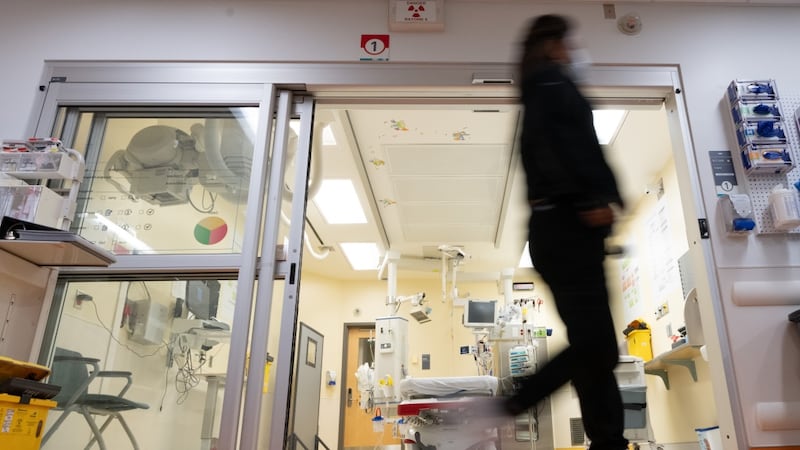
As the season of colds, flus and respiratory viruses approaches, Saskatchewan is trying to protect its youngest residents from a nasty virus. The province has expanded its immunization program for respiratory syncytial virus (RSV) to include all newborns, beginning Oct. 1. In the past, only high-risk infants and children received immunization, which had to be administered monthly for the duration of RSV season. This year, Saskatchewan will administer a different immunization to the public. “It’s a single injection that will last throughout the RSV season, so at least five months,” said Rachel Leavitt, manager of the RSV Immunization Program. In some studies, the antibodies from the immunization protected against severe RSV for up to eight months, she added. Babies born between Oct. 1, 2025, and March 31, 2026, are eligible to receive the injection with parental consent. The shot can be administered before they leave the hospital. Most infants and young children won’t need to get the immunization again, according to Leavitt. “Typically, RSV most significantly impacts infants in their first RSV season,” Leavitt said. “By their second RSV season, most babies… have more of a robust immune system and their lungs are more developed. So, they’re not at such a high risk of severe RSV for their second season if they’re otherwise healthy.” ‘We got very lucky’ Kayla Jakubowski and her husband Matt Temple wish the expanded immunization program was available when their son Barrett was born. Barrett tested positive for RSV when he was one year old. He was lethargic, had laboured breathing and eventually his fingertips and lips turned blue, according to Jakubowski. Temple rushed him to the hospital where he went into cardiac arrest. “He was on a respirator. They didn’t think he would make it,” Jakubowski recalled. “The first three days were very touch-and-go. But he somehow made it, and we got very, very lucky.” Barrett, who is now three years old, still deals with the lingering effects. He was diagnosed with an acquired brain injury after going into cardiac arrest. “After you’re told something like that, you don’t really know what’s going to happen,” Temple said. Doctors didn’t know if Barrett would ever be able to get out of bed by himself. Two years later, he has learned to eat, sit and talk on his own. He’s now learning to walk. “Seeing him do all these things and progress every single day is nothing short of a miracle,” Temple said. While Barrett’s doing well, his parents are still on high alert during cold and flu season. “I worry every time he starts to get a runny nose or a congested chest. I go into panic mode,” Jakubowski said. “This time of year is the worst. I know I personally get a lot of flashbacks from what happened.” They encourage other parents to consider getting their newborns immunized. ‘A game-changer’ Pediatric respirologist Dr. Darryl Adamko called the RSV immunization “a game-changer.” “Babies are not designed to handle a bad infection,” he said. “RSV is particularly nasty, and it affects the smallest airways of people. That’s where babies really can’t handle this problem.” The immunization won’t stop all RSV infections, Adamko said, but it can drop hospitalizations by around 70 to 80 per cent, which would free up space for other patients. “Every year, the biggest reason that we have hospital beds taken up is with babies from November to March,” Adamko said. Manitoba and Nova Scotia are also expanding their RSV immunization programs. Ontario, Quebec and the Northwest Territories introduced this immunization last year. Leavitt called the injection “extremely safe,” adding no cases of serious reactions have been reported.