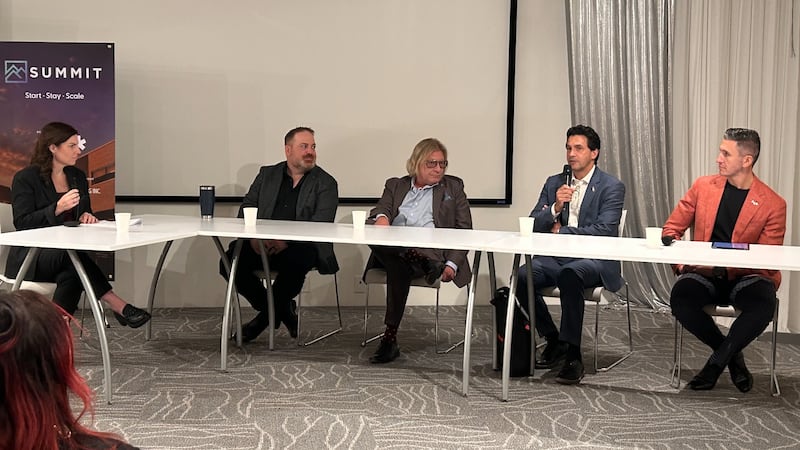
NEW WESTMINSTER — Conservative Leader Pierre Poilievre rolled out his strategy to tackle drug addiction Sunday. Campaigning in British Columbia, Poilievre announced a plan to fund recovery treatment for 50,000 people facing addiction. According to a Government of Canada website, 50,928 deaths attributed to opioids were reported between January 2016 and September 2024. Speaking from a conference room in New Westminster, B.C., Poilievre said a Conservative government would provide treatment centres with set amounts of funding based on the number of months they keep their clients drug-free. Poilievre said that under the new funding model, organizations that “successfully” get people off drugs would receive funding and would be paid more for dealing with “harder cases.” A “causal drug user” who is trying to break the addiction might not need much funding, he said. “It could be 10 or 15 counselling sessions for that person,” he added. Poilievre said more funding would be provided for more complex cases, such as individuals facing homelessness. He also said a government led by him would cut off funding to organizations running harm reduction programs. “Those organizations and interest groups who have been contributing to and complicit in the distribution of high-powered opioids and the harm production programs will be cut off, and they will be totally ineligible for any funding,” Poilievre said. He said a Conservative government would expand access to recovery services with “proven track records.” A Conservative Party social media video posted earlier in the day estimated the cost of the party’s addiction recovery program at $250 million per year for four years. Poilievre said the Conservatives would fund the program by making cuts to the federal government’s existing safer supply programs and suing opioid manufacturers. He said a Conservative government would shut down drug consumption sites and ban them from operating within 500 metres of schools, hospitals, daycares, playgrounds and other places where the community is vulnerable. “Let’s be clear. These drug consumption sites do not work,” Poilievre said. -- Written by Craig Lord in Ottawa and Nono Shen in New Westminster, with files from Catherine Morrison This report by The Canadian Press was first published April 6, 2025.