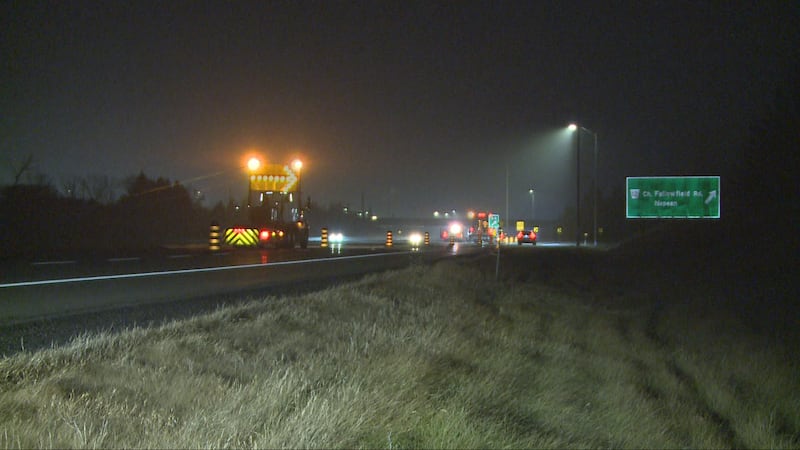
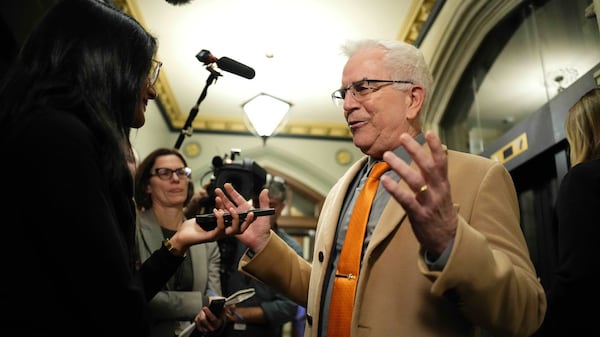
With the days growing shorter and the clocks staying put this weekend, some Albertans could find themselves struggling to rise and shine. Dr. Joanna MacLean, medical director for the sleep lab at the Stollery Children’s Hospital, says staying on daylight saving time is going to mess with some people’s mornings. The sun coming up winds our internal clock, MacLean said, and the extra hours in the dark could make it more difficult for people to get out of bed and get going. Consequences extend beyond waking up on the wrong side of the bed, she added. “Not getting that sunlight in the morning is going to make us all more sluggish, less alert, and there’s a lot of safety implications,” MacLean explained. “Lots of people on the roads who aren’t quite as alert as they could be … potentially more car accidents that involve pedestrians because they’re not as alert in the morning.” “There’s also going to be safety risks in terms of some kids who are old enough to walk to school,” she added. “It’s now going to be dark.” Jessica Lamarre, director of Edmonton’s Safe Mobility Strategy, said “children are among the most vulnerable road users.” She said there were 849 weekday crashes in playground zones during the school year (September to June) between Jan. 1, 2024, and March 31, 2026. Two-thirds of the crashes were between November and March, the darkest months of the year, and 20 per cent of those happened between 7 a.m. and 9 a.m. On Alberta Time, the sun won’t rise in Edmonton until 9 a.m. by Nov. 15, according to data from timeanddate.com; by Dec. 2, daylight won’t appear until 9:30 a.m.; and by Boxing Day, Edmontonians can expect to stay in the dark until 9:50 a.m. After a week of almost-10-a.m. sunrises, morning light will gradually rebound, though the city won’t see a sunrise before 8 a.m. again until mid-March. “That causes the challenge of visibility,” Carrie Herrick-Fitzgerald, Alberta Motor Association Childhood Safety program manager. “Drivers have an important role to play in this in terms of slowing down (and) being cautious, especially around areas where there are schools or playground zones.” RCMP data on pedestrian crashes shows that in 2025, half of the 110 pedestrians hit between 7 a.m. and 9 a.m. were hit within the 8 o’clock hour. Herrick-Fitzgerald said morning commuters can help protect kids by avoiding school zones during busy drop-off times, which range between 8 a.m. and 9 a.m. “They don’t have to add to the congestion of busy streets around schools,” she said, adding parents dropping off can help by parking nearby and walking the rest of the way together. “Having that adult with you as a younger student is very helpful to ensure that there’s those safe crossing practices,” Herrick-Fitzgerald said. Students can stay safe by adding visibility, too, she said; for example, by wearing bright-coloured clothing or adding reflective accessories. Lamarre said the city is always reviewing safety in school zones and that the city’s 2027-2030 safe mobility strategy includes continuing upgrades to playground zones, such as improved signals and crossings. Alberta Time kicks in on Sunday. When Premier Danielle Smith announced in April that Alberta would be ditching the time change, she said she believed Albertans would prefer later sunrises in winter over very early sunrises in summer. “I think on balance they would probably agree with the majority that daylight savings is the way to go,” Smith said. Swapping the clocks twice a year has its own risks and has been associated with spikes in crashes or sleep problems. Studies have even found that rates of heart attacks increase slightly on the Mondays following the spring forward. MacLean, a sleep scientist, isn’t against giving up the biannual time change and the problems it can cause – but she says Alberta got it wrong. “What all the sleep organizations in the world would recommend is that we stay on standard time, not stay on daylight saving time,” she added. “I do hope the government is going to collect data to assess whether this is something that is helpful or potentially harmful to Albertans.” Smith has said there could be a 2027 vote on swapping to permanent standard time, depending on how Albertans adjust. “No one’s shy of telling me what their opinion is, and so I’m sure we’ll get a gauge on whether or not people think that we’ve made a mistake,” Smith said. With files from CTV News Edmonton’s Nahreman Issa