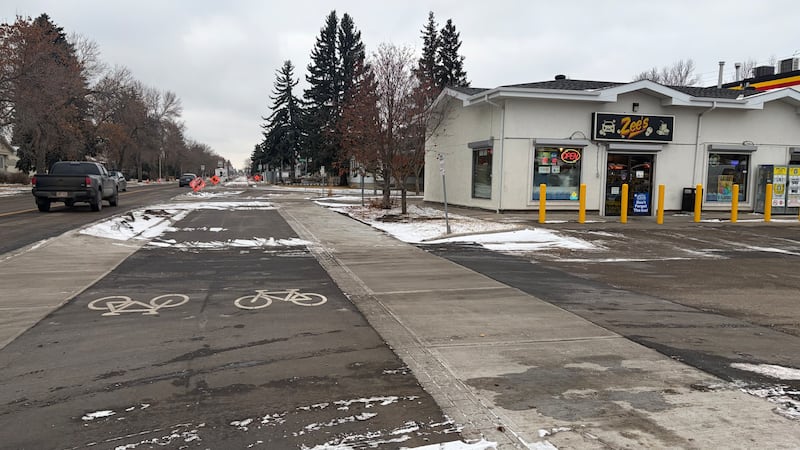
While public clashes over infill and bike lanes might paint a picture of discontent in Alberta’s capital city, a new report suggests that most Edmontonians love to live there. The Vital Signs 2026 report found 81 per cent of participating Edmontonians said their city was a great place to live, 78 per cent said they were proud of it and a whopping 91 per cent viewed Edmonton as a “diverse and welcoming” place. The Edmonton Community Foundation report combines data from a survey of more than 1,000 Edmontonians and research on families from the University of Alberta. It measured quality of life using three core drivers: financial security, community participation and a sense of belonging. Affordability was a big factor, with one in three households struggling to meet monthly finances and 64 per cent of Edmontonians saying they expect life to get even more expensive in the next year. Rent and mortgage payments topped the list of financial worries for a third of all households and even more for families with small children. Despite those pressures, Edmontonians found ways to enjoy life in the city. According to the data, 46 per cent of Edmontonians actively participated in the community, rising to 61 per cent when looking at families with children under six. And, the people who engaged more were happier; residents who reported higher community activity were twice as likely to report a strong sense of belonging and a positive quality of life. In fact, the report found that for households with small children, a sense of belonging was more important than infrastructure or affordability. “This finding suggests that helping young families thrive is not only about reducing financial pressures. It is also about creating opportunities for connection, participation and community belonging,” the report read. The report makes a series of recommendations based on its findings, which the authors say would help residents with long-term stability and well-being. They include expanding free or low-cost community programming in public spaces, addressing affordability pressures around housing and groceries, and investing in libraries, community leagues and recreation centres. You can find the full report here.