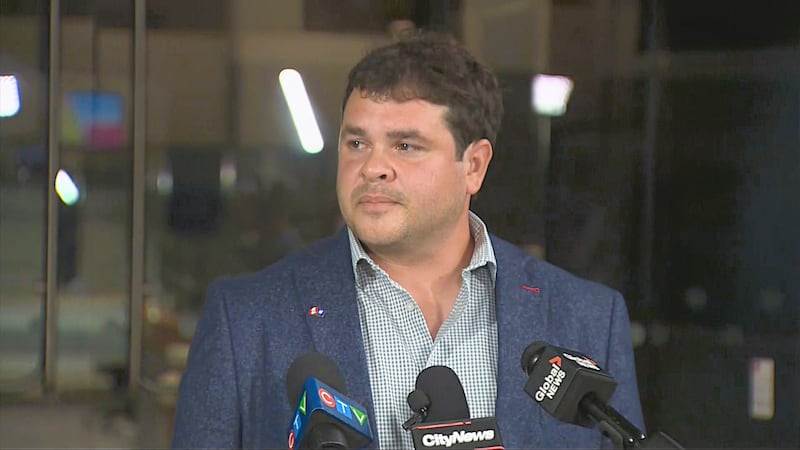
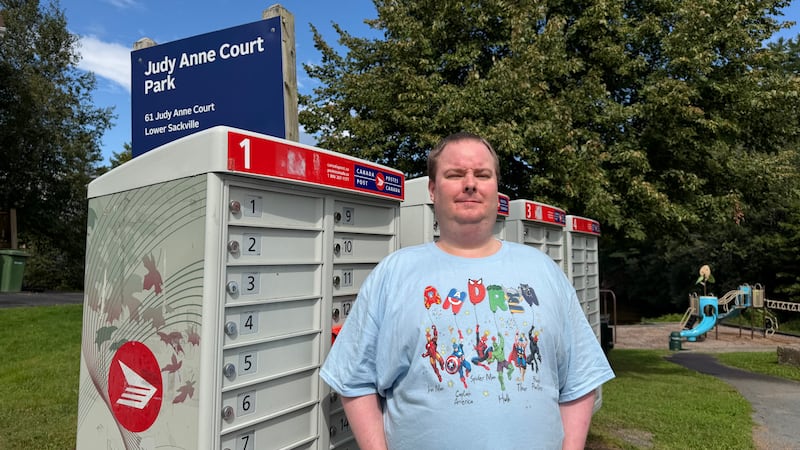
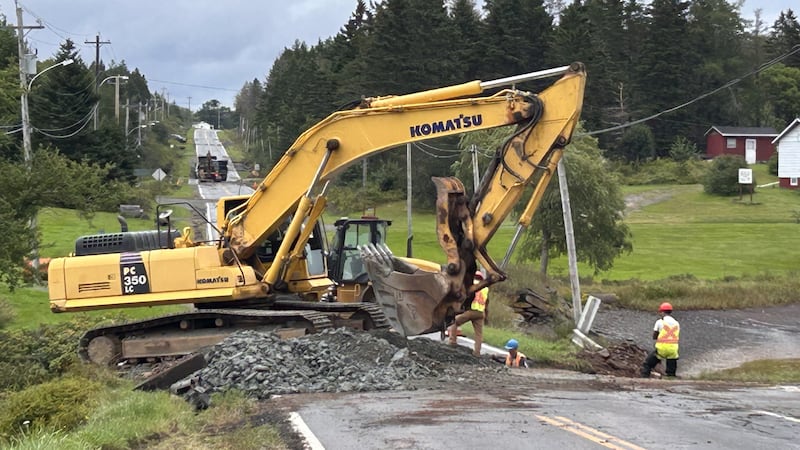
While ongoing downtown construction can be annoying for road users across the board, a local accessibility consultant says it’s more serious for people with mobility issues. “It’s sort of like a puzzle in terms of piecing together your route a lot of times, because the sidewalks are ripped up,” said Zachary Weeks. “You have to go on into traffic, so that poses additional risks and dangers.” Weeks spoke with CTV News Edmonton on Thursday about work on the 107 Avenue Revitalization project, which includes installing new street lamps, drainage upgrades and new pavement. That work began in August last year and is expected to last until the fall. In some areas, temporary planks are broken or missing. Weeks said navigating the patchwork can be a bit like playing a game of “snakes and ladders.” “You think you’re good, and then all of a sudden you get to an area that’s a dead end, and then you have to go back and recalculate,” he said. In its accessibility policy for people with disabilities, the city requires that contractors submit a plan that includes maintaining access for pedestrians including people with mobility aids. In a Thursday statement to CTV News Edmonton, the City of Edmonton said contractors are responsible for maintaining all temporary infrastructure on construction sites, including walkways, ramps and access boards. However, it added, that infrastructure can be damaged due to weather, use or vandalism. “In this particular area, the contractor has reported that temporary materials such as wooden ramps are occasionally stolen or tampered with, which may impact site conditions,” the city said. “The city continues to work with the contractor to respond to these issues promptly when identified.” Weeks said he approves of the city’s accessibility policy, but he would like to see more done to help mitigate the impacts of construction, such as consulting with local non-profits to ensure accessibility when sidewalks and roads are ripped up. “It’s really a matter of building upon the policy, which is still quite new, and implementing those strategies around communication, pre-planning, partnering with maybe non-profits in the area to help get the word out,” he said. “Instead of just throwing a board down and calling it good, you know, making sure that we put in the extra effort to implement proper infrastructure to get people such as myself up and over any sort of torn up areas,” he added. With files from CTV News Edmonton’s Miriam Valdes-Carletti