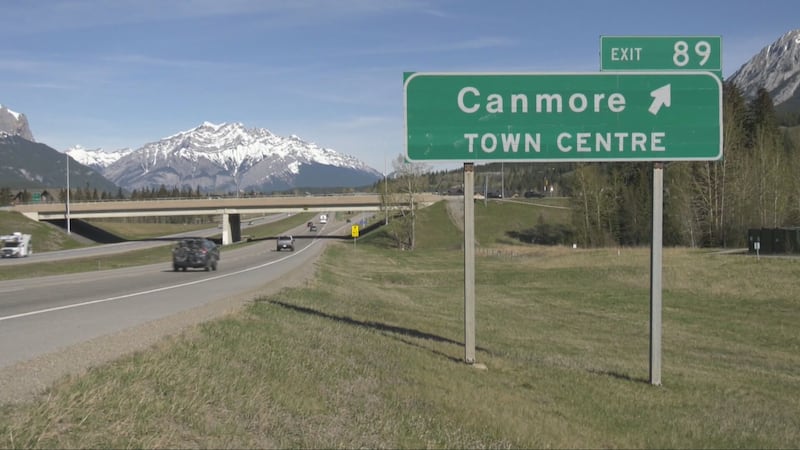
On Nov. 1 at 2 a.m., parts of Canada will set the clock an hour back as Daylight Saving Time ends. The prairie provinces and British Columbia will not follow suit. Alberta moved to permanent daylight time under legislation tabled in April. The switch, dubbed “Alberta Time,” or ABT, is on Mountain Daylight Time. It means longer dark mornings in the winter as the clocks will not fall back this year. The government has said eliminating clock changes aligns with its provincial and territorial neighbours: B.C., Yukon, Saskatchewan, the Northwest Territories and most recently Manitoba. Alberta Premier Danielle Smith – whose predecessor, Jason Kenney, previously held a referendum on moving to permanent daylight time that was unsuccessful by a margin – said Albertans should try year-round daylight time for one year before making a final decision. With only a couple weeks to go before the annual time change, Edmonton sees the sun rise just before 8 a.m. and set just before 7 p.m. On Monday, some Edmontonians told CTV News they were bracing for the dark. “For me, especially in the construction field, it’ll be a bit difficult given that we start early, around 7 a.m.,” Bernadine Otieno said. “It’s a bit difficult … There are some things you can’t do, especially in construction, unless there’s light.” One B.C. native, who gave her name as Edythe, told CTV News Edmonton the lack of time changes in both her home province and Alberta was “stupid, ludicrous, moronic.” “Did it ever occur to those who make the decision that, at 8 a.m., when kids are walking to school, they’re now walking to school in complete dark?” she said. “It’s less of a concern for myself, I’m retired. I don’t have to go out on the street if I really don’t want to. But I have a lot of friends who are still working, and it is a major concern.” But some shift workers, like Edmonton nurse Suzie O’Dell, says she’s actually looking forward to not having to adjust to a time change. “Especially when you’re springing it or falling back, you get an extra hour of work,” she said. She says she just doesn’t understand “why now.” Sleep and circadian researchers have previously denounced a move to permanent daylight time, arguing that standard time year-round would be the best for most people’s bodies. There is also a motion before Parliament to have a nationwide consultation on switching the clocks. With files from CTV News Edmonton’s Curtis Goodrum and Alex Antoneshyn