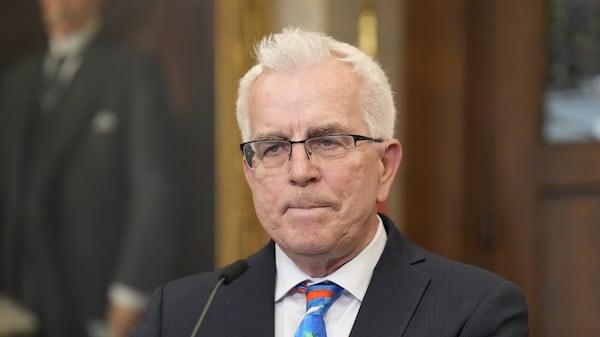
Government of Alberta employees have voted to strike. Alberta Union of Provincial Employees (AUPE) reported on Tuesday that members voted 90 per cent in favour of strike action. AUPE represents about 23,000 workers in provincial jobs ranging from administration, law enforcement and social work – including Alberta Wildfire. The union said it has been in bargaining for more than a year for higher wages, improved working conditions and job security. It informed members on April 16 that talks had broken down. Until 2017, Alberta public sector workers did not have the legal right to strike. More than 80 per cent of members in eight locals took part in the historic vote, which began May 8. “This is the first time in our 106-year history that we’ve taken a vote like this, and we’ve been working hard to make sure our members are involved and engaged,” said AUPE president Guy Smith. AUPE said the results have been delivered to the Alberta Labour Relations Board to verify and confirm. The union has not set a strike date, saying the vote is valid for 120 days but that the bargaining committee remains focused on reaching a deal. “Our goal is to go back to the negotiating table with the employer, crystal clear, aware that we have the full backing of our members,” Smith said. “They spoke loud and clear. And I hope the government is listening and says, OK, let’s get a deal at the table.’” At the Alberta legislature Tuesday afternoon, Finance Minister Nate Horner called the 90-per-cent strike mandate “unfortunate.” “I think it’s somewhat predictable,” he added. “I know in the union’s messaging, they’ve been saying, ‘We need this strike vote to get a better deal from the (Government of Alberta).’” The province has applied for a lockout, but Horner did not say if it would be used. “No decision has been made nor will it be, I don’t think, in the coming days,” Horner said. “They’ve said they want to come back to the table ... we’ll take them at their word.” Horner said he’s confident the province is offering a fair deal and that there are contingency plans in place in the case of a strike – including an essential services agreement he said would cover about 6,000 of the 23,000 employees. The impacted AUPE locals include: