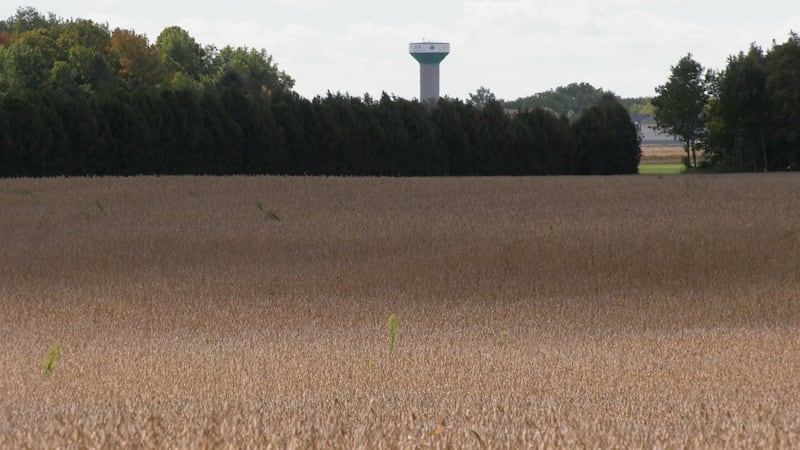
The Alberta government is looking to make a name for itself in the whisky business by creating its own liquor product – and it used artificial intelligence to draft up the proposal. Bill 24, the Alberta Whisky Act, would establish a legal definition for a new product known formally as Alberta Whisky. It was tabled in the legislature Tuesday afternoon. Province-specific requirements would include the alcohol to be mashed, fermented, aged, proofed and bottled entirely within Alberta with locally sourced ingredients and 100-per-cent Alberta water pre-distillation. It would also have to include at least two-thirds Alberta-grown grains. The proposed changes are an effort to bolster the province’s agricultural industry, anchor its growing whisky sector and allow producers to distinguish their products from broader Canadian whisky, according to a news release from the province. The Alberta Whisky Act is also the first-ever bill in the province and possibly across Canada to be drafted using artificial intelligence. Alberta red tape reduction minister Dale Nally previously told reporters AI was a tool used in many sectors that the UCP government believed could also assist politicians. In a Tuesday press conference, he confirmed the AI draft was a “good first step” but he did not anticipate a future where AI would write all the province’s legislation alone. “We’ve said all along that we’re not going to let AI write the legislation, and we’re just going to take a seat at the back of the room. We said that there’s going to be eyes on this every step of the way,” he told reporters. He said the government used AI to analyze data but was “human-reviewed.” “AI tools like Microsoft Copilot 365 and Gemini Enterprise were able to analyze the data and create a base for our legislative drafters to build off,” said Jonathan Gauthier, press secretary to the Ministry of Technology and Innovation, in an emailed statement. “Human oversight was included in every step of the process and legislative drafters and legal experts reviewed every clause of the bill and adjusted as appropriate prior to legislative review committee approval.” Giving Alberta whisky a ‘clear identity’ Generally, Canadian whisky is required to be mashed, distilled and aged in the country and must “possess the aroma, taste and character generally attributed to Canadian whisky,” according to federal food compositional standards. While all Alberta Whisky would qualify as Canadian whisky, not all Canadian whisky would meet an Alberta Whisky standard. Distillers can opt not to produce Alberta Whisky but still make other whisky products that fall under federal standards. Both types of whiskies are required to be aged at least three years in small wood and must contain no less than 40 per cent alcohol by volume. Legal flavouring is approved for both products and other alcohol products blended in must make up no more than 9.09 per cent of the total alcohol content. The province says it pulled from production standards around the world for its whisky regulations, including Scotland, Ireland and the United States, each of which hold standards for maintaining the authenticity of regional whiskies. The goal is to give Alberta whiskies a “clear identity” for better authenticity and brand recognition, a news release said. Jordan Ramey, CEO of Burwood Distillery, said the move was laying the foundation for an “Alberta whisky trail” that would emulate the success of other regions that have done similarly. Kentucky’s $9-billion industry in bourbon, for example, helped inspire the push. “We are the breadbasket of Canada, we are the grain producers, we make wonderful whisky and have been for decades, so why not us too?” he told reporters. While the current value of the whisky industry was not immediately available at the press conference, Nally said the legislation should be a “significant economic driver.” There are currently 45 whisky-producing distillers in Alberta. Should Bill 24 pass, the industry would self-declare ‘Alberta Whisky’ products. The Alberta Gaming, Liquor and Cannabis (AGLC) office would enforce the standards. The province noted that the AGLC would use its existing operations to oversee inspections. The act would not affect pricing, retail availability or access to whisky in the province, the release continued. With files from CTV News Edmonton’s Sean McClune and The Canadian Press