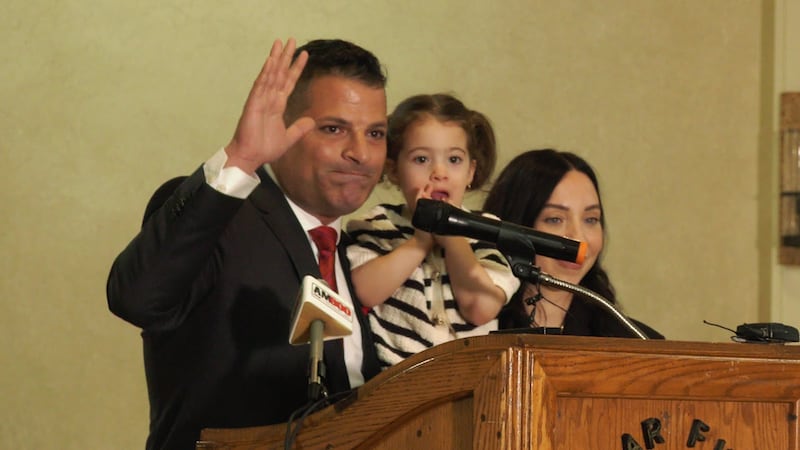
A central Alberta landowner is frustrated with what he calls the province’s plans to dump unpaid oil-and-gas property taxes onto taxpayers. Dwight Popowich, who owns an orphaned well 120 kilometres east of Edmonton near Two Hills, says industry should be held accountable. For years, he was owed money from property taxes of an oil-and-gas company. Popowich went through Alberta’s Land and Property Rights Tribunal (LPRT), and while he is getting paid back, he wants it known that it’s tax dollars that are being used to do it. “It shouldn’t be landowners or taxpayers having to pay anything for any of this problem that’s been created,” Popowich told reporters on Tuesday at the annual convention of the Rural Municipalities of Alberta, which represents dozens of municipalities and counties. On Monday, the Property Tax Accountability Strategy working group released recommendations in a new report as part of a provincial plan to force oil and gas companies to pay municipalities. The stakes are high. Unpaid property taxes by some in the energy industry is a long-standing issue, with Alberta’s rural communities owed more than $250 million as of last year. “This is about giving our energy regulator the mandate and the tools to make sure that these situations don’t happen again in the future or are more quickly dealt with when they do,” Premier Danielle Smith told delegates on Tuesday at the convention. In a statement to CTV News Edmonton on Tuesday, the office for Energy Minister Brian Jean says the independent, industry-funded Orphan Well Association “has decommissioned wells on Mr. Popowich’s land and we are now at the vegetation growth stage of getting a final reclamation certificate. Like all landowners who are owed surface rents, Mr. Popowich can apply to the LPRT and receive the compensation he is entitled to.” Municipal Affairs Minister Dan Williams told reporters on Monday that while the report is a path forward, the unpaid money to date is likely gone forever. “The majority of past arrears are fundamentally unrecoverable,” Williams said. “We can’t go back and collect from companies that don’t exist anymore.” There are no recommendations in the report for individual landowners. “This report that’s just come out is another one of those times where they’re ignoring us,” Popowich said. For him, it’s not a viable solution for other landowners. While oil wells close up shop, it leaves landowners with the responsibility of potential leaks. “We know that a lot of the inventory is now in the hands of small companies (that) are either on the verge of bankruptcy,” Popowich said. “They aren’t included in this latest report.” Williams said the new policies contained in Monday’s report would give the provincial energy regulator “real teeth” when it comes to enforcement. “There’s no reason we can’t have strong enforcement going forward, and that’s what this is about,” he said. The report says the recommendation to require oil and gas companies to stay on top of their property taxes as a condition of having an operating licence is an example of the “teeth” the province could give the Alberta Energy Regulator, or AER. “While the AER can take certain actions in response to non-payment under specific circumstances, municipal tax obligations are not formally embedded within the licensing regime itself,” the report says. “By making tax compliance a fundamental requirement of responsible resource development, this approach seeks to strengthen both prevention and recovery of tax arrears.” The report also calls on the province to prevent companies not in good standing for property taxes from acquiring new leases or wells. It would replace the current rule, which says companies more than $20,000 behind aren’t able to acquire new leases. Another recommendation would see the province create a financial support program that municipalities could turn to when they experience major shortfalls in payment from one or more companies. Further recommendations call for improved data sharing among rural municipalities, the province and the energy regulator. Williams said the government will review the proposals over the next few months. With files from CTV News Edmonton’s Miriam Valdes-Carletti and The Canadian Press