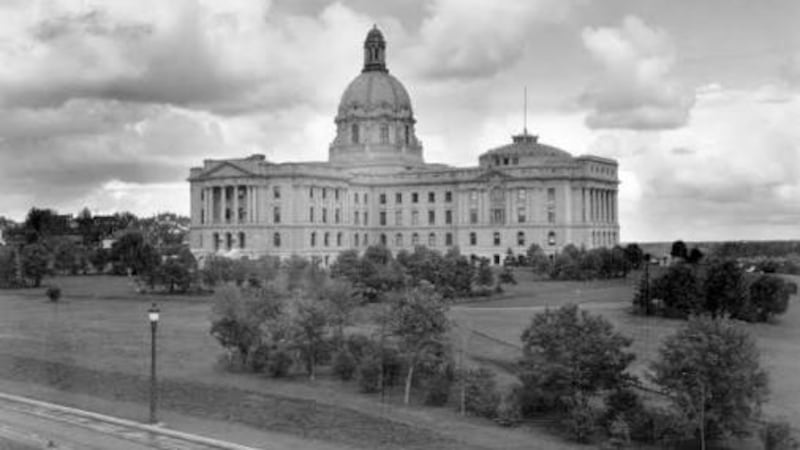
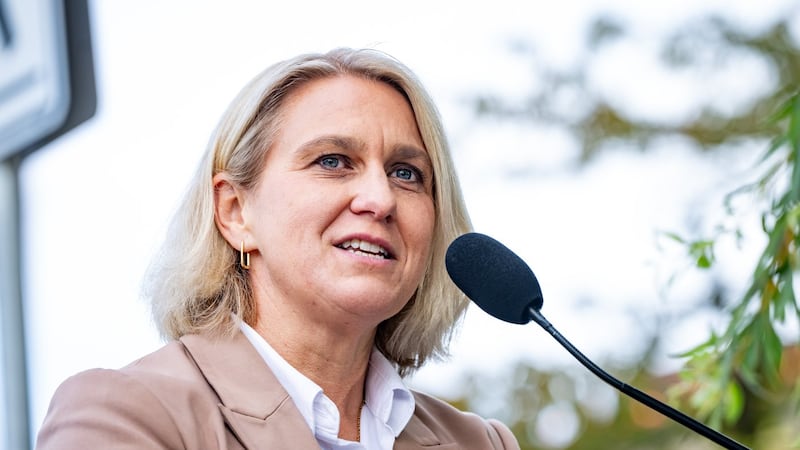
A group of First Nations chiefs in Alberta are calling for politicians to show greater respect for treaty rights in the wake of recent events that have stirred up discussion of the province separating from Canada or joining the United States. Chiefs representing First Nations in the province under Treaties 6, 7 and 8 condemned the Alberta government’s passing last month of Bill 14, called the Justice Statutes Amendment Act 2025, which allows citizen initiatives to skirt the Constitution and propose a referendum on independence. That’s what one independence movement is hoping to do after Elections Alberta, at the beginning of the month, approved the Alberta Prosperity Project’s proposed question on the ballot, asking, ‘Do you agree that the province of Alberta shall become a sovereign country and cease to be a province in Canada?’ An Alberta judge had ruled in early December that the question violated the constitution. A few days later, the province passed the bill, changing the rules for citizen-initiated referendums. The Alberta Prosperity Project’s initiative needs to collect at least 177,732 signatures before May 2. Sturgeon Lake Cree First Nation Chief Sheldon Sunshine, echoing the other leaders in attendance, said Thursday at a media conference held in Edmonton the assembled leaders “strongly oppose any petition calling for a separation referendum” and that they take recent developments regarding potential Alberta separation seriously. Sturgeon Lake Cree Nation, Athabasca Chipewyan First Nation, Siksika Nation, Piikani Nation and the Blood Tribe are all suing the province over the changes to law allowing the separation petition, arguing it violates their rights. An Alberta Justice department spokesperson told CTV News Edmonton in a statement on Thursday that the provincial government “recognizes and honours Treaty rights as recognized by section 35 of the Constitution Act, 1982. As this matter is before the courts, Alberta’s government does not have any specific comment on this lawsuit.” The chiefs referenced news over the last week surrounding Alberta involving the U.S., including Treasury Secretary Scott Bessent calling the province “a natural partner” and saying his country “should let them come down into the U.S.” And a report from the Financial Times, citing sources, said leaders of the Alberta Prosperity Project have met three times with U.S. State Department officials in Washington since April, prompting B.C. Premier David Eby to describe the confab as “treason” on Wednesday while attending meetings between Canada’s premiers and Prime Minister Mark Carney. Mitch Sylvestre, who is spearheading the Alberta Prosperity Project’s petition for a referendum, said last week he doesn’t think anyone in his movement wants to join the U.S. “We’ve seen what’s happening south of the border,” Sunshine said. “(Bessent’s invitation) wasn’t a joke. It was a serious signal of how others see this province’s political direction. Every Albertan should take that seriously.” Pressed to describe how they viewed those reported meetings in Washington, Smith and Carney did not call them treasonous. “I would expect that the U.S. administration would respect Canadian sovereignty and that they would confine their discussion about Alberta’s democratic process to Albertans and to Canadians,” Smith said. “And I will raise that with my delegate in Washington so he can raise it with members of the administration. And I’ll raise it with my delegate with Ottawa so he could raise it with the U S. ambassador.” Carney initially sidestepped the question, opting instead to discuss his work with the premiers on economic policy. When pressed, he parroted Smith’s words. “I fully associate myself with Premier Smith’s comments just then. I expect the U.S. administration to respect Canadian sovereignty,” he said. “I’m always clear in my conversations with President Trump to that effect and then move on to what we can do together.” Smith said she has always been clear that she and her cabinet support “a strong and sovereign Alberta within a united Canada.” But she said polls suggest about a million Albertans have “lost hope” after what she called a decade of relentless attacks by the federal government on Alberta’s resource economy. “I’m not going to demonize or marginalize a million of my fellow citizens when they’ve got legitimate grievances,” she said. Jeff Rath, a lawyer for the Alberta Prosperity Project who attended the meetings with U.S. officials, pushed back on the claim that his actions amounted to treason or were criminal in any way. ‘We are private citizens. We don’t have the authority to enter into any agreement on behalf of the province of Alberta," he said in an interview. “We have not entered into any agreements with the United States with regard to anything. We have not solicited funds from them. We are not receiving funds from them, et cetera, et cetera.” The chiefs, some of whom also charged that the referendum question is stoking racial discrimination in the province, said they expect their treaties to be upheld. “Alberta was never a party to treaty and has no jurisdiction over our lands,” Treaty 8 First Nations of Alberta Grand Chief Trevor Mercredi said. “We’re here to fight and stand strong against this discussion around separation, and how it’s impacting our people and our communities.” Treaty 6 First Nations of Alberta Grand Chief Joey Pete said “it’s a scary time, but at the same time, we’re here to assert our jurisdiction.” “It’s a difficult time when we talk about unity and alliance, when Alberta just continues to disrespect treaty,” Pete said. “Alberta sovereignty is illusion. Without treaty, Alberta, as we know it, wouldn’t even exist.” With files from The Canadian Press