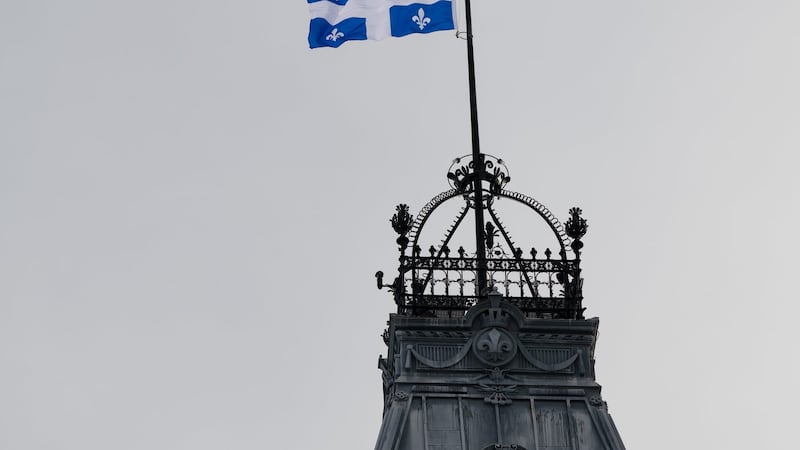
FREDERICTON — Only one of Canada’s Atlantic premiers has reacted to a landmark Supreme Court of Canada ruling about Charter rights. The country’s top court largely upheld Quebec’s Bill 21 banning public servants in positions of authority from wearing religious symbols while on the job. The historic decision provides more clarity on how provincial governments can use a section of the Constitution that allows legislatures to override Charter rights. The justices agreed that governments can use the so-called notwithstanding clause of the Constitution pre-emptively as Quebec did for the bill introducing the ban. Newfoundland and Labrador Premier Tony Wakeham says his province has never used the notwithstanding clause but recognizes the significance of the ruling. A spokesperson for New Brunswick Premier Susan Holt said she would not comment on the ruling, and representatives for the premiers of Nova Scotia and Prince Edward Island did not respond to requests. Premier Paul St-Pierre Plamondon hailed the ruling as a “good day for secularism in Quebec” but said legislators will need to read the fine print of the ruling to understand its implications. Meanwhile, Alberta Premier Danielle Smith said the Supreme Court decision confirms the notwithstanding clause is a legitimate and essential part of the Constitution. Manitoba Premier Wab Kinew in a social media post welcomed the part of the ruling that confirmed courts can still declare when Charter rights are violated by laws like Bill 21. This report by The Canadian Press was first published Nov. 27, 2026. -- With files from Erika Morris in Montreal Eli Ridder, The Canadian Press