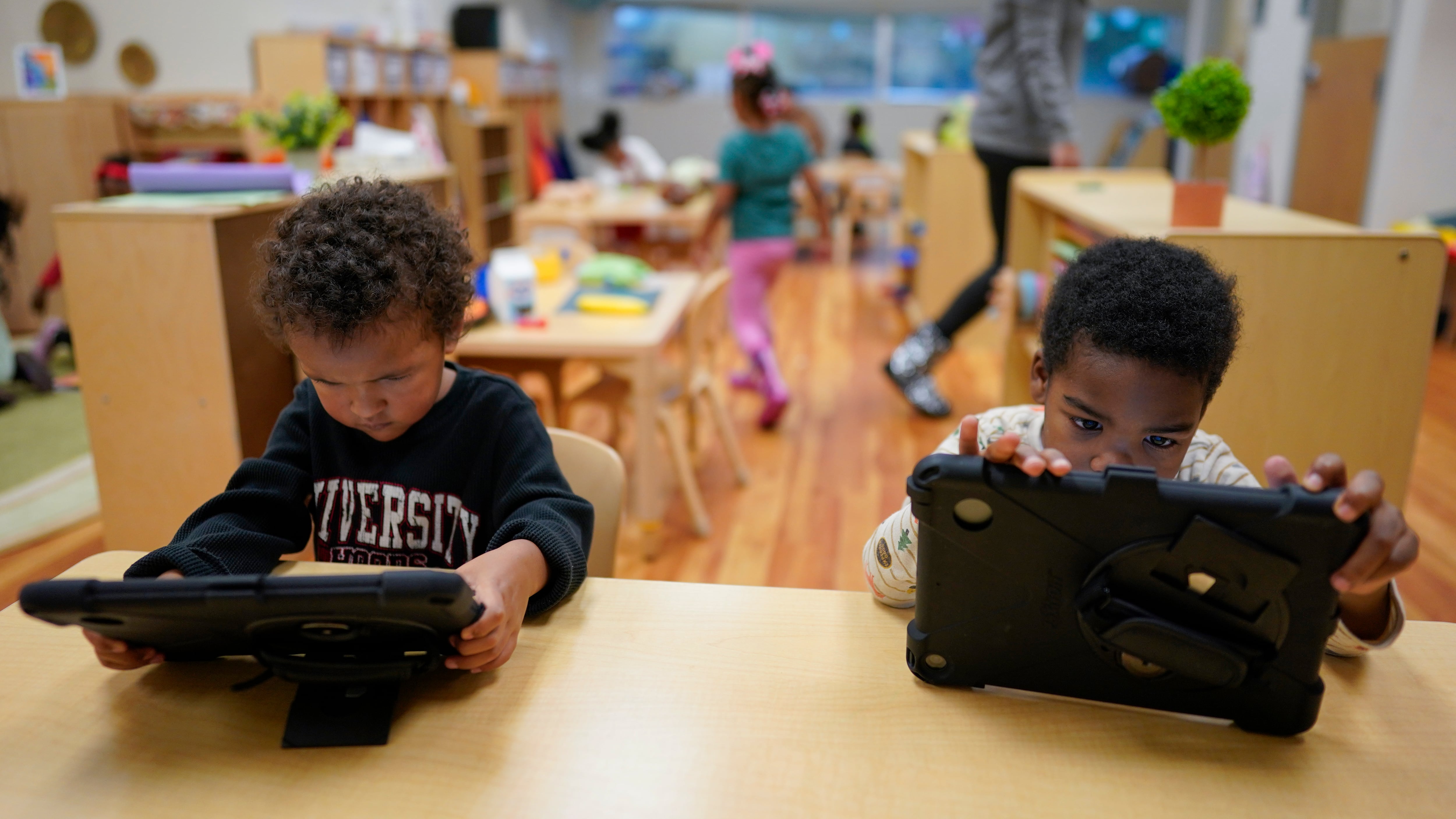
Parents are expressing concern that young children are being shown TV shows and movies at school like the wildly popular Netflix film KPop Demon Hunters. “Here is a [film] that dozens of parents have reached out to share is being shown in their kindergartner’s music class, Grade 1 drama class or at lunch because it’s so popular right now,” education consultant Rebecca Greaves told CTVNews.ca. “Just because a show is popular with many five- and six-year-olds doesn’t mean it’s appropriate for that stage of development, the current popularity of KPop Demon Hunters being a great example of that.” Greaves is the CEO of the Toronto-based educational consulting firm The Parent Advocate. When using TVs at school, Greaves says educators need to think about what’s developmentally appropriate for their students instead of just what’s popular. “I can say that when students are shown material that feels too mature, frightening or confusing, it can impact their sense of security and trust in the school environment,” Greaves said. “Just because something is widely viewed by children doesn’t mean it’s appropriate to show in a school setting.” Why age ratings aren’t always enough The 2025 Netflix film KPop Demon Hunters follows a K-pop girl group who live double lives as demon hunters. Greaves says other shows and movies that have created concerns for parents include Cocomelon, Caillou, Paw Patrol, Blippi, Peppa Pig, SpongeBob SquarePants, Wild Kratts and Disney films with scary characters. According to Greaves, it’s important for educators to look at more than just age ratings before showing things at school. “Age ratings can be vague, inconsistent across countries and in many cases not even available, especially for content found on YouTube or streaming platforms,” she said. “It’s important for educators to preview and vet any media they plan to show, ensuring it aligns with both the curriculum and the developmental readiness of the students.” Dina Lafoyiannis is a clinical and school psychologist with a private practice in Toronto. She says while age ratings can indicate inappropriate content, they don’t address themes that can be challenging for children who may be experiencing them personally. “Topics like violence, loss, financial hardship, may be even more impactful for a child that is exposed to this in their personal life and not receiving support for it,” Lafoyiannis told CTVNews.ca. “The challenge with only relying on age ratings is that you lose sight of individual needs and experiences. For example, the theme of loss, in what may be considered an age-appropriate show, might be felt more heavily by a child experiencing it at home.” Keeping parents informed Lafoyiannis says children who are temperamentally sensitive, have a propensity to worry or who experience anxiety could also have heightened reactions to conflict and certain imagery in TV shows and movies. “Some children may think about it at bedtime and have a hard time settling, some children may cling to parents more, some children can have nightmares and somatic reactions,” Lafoyiannis explained. “As a psychologist who works with many anxious children, I have seen strong reactions to a lot of content that adults see as innocuous and similar-aged children have no problem with.” Lafoyiannis says educators need to keep parents and guardians informed about what they are showing at school. “If teachers don’t know what children are experiencing, and parents are not consulted or informed about what their children are watching, the opportunity for a more negative experience is there,” Lafoyiannis said. “Furthermore, some children might need follow-up at home to talk about and process what they’ve seen – which would be challenging for parents if they are not informed about what their children are being shown.” Greaves says while anything shown to students should have a clear educational purpose and not simply be used to fill time or entertain, the issue is part of a larger problem of schools using screens to keep kids in their seats amid staffing and funding gaps. “Most of the inappropriate content I hear about being shown in schools isn’t part of classroom instruction; it’s happening during lunch or indoor recess when supervision is limited,” Greaves said. “This isn’t about poor judgment from individual educators; it’s about a system that is stretched too thin to provide the level of supervision and support students need.”