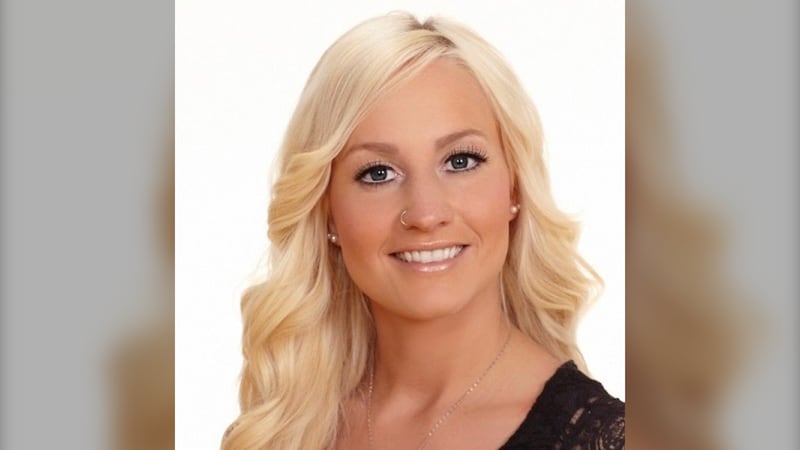
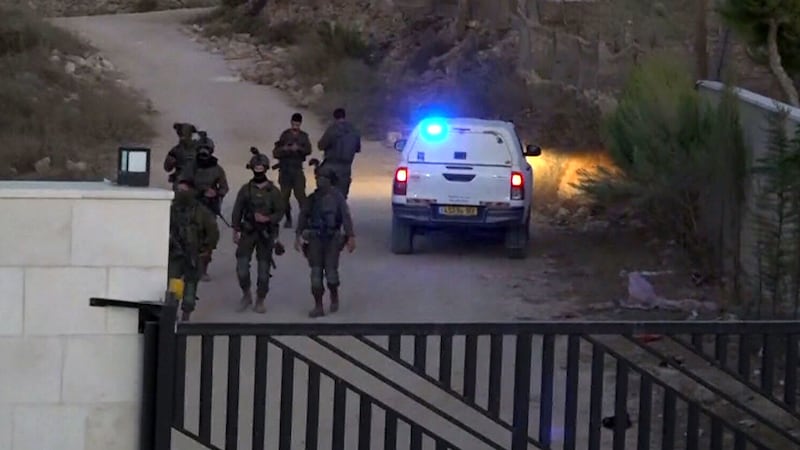
EDITOR’S NOTE – CTV News broadcast a story in October 2024 detailing an alleged sexual assault in 2014 involving eight former members of the Mississauga Steelheads and a woman who was identified as Anne Marie, her middle name. Peel Regional Police recently told Anne Marie that, while they arrested a former Ontario Hockey League player in July, they would not move forward with charges because a Crown attorney who consulted on the case believes there is no reasonable prospect of conviction. What follows is Anne Marie’s account, in her own words, of the alleged assault, her decision to go to police years later, and what happened during an investigation that at one point appeared likely to result in charges. Her story was told to TSN investigative reporter Rick Westhead and has been edited for length and clarity. Sections in bold are taken directly from her journal, which she provided. --- For most of the past three years, I thought the hardest decision I would have to make was whether I was willing to go to court. I was wrong. The hardest part was finally deciding that I was ready to fight, telling police I wanted them to go ahead, but then learning that the fight was over before it really began. Recently, detectives with Peel Regional Police told me that a former Ontario Hockey League player had been arrested in connection with my allegation that I was sexually assaulted by as many as eight Mississauga Steelheads players in the fall of 2014. Then they told me he had been released. There would be no charge. Police told me that, after reviewing the evidence and consulting with the Crown, there was not enough evidence to proceed with a prosecution. I sat there on a Zoom call trying to understand what they were saying. For months, I had believed an arrest was coming. I had been told that if I was prepared to testify, police would move forward. I had said yes. I was ready. And suddenly it was done. For legal reasons, I understand there is an enormous difference between believing somebody and having enough evidence to prove a criminal charge beyond a reasonable doubt. Police officers have repeatedly told me they believe my account. But knowing those things intellectually does not make this ending easier to understand emotionally. Because it took me years to get to yes. --- In November 2014, I was 22. I loved hockey and had developed a casual relationship with one of the Steelheads players. One night he invited me to the home where he lived during the season. He said we would watch a movie on TV with him and one of his teammates. I walked into the home, waved to the two adults who were sitting in the living room, and then walked into the basement. There weren’t two players there, however. There were eight. All of them sexually assaulted me in the basement bathroom. For years afterward, I did what I think a lot of people do with trauma. I found ways to live around it. I blamed myself. I questioned decisions I made that night. I wondered whether I somehow put myself in that position. In some ways, blaming myself was easier. If it was my fault, then there was an explanation. I could tell myself that if I had done something differently, none of it would have happened. Therapy eventually forced me to confront something much harder. It wasn’t my fault. I didn’t do anything wrong. And accepting that meant accepting something else. I had been sexually assaulted. There was no comfortable explanation for why. That was one of the lowest points of this entire experience. Strangely, admitting that it wasn’t my fault was in some ways more painful than blaming myself had been. Because once you remove yourself as the reason, you’re left with the question that may never have an answer: Why? --- I first began talking with TSN journalist Rick Westhead about what happened to me more than two years ago. I still wasn’t ready to go to police. Then the Hockey Canada case in London began changing the way I thought about all of this. I remember watching the London police news conference in February 2024, when the city’s police chief apologized to E.M. for the way her complaint had been handled and announced criminal charges against five members of Canada’s 2018 world junior hockey team. I was standing in my living room. My boyfriend was on the couch. I was biting my nails. Part of me was angry. Part of me was pleased this was happening. Mostly, I couldn’t believe it had taken so long for people to start paying attention to something that, to me, did not feel shocking or unimaginable. I thought: This stuff happens. How does everyone not know that? I had grown up around hockey players. Even as teenagers, some walked through school with an abundance of confidence, as though the rules were different for them. What struck me about the London case was that people finally weren’t letting it disappear. Journalists kept asking questions. People kept talking about hockey culture. Eventually I thought: “Maybe it’s time for me to tell my story.” --- In October 2024, CTV News and TSN reported my allegations, publicly identifying me as “Anne Marie,” my middle name. I read the reaction to the story on social media. It seemed as if a number of people supported my decision to share what had happened. I decided it was time to make a police report. I called the Ontario Provincial Police detachment closest to my home. I explained that I wanted to report a sexual assault that had happened nearly 10 years earlier. The person who answered told me I needed to contact Peel police in Mississauga, where I said the assault had occurred, and sent me on my way. I later learned that wasn’t how the call was supposed to have been handled. The OPP would later acknowledge its policy required the call-taker to connect me directly with the appropriate police service and stay on the line until they knew a report was being started. I called Peel. They told me they couldn’t help me either. An operator told me to contact the local police where I now lived. So, I did. When I made that call, I remember sitting on hold for nearly half an hour before finally hanging up. That might not sound like much. But it had taken me almost 10 years to get to the point where I was willing to make that first call. I was already questioning whether I really wanted to open all of this up again. Being passed from one police service to another made it very easy to think: Maybe this is a sign. Maybe I shouldn’t do this. I didn’t make a report that day. But then London police detective Lyndsay Ryan reached out to me after she watched my interview on CTV News, and that changed everything. Lyndsay did something that seems simple but made an enormous difference. She talked to me like a person. Before I committed to a formal police investigation, she explained what could happen. She answered questions. She didn’t pressure me. I remember telling her once that I didn’t know how to talk to cops. She told me, “That’s not your job. Nobody should know how to talk to cops.” That stuck with me. Until then, so much of my fear came from not knowing what would happen next. Movies and television give you this idea of how the justice system works, but sitting across from a detective and talking about the most painful experience of your life is different. In November 2024, I gave London police a statement that lasted roughly four hours. I stopped for breaks. I went back through details I had spent years trying not to think about. Eventually, because my assault happened in Mississauga, Peel Regional Police took over the case. That transfer mattered more than I understood at the time. With Lyndsay, I had developed trust. With Peel, I was starting over from nothing. --- In February 2025, Peel detectives interviewed me at my apartment. A month later, police interviewed a friend who I had called immediately after the alleged assault. There were more meetings and more questions. Eventually, police told me they were focused on the player who had invited me to the billet home in Mississauga. They told me they did not intend to charge any of the other players I had identified. By November 2025, Peel police told me the decision was mine. If I agreed to move forward, they would arrest and charge the player. They asked if I was prepared to go forward, knowing what a criminal trial might involve. I knew what had happened in London with the Hockey Canada trial. I knew what it could mean to have my credibility under scrutiny. And I knew I might have to sit in a courtroom and tell strangers intimate details about the worst experience of my life. Earlier in this process, that idea terrified me. But something had changed. I had spent months talking to detectives, a journalist, lawyers and my therapist. I had learned how the process worked. I had people around me who understood the system and who weren’t trying to push me toward a particular decision. I finally felt like the decision belonged to me. On Nov. 28, 2025, I emailed Peel police. I wanted to proceed. I feel like my case isn’t near the top of their case load, which I can’t even begin to imagine how much a police force that size has on their plate. It’s no one’s fault and I know that. The incident happened over 10 years ago now, there’s no physical evidence, phone records won’t have anything, or social media. There are no billet records, the Mississauga Steelheads have been gone for a while, moving to other cities with ownership changes, and bad ownership in the past. I only have a few solid names, but for now [player one] is the only one we can go after. It’s his turn to be scared. - Dec. 1, 2025. --- I thought an arrest was coming soon. At 1:51p.m., I called the correct number and got through to [Peel police officer Kaitlyn Wood.] She wanted to confirm going through with charges, roughly how that will go forward with procedures leading up to [player one’s] arrest. She said it will take roughly 2 months or so until an arrest is made having to go through all the steps prior and court waits and what not and that I will hear from her in mid-January to let me know where things are at. She said they will let me know when they are going to make an arrest, and if any other arrest follows I will be notified prior to those as well. – Dec. 2, 2025. Instead, more questions came. They asked for information about the family doctor I had seen after the alleged assault because I had shared with investigators that I underwent testing for sexually transmitted infections after the incident. They asked about the vehicle I had driven the night of my assault. They wanted more information about the house. I was asked to draw a picture of it to detail what it looked like, notable landmarks near the house, its landscaping, and its layout. I answered all of their questions because I had made my decision. I was ready. I had spent years afraid and confused. Now I had this fire in me. I was tired of being scared. I was tired of wondering. I was ready to fight. Even if nothing moves forward, I want [player one], and I want all of them to know, I remember. I remember what they did, I remember how they treated me, talked to each other and acted so normal as if this was something that has happened many, many times before. I want them to know what they did to me. I want them to feel the fear I felt that night. – Dec. 1, 2025. And then months passed and I never heard from Peel detectives. At one point, my lawyer was told an investigator was busy with another trial. In February, Peel police dropped a bombshell. They told me that one of their officers was a former Steelheads coach, which could raise questions about a conflict of interest. Why was this coming up now? Why didn’t they go over this so many months ago? They asked if I wanted to start from scratch with another police force. Starting with a new police force would have meant more interviews, many more months of waiting, more time chasing down new detectives who I didn’t know. I told Peel to move ahead. In April, police said they expected things would move forward within days or weeks. But then more time passed. This was difficult because, by this time, I had been given the impression for many months that once I said yes, the investigation was essentially at its end. Now it felt as though it had started again. I didn’t know what was happening behind the scenes. Maybe the Crown was asking for more evidence. Maybe investigators were trying to strengthen the case. I still don’t know. And that’s one of my biggest frustrations with Peel. I often felt left in the dark. Even a message saying, “We’re still working on it. We haven’t forgotten you,” would have helped. Instead, there were long stretches when I heard nothing. Then came the recent Zoom call. Police told me the player who had invited me to his billet home had recently been arrested. I hadn’t known. I was surprised because police told me they would notify me shortly before an arrest so I wouldn’t be caught off guard. I wondered where he had been when police had arrested him. Had they put handcuffs on him? What was his reaction? Did he have a wife? Did she know what had happened? Was he taken to a police station? Then came the part that really surprised me. There would be no charge. Police said they had reviewed the evidence and consulted with the Crown. They said there wasn’t enough to move forward with a prosecution. I was confused. I had thought the arrest was going to lead to a charge. Maybe things had not been explained clearly enough to me. But I remember thinking: How did we get from “We’re going forward” to “It’s over”? In the end, I was devastated. I was sitting around waiting for that message that they were moving on the arrest and when the notice would be going out to him.... I never got that message. I don’t know why, but that was a moment I had been waiting on, something for me, a win, a big win for me, to have that time to process this next step. I wanted that message, conversation so badly, but I didn’t get it in that sense... So, here we are, and I feel almost as lost and confused now as I did two years ago. I never knew I had legal options, what they were, how that would look. I never thought I would be strong enough to do civil court, let alone criminal. But through all the work I’ve done, I was ready for court, I wasn’t scared anymore, I still want to kick and scream, but now I will have to find a different path in finding my voice and strength again. – July 20, 2026. Police explained that after so many years, evidence that might once have existed was gone. Phones were gone. Messages were gone. There was no physical evidence preserved from 2014. They told me they could not force people to speak with them. But had they even tried? Besides Rick, I had also discussed my story with Robyn Doolittle, a journalist with The Globe and Mail newspaper. Robyn told me that she had contacted every player on the 2014 Steelheads team. She said none of them indicated they had any idea they were under investigation. Did Peel police really not contact any of the players? That was alarming. Peel detectives told me again something they had said before: They believed me, but they were concerned there was not enough admissible evidence to secure a conviction. I understand the distinction. I also hate it. My feelings about Peel are complicated. I don’t want to attack the people who spent time investigating my case. There were officers who treated me with compassion. They told me they would be in my corner. They told me they wouldn’t push me into a prosecution they believed would destroy me. I appreciated that. But I also believe communication could have been much better. There were periods when my lawyer and I had to chase police for updates. There were things I thought were sorted that later seemed so unsettled. After Peel police told me their investigation was done and I said I was prepared to proceed, Peel returned with more questions and asked me for more records. [My lawyer’s] thought, which I agree with, is that they didn’t think I would end up moving forward with charges if that was an option, and now they’re getting everything else together and making sure they have everything they can before moving forward. – Dec. 2, 2025. I sometimes wondered whether investigators simply expected me to say no. Maybe everyone assumed that once I understood how difficult a prosecution would be, I would decide I didn’t want to put myself through it. Instead, I said yes. That’s part of why the ending feels so strange. For years, the question was whether I was strong enough to do this. Eventually I discovered that I was. And then I didn’t get the chance. If you had shown me this version of myself three years ago, I wouldn’t have recognized her. At the beginning, I was afraid someone would reveal my name. I worried one of the players might contact me and about what people would say. I worried about court and about whether I could survive having strangers debate whether they believed me. The strange thing is that going through the process made me less afraid. Talking to people who worked in the criminal justice system helped. Therapy helped. Eventually I stopped thinking, “Can I do this?” and I started thinking, “Let’s go.” That’s why I would still do it again – even knowing how it ended. --- If another survivor asked me whether they should report to police, I wouldn’t tell them yes or no. I would tell them to find people who can help them understand their options. A therapist, if they have one. A lawyer, if they can speak with one. Maybe someone in a police sexual-assault or special-victims unit who is willing to have a conversation before a formal statement is made. Ask what happens next. Ask what control you have. Ask what police can and cannot do. For me, information took away some of the fear. And I would tell them something else: Try to surround yourself with people who won’t try to make the decision for you. Friends and family love you, but sometimes their fear becomes your fear. They want to protect you. They may tell you not to go forward because they don’t want to see you hurt. I don’t know what comes next. I have talked with my lawyers about the possibility of a civil case. That process can take years. It can be expensive. I don’t know yet whether that’s what I want. I have all this fire in me and nowhere obvious to put it, but I don’t consider the last three years a failure. The fact that no charge was laid does not erase what this process did for me. I told police what happened and I sat for hours of interviews. I went back into memories I had spent years avoiding and I learned to stop blaming myself. I decided that if there was a trial, I was prepared to walk into that courtroom and testify. That matters to me. There will probably always be questions I can’t answer about that night in 2014. There will probably always be things I wish police had done differently or sooner. And none of the players have been charged. My allegations remain allegations. But this is no longer something I carry silently. There is now a police record, there is a public record, and there is my record. For years, I thought strength would mean somehow getting over what happened and never having to talk about it again. I don’t think that anymore. For me, strength turned out to be going back to that night and saying out loud what happened. And finally being able to say: I didn’t do anything wrong. I was ready to fight. Even if the fight never made it into a courtroom. If you or someone you know is struggling with sexual assault or trauma, the following resources are available to support people in crisis: