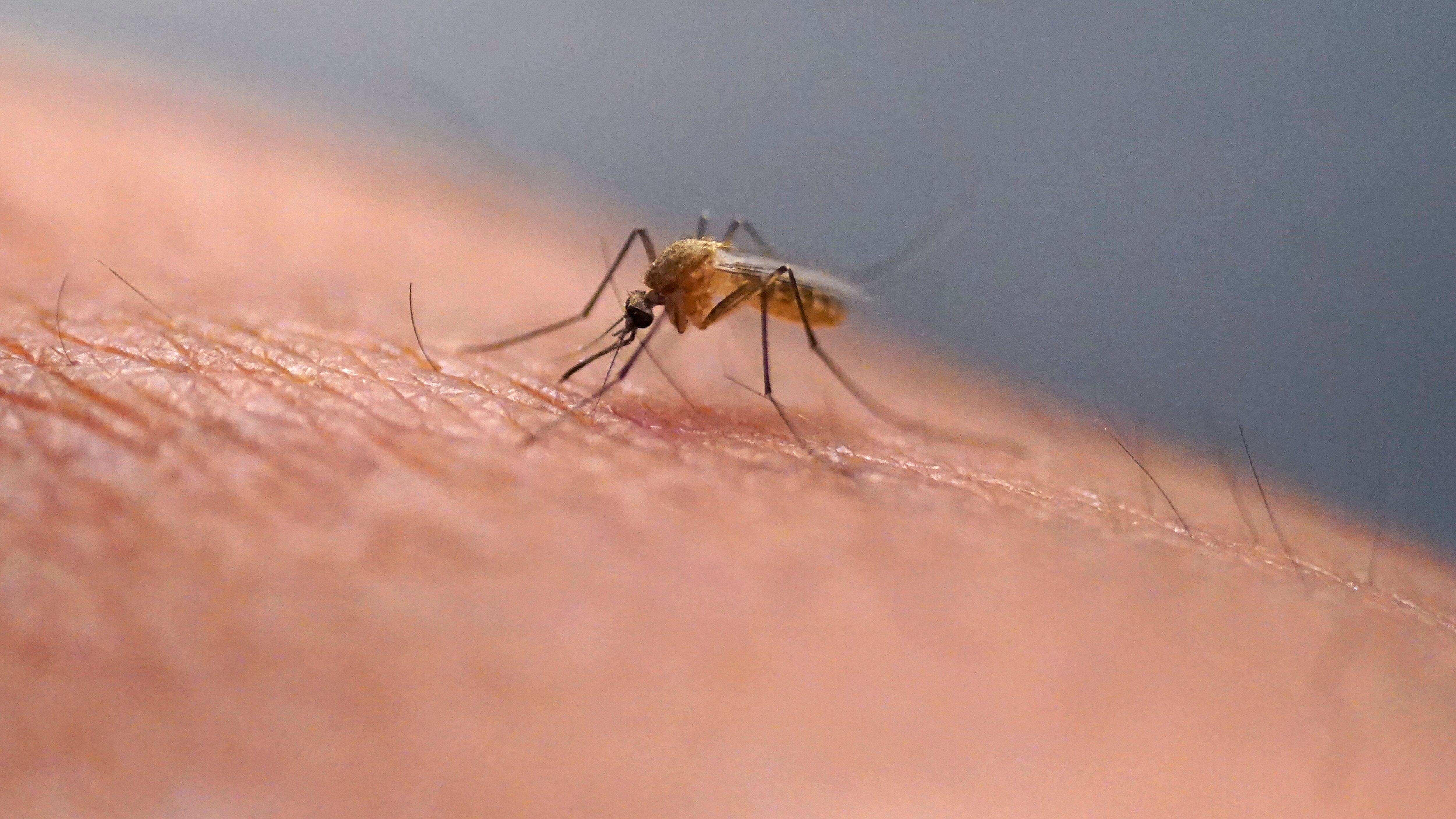
The Public Health Agency of Canada (PHAC) says a travel advisory issued for China over the viral disease chikungunya is not new. A message on an existing advisory suggested the health section of a warning to Canadians planning to visit China had been updated Tuesday. CTVNews.ca initially reported that this advisory was new, based on that message. A spokesperson reached out to CTVNews.ca Wednesday to clarify that China has appeared on the notice since August and that no changes have been made in November. “There was a formatting issue on the notice that was identified and subsequently addressed; as a result, the travel health notice now shows as having been updated on November 18,” the spokesperson said in an email. “There were no updates to the actual health content of these webpages.” She said the content of the advisory was last updated in October to add Bangladesh and Cuba as destinations reporting higher-than-expected cases and remove Bolivia, Mautritius, Mayotte and Réunion. Other updates early last month included adding and rearranging sections to make the notice more concise. Three weeks ago, an editorial update was made to remove reference to a specific vaccine brand name, PHAC said. The current guidance, in effect since October, applies to Bangladesh, China (Guangdong Province), Cuba, Madagascar, Kenya, Somalia and Sri Lanka. Chikungunya is a virus spread to humans by infected mosquitoes. Common symptoms include fever, rash, severe joint pain, fatigue, muscle pain, headache, nausea and vomiting. The notice said travellers should “prevent mosquito bites at all times” and the mosquitoes that spread chikungunya virus “bite during the day and night.” Recommended measures include using insect repellent, wearing light-coloured long clothing and sleeping under mosquito netting if accommodation is not well sealed, according to the notice. The travel notice also reminds Canadians that a chikungunya vaccine is approved in Canada. Before leaving, the federal government advises travellers to discuss vaccination options with a health-care provider, particularly for pregnant travellers or individuals over 65. “Symptoms of chikungunya can be similar to many other infections, and you can’t always tell them apart without lab tests,” the notice said. Returning travellers are also urged to monitor their health and seek medical care if symptoms develop during or after a trip. Other countries are not alone in grappling with mosquito-borne illnesses. In Cuba, a wave of mosquito-borne illnesses including dengue and chikungunya virus swept the island in recent weeks, affecting nearly one-third of the population and sickening swaths of workers. In Canada, human cases of West Nile virus with confirmed infections in Windsor-Essex, Hamilton and Ottawa was reported in the summer. The World Health Organization in July issued an urgent call for action to prevent a repeat of an epidemic of the chikungunya virus that swept the globe two decades ago, as new outbreaks linked to the Indian Ocean region spread to Europe and the Americas. With files from Reuters