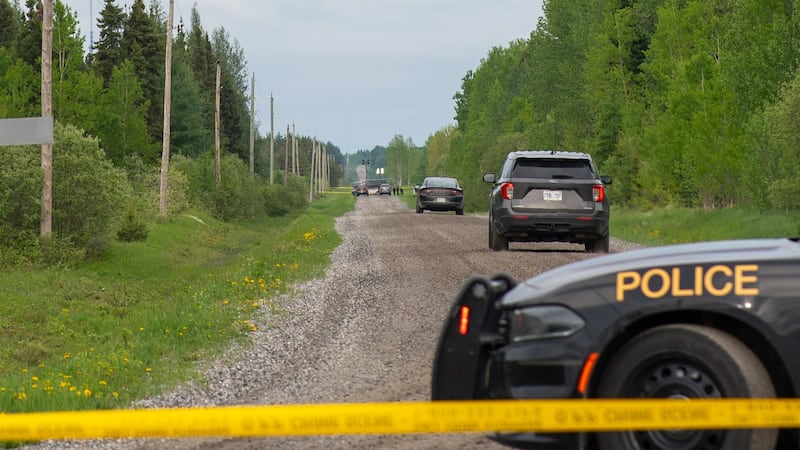
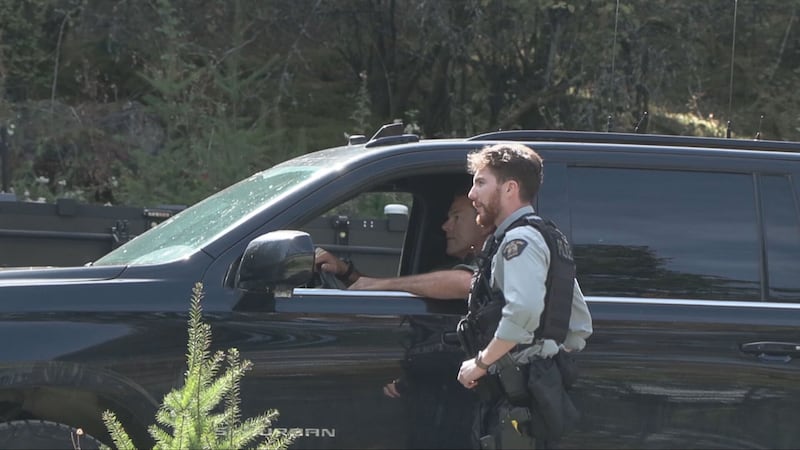
A Calgary driver was taken to hospital after he got into an argument with an e-bike rider on Wednesday evening, police say. The incident took place around 7:30 p.m. at the intersection of 36th Street and 26th Avenue S.E., when police received a report that the rider of the e-bike allegedly cut in front of the driver of the vehicle, which led to a verbal confrontation. That escalated to physical violence. “During the altercation, the rider of the e-bike fled the scene, going south on 36th Street,” read a statement from Calgary police to CTV News. “The driver of the vehicle, a 66-year-old man, remained on scene and was transported to hospital by EMS in stable condition. Police searched but were unable to locate the e-bike rider. He was described by witnesses as an Indigenous man, approximately 40 years old, wearing blue sweatpants with white stripes down the side and a black jacket. Officials add that he was not wearing a helmet. Anyone with information about this incident is asked to call police at 403-266-1234. Those wishing to remain anonymous can call Crime Stoppers at 1-800-222-8477. Managing emotions and staying safe Dr. Patrick Keelan, a registered psychologist, says emotions can escalate quickly during altercations, especially on the road. “You get into altercations in different areas of life, and that’s going to activate emotions,” said Keelan. “The key thing is how you’re going to manage those emotions in those situations.” He says preparation and mental rehearsal play a crucial role in responding calmly to conflict. “Many times, people react in an inappropriate way because they’re acting on impulse. They’re not ready for it,” he said. “The more you rehearse these situations ahead of time, anticipating them, preparing for them, practicing how you’re going to respond constructively, the more you’ll handle it better.” Keelan likens it to how athletes prepare for high-pressure moments. “In a hockey playoff game, for example, players on the other team are deliberately going to try to provoke. Well, if they take those penalties by acting impulsively, that’s going to cost their team,” he said. Managing stress outside the car can also make a difference on the road. “The more people can manage stress better, the more likely they can manage their emotions better in a specific incident, including managing anger,” Keelan said. “Practice things like relaxed breathing; practice ahead as you’re getting used to the emotions—that’ll also help to bring it down to a manageable level.” ‘Just ignore them’: Calgary driving school instructor Hassan Al-Samrae, a licensed instructor at a Calgary driving school, says education around road rage is a key part of what he teaches his students. “Road rage is actually a social phenomenon with very significant implications on society, and unfortunately, it’s increasing,” he said. Al-Samrae says the best advice he gives to drivers is to avoid escalation entirely. “At the top of my recommendations: just ignore them. Don’t even look at the aggressive driver,” he said. “Keep a distance, lock all the doors and if you find somebody stalking you, try not to go home. Go to a public place where you can find more people or witnesses.” Al-Samrae emphasizes the importance of staying calm and focused—and that even things like listening to soft music or avoiding peak traffic can help. “Try to make the environment in your car soothing,” he said. “Avoid the rush hour. If you are not able to control that, just wait until the rush hour finishes.” Al-Samrae also urges drivers to be courteous. “Courtesy is a habit,” he said. “We are sharing the road with everybody—the e-bikers, the bicycles, the pedestrians, the huge trucks. That should be kept in mind all the time.”