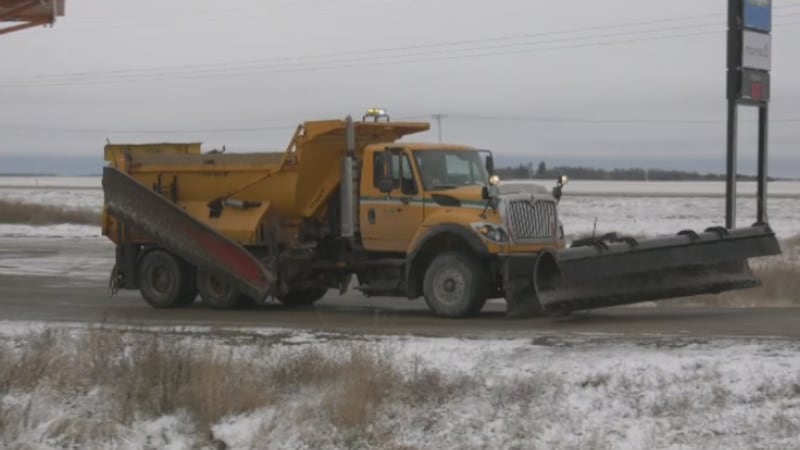
The National Oceanic and Atmospheric Administration says Georgian Bay is now almost frozen over. The combined ice coverage on Lake Huron and Georgian Bay sits at 69 per cent, well above the average of 39 per cent for this time of year. That should mean a bit of a reprieve from the endless snow squalls that have gripped the region for months, resulting in record amounts of snowfall. Barrie has already received more than 300 centimetres of snow this season. “In one week, the ice has clearly covered over the lake, and the reason for that is we had fewer, lighter winds to break up the ice. If you cut off that surface of moisture, you are going to cut down on the snow,” says Dave Phillips, Environment Canada. Environment Canada is quick to say that doesn’t mean we won’t get any more snow — just not as many local snow squalls. The region could still be affected by storms that move up from the United States. Good news for many people who have been stuck shovelling or blowing their driveways, with many quickly running out of space to put it all. “It’s pretty packed. The snow is everywhere. You can’t see over the snowbanks anymore, lots of snow,” says local Brandy Kroustallis. Many parking lots are also near capacity, and the City of Barrie says it’s running into similar issues. “We are out of capacity here at the operations centre,” says Dave Friary, City of Barrie. A plow has been compressing the snow down for weeks at the city’s work yard. It’s three times the amount of snow it would normally hold. The local landfill and a third location off McKay Road in Barrie are now being used to house all new snow loads. Barrie has tripled its snow-lift budget for the year. Clearly, more than 160 kilometres of city streets have been cleared of snow. “160 kilometres was last week, so that’s the same as driving from this location to Highway 401 and back. It’s a long way to go, so you know it’s a very slow operation, and it’s quite costly,” continues Friary. So a nice break with the sun and warmer temperatures may make an appearance but Dave Phillips with Environment Canada says don’t get used to it. Phillips says it’s going to get bitterly cold again soon and will likely stick around.