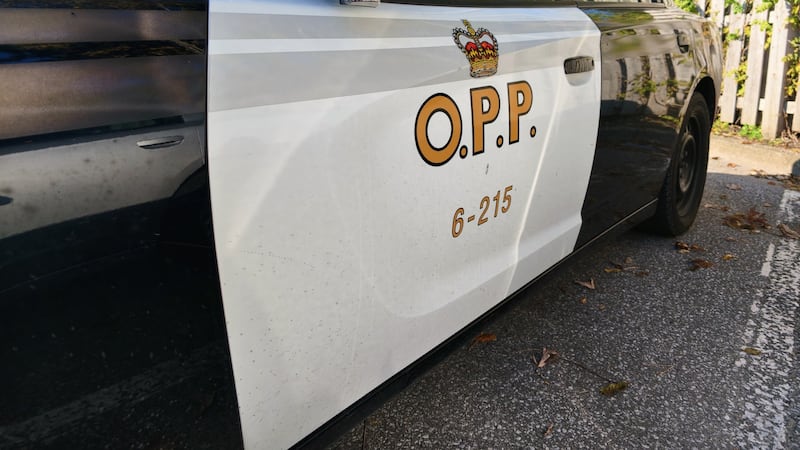
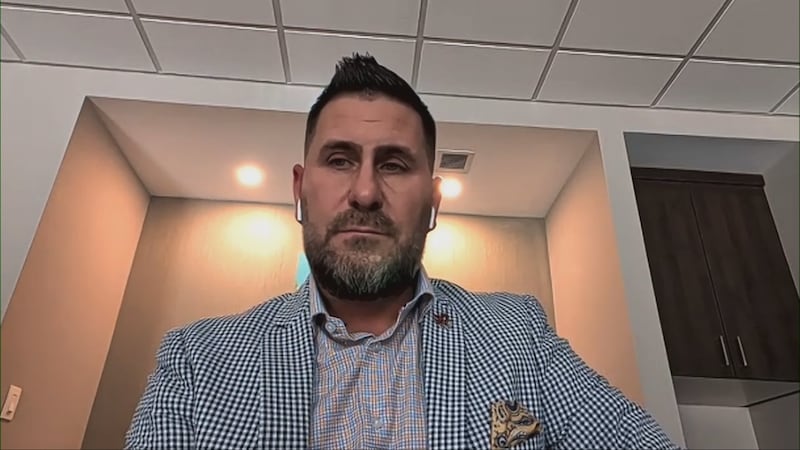
The Barrie Police Services Board has officially chimed into the conversation of involuntary addiction treatment, saying the tools currently available to law enforcement are not enough. The board’s comments come almost a month after Premier Doug Ford spoke on the topic, suggesting he would be “open” to involuntary treatment. “As long as we can help them and help the communities,” said Ford at an Sept. 10 press conference. The Barrie Police Services Board released a statement on Thursday, supporting Ford’s comments. “The Barrie Police Service Board echoes Premier Doug Ford’s recent comments regarding involuntary addiction treatment to help ensure individuals experiencing severe and complex addictions receive the care they need,” the board said. The board said Barrie police officers respond to addiction related calls on a daily basis and see firsthand the impacts of addiction on families and the community. “We keep sending police officers to the same crises, knowing that the current system does not have the tools to break the cycle,” the board said. “The Barrie Police Service Board supports continued provincial movement towards involuntary addiction treatment, with the resources needed to provide meaningful, long-term change, including for those unwilling or unable to seek help for themselves,” the board said. “The current approach is not working,” said the board. Police reaction Barrie Police were not available for comment. “The Ontario Provincial Police (OPP) is aware of the Premier’s comments regarding involuntary addiction treatment,” said Sergeant Joe Brisebois with Central Region OPP, in a statement to CTV News. “The OPP remains committed to supporting community safety and well-being, and will continue to work closely with municipalities, community partners and residents to help address addiction and mental health-related issues,” Brisebois said. “There’s 300-something police boards in Ontario, Barrie being one of them,” says Former OPP Commissioner and Public Safety Analyst for CTV News, Chris Lewis. “As a group, that carries a lot of weight, but not necessarily as one board,” he adds. “More money needs to be spent on programs and to help people get better, undoubtedly,” Lewis says, adding “but is locking them up the answer?” “Some of these people being forced into addiction programs will stop some of the petty crime that they’ve been doing, nuisance crimes in the community may be more serious at times, but at the other end, cops are going to be sitting in treatment centers trying to get people put in,” says Lewis. The board’s statement came on the same day that Barrie Mayor Alex Nuttall announced there were no remaining encampments on city property. CTV News also reached out to the Premier’s office to ask for updates on the province’s plan for involuntary treatment. The Ministry reacts The Ministry of Health replied, saying in part that HART Hubs have completed nearly 500,000 client interactions since their launch. “As part of our over $200 million Addictions Recovery Fund, we have also opened 500 new addiction treatment and recovery beds across the province,” the ministry said. “These beds are now serving over 7,000 clients each year. Our government also funds over 5,000 inpatient mental health beds in hospitals across the province, ensuring patients with mental health complications can get the care they need, where and when they need it,” the ministry added.