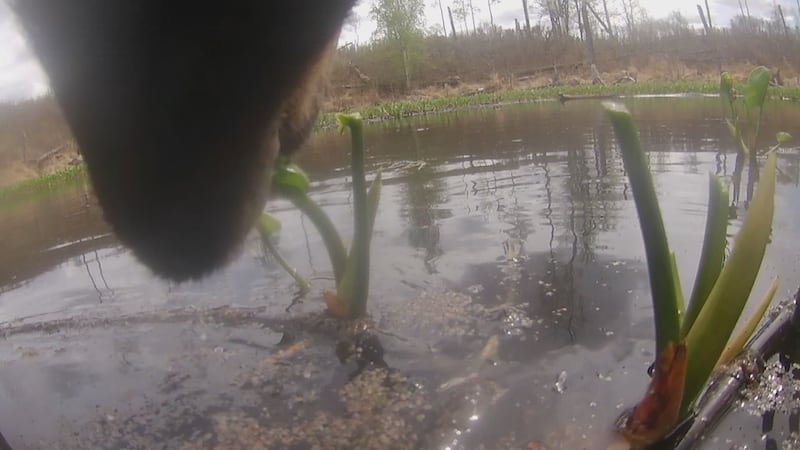
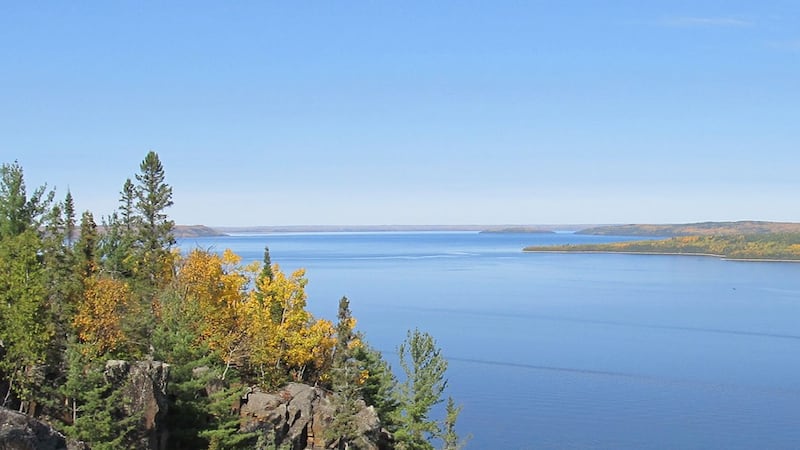
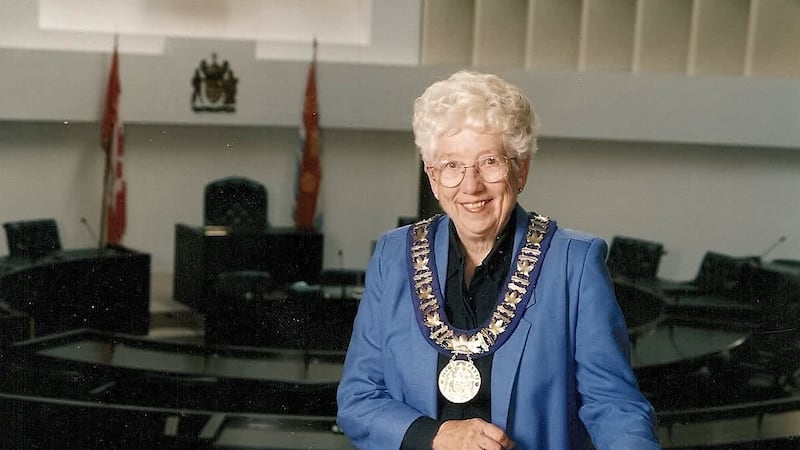
Simcoe County is one of 112 communities getting a slice of the $2-million in provincial spending going towards environmental rehabilitation. On Monday, a dog was looking for water solider; an invasive plant that grows in the shallow waters of Lake Simcoe and the Trent Severn waterway. Intact, it creates dense mats of floating vegetation that push out native plants and animals. The invasive plant can spread easily, something the invasive species centre is working to stop. “When we’re talking aquatic plants like this and any aquatic organism, it’s very easy for it to hitch a ride and go from one lake to the other,” said Lauren Rogers of the Invasive Species Centre. And now the centre has a big chunk of change to help. $2 million in spending that is part of $16 million over three years from the province to fight invasive species across Ontario. “Invasive species cost the Ontario economy $3.6 billion a year. It is a lot. It’s forced, productivity losses through pests like emerald ash borer that people might be familiar with. It’s invasive grasses like phragmites. It’s aquatic plants,” said Colin Cassin of the Invasive Species Centre. The centre doesn’t do the work alone. It teams up with local groups working to fight invasive species in their communities, like the town of Innisfil. “What we want to do is educate people, educate ourselves and educate people about water soldier and what they can do to help prevent it from growing here in Cook’s Bay, particularly and in Lake Simcoe,” said Innisfil Mayor Lynn Dollin. Not only is it bad for the plants and animals in the lake, water soldier’s leaves are serrated and can cut swimmers or people trying to handle the plant. “If we’re out there wanting to use the beautiful waters of Lake Simcoe for recreational fishing or swimming, or just getting a boat in and out of the water. Invasive species like water soldier can actually stop how we use our lake,” said Cassin. The hope is that the work done today will mean we and our kids will be able to use this lake without having to worry about these kinds of invasive species anymore.