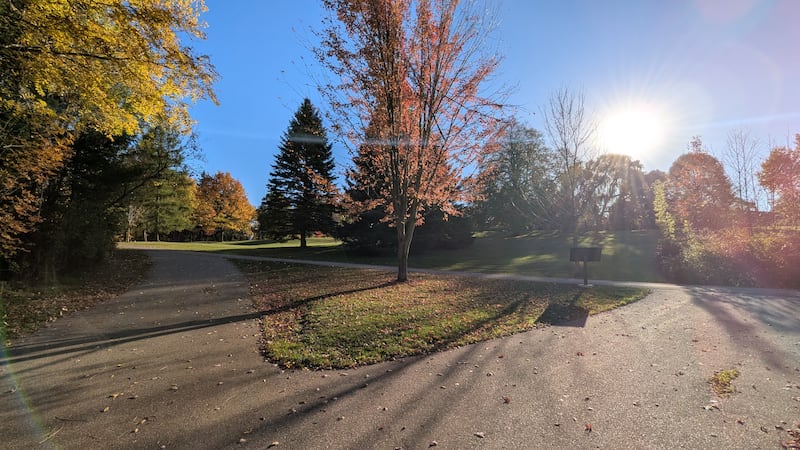
Nova Scotians have been told to “stay out of the woods” in an effort to prevent wildfires as the province faces a long stretch of dry, hot conditions. But what does that mean, exactly? Here’s what we know about the restrictions so far. What counts as the woods? According to Nova Scotia’s Forests Act, the woods includes the following: What is closed/restricted? Essentially, all travel and recreational activity – including fishing, hiking, camping and driving vehicles – in wooded areas is prohibited. Trail systems through the woods are closed. Camping is only allowed in official campgrounds. Parks that are entirely wooded are closed. Parks that are not wooded, such as greenspaces, playgrounds, sports fields and ball diamonds, are open. In parks with both wooded and non-wooded areas, the wooded areas are closed, while the non-wooded areas remain open. This includes Halifax’s Point Pleasant Park, where Sailor’s Memorial Way remains open, but trails through wooded areas are closed. In Dartmouth, the Shubie Park campground, ballfield and supervised beach remain open, but the trails, including the off-leash trail system and off-leash beach area, are closed. The province and municipalities are in the process of installing signs to impacted spaces. Residents are required to avoid wooded areas, whether or not there is signage. The closures may also affect some events and recreational programs. Provincial parks The following provincial parks are closed because they are mostly wooded: Parks Canada sites on mainland N.S. Parks Canada closed the following national sites on mainland Nova Scotia at 12 p.m. Wednesday: The following Parks Canada sites remain open: Parks Canada sites on Cape Breton Island Parks Canada has closed the following sites on Cape Breton Island: The following sites remain open: Are beaches open? Yes, beaches remain open. Beachgoers can walk through the woods if required to get to a beach, but they must avoid trail systems. Private land In an email to CTV News, the province said private landowners are technically allowed to use wooded areas on their property, but noted it’s “strongly discouraged.” “Use your best judgement,” said a spokesperson. It also said landowners are not allowed to “host others to use the wooded areas” on their property. Commercial activity The province says forestry, mining and any commercial activity on provincial Crown lands is also restricted. Anyone who conducts commercial activity on Crown land can apply for a permit at their local Department of Natural Resources office. How long are the restrictions in place? The province says the restrictions will remain in effect until Oct. 15, which is considered the end of wildfire season, or until conditions improve enough for them to be lifted. What’s the fine? The fine for violating the restrictions is $25,000. Fire ban There is also a provincewide ban on open fires, which came into effect on July 30. The burn ban applies to: Devices that don’t burn wood, like charcoal and gas barbecues, are allowed to be used during the ban. The ban will remain in effect until Oct. 15, or until conditions improve. The fine for violating the burn ban is also $25,000. Why is the province doing this? The Nova Scotia government says the restrictions are in place because “hot, dry conditions have greatly increased the risk of wildfires.” The province says most wildfires are caused by human activity, so it’s asking people to avoid the woods and not to light any campfires until we see a “significant amount of rain” and conditions improve. “I’m asking everyone to do the right thing – don’t light that campfire, stay out of the woods and protect our people and communities,” said Premier Tim Houston on Tuesday. Natural Resources Minister Tory Rushton noted the province has seen about 100 wildfires this season. He said they were all small and put out fairly quickly, but that “could change in a heartbeat in these dry conditions.” “Don’t look for loopholes. If you have to ask your question ‘should I or could I?’ – the approach is probably don’t do it,” said Rushton on Tuesday. People with questions about the restrictions can call their local Department of Natural Resources office. For more Nova Scotia news, visit our dedicated provincial page