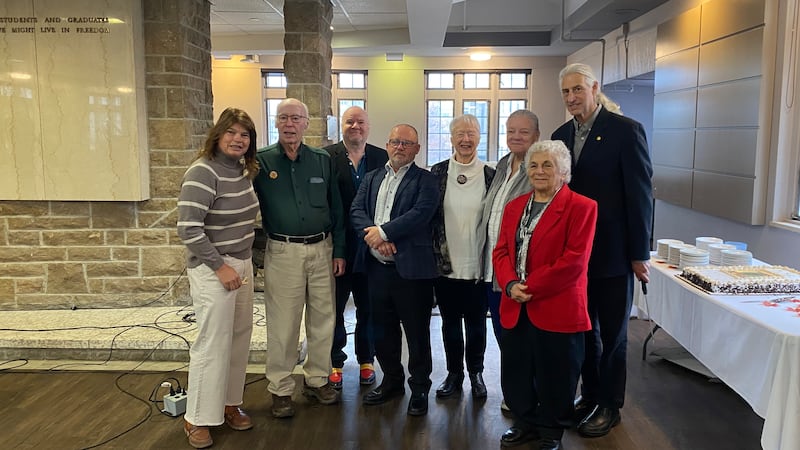
A gathering in Dartmouth, N.S., over the weekend brought community members, scholars, and leaders together to reflect on the significance of Emancipation Day, which falls on Aug. 1. The Dartmouth Heritage Museum hosted an “Emancipation Day Social,” which featured a panel of guest speakers and open discussions about the legacy of slavery, the history of Black communities in Nova Scotia, and the ongoing fight for racial equity. Aug. 1, 1834, marks the day the Slavery Abolition Act came into effect across the British Empire, formally ending slavery in most British colonies — including Canada. Among the speakers was Canadian Sen. Wanda Thomas Bernard, a longtime advocate for African Nova Scotian communities. She said Emancipation Day is not only a moment to honour the past, but also a call to action. “What’s really important at this juncture of our history is that we own all of our history,” she said. “And when we own all of our history, it means owning the fact that some of our ancestors were enslaved. And it’s also owning the fact that our ancestors were never compensated for that brutal enslavement.” Bernard added that events like these are key in bridging the past and present, especially for communities like North Preston, East Preston and Cherry Brook, which were founded by descendants of Black Loyalists and people who were enslaved. “It’s an opportunity for people to come together to talk about the history of the Preston Township, its relationship with the City of Dartmouth,” she said. “It’s a time for us to reflect on the past, but it’s also time for us to sort of consider what are some of the things that are happening right now, and how do we best prepare for the future?” Organizers say this year’s gathering was focused not only on commemoration, but also on ongoing conversations about systemic change, community empowerment, and reclaiming historical narratives that have long been left out. For more Nova Scotia news, visit our dedicated provincial page